When considering cosmetic dental procedures, it's essential to understand all your options. Dental bonding is a popular choice for those looking to enhance their smile without invasive treatments or a hefty price tag. In this guide, we'll delve into the world of dental bonding, exploring its process, cost, longevity, and how it blends seamlessly with your natural teeth.
What is Dental Bonding and How Much Does It Cost?
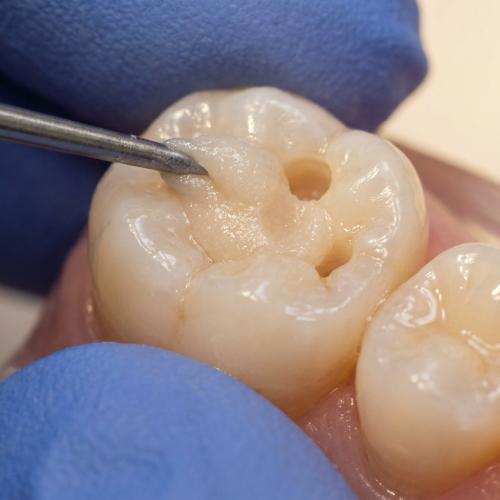
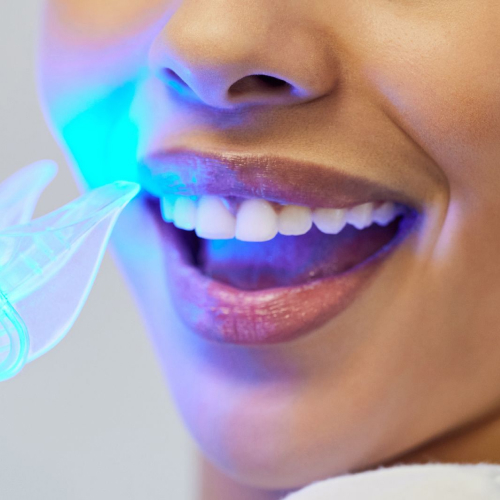
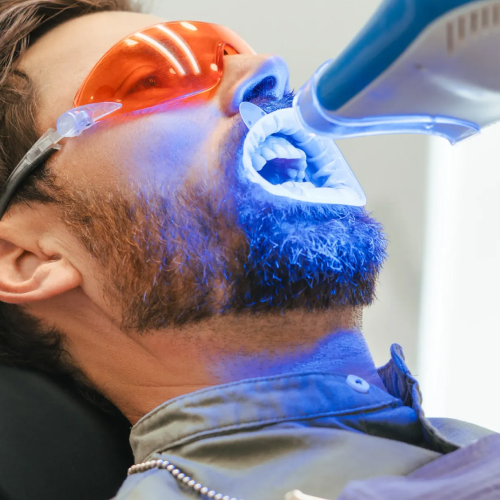
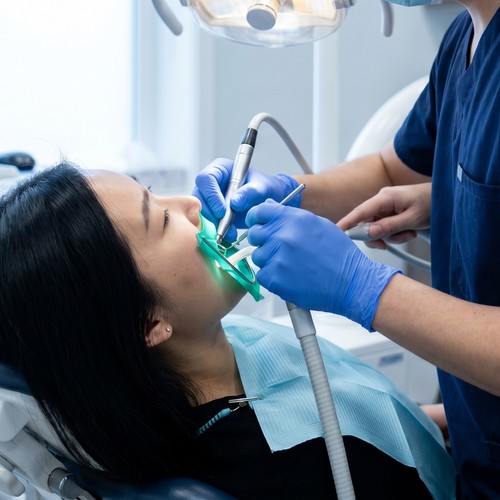
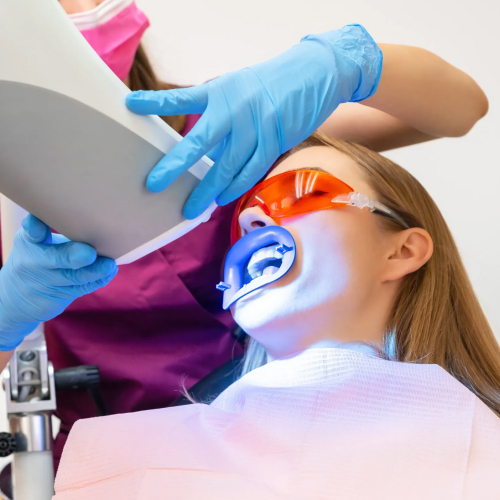
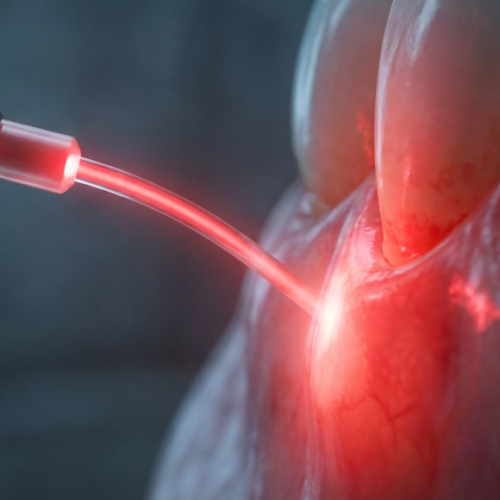
Dental bonding, a cornerstone of cosmetic dentistry, offers a versatile solution for various dental imperfections. This procedure involves the application of a tooth-colored resin material to the teeth. This resin is carefully sculpted onto the tooth's surface, where it covers any imperfections or damages. The process begins with a mild etching solution applied to the teeth, creating a slightly rough surface for the bonding material to adhere to. This is followed by the application of the resin, which is meticulously shaped to achieve the desired appearance. The material is then hardened using a special ultraviolet light, permanently bonding it to the tooth's surface. The final step involves polishing the bonded area, ensuring that it blends seamlessly with the rest of the tooth, providing a natural and aesthetically pleasing result.
The primary appeal of dental bonding lies in its versatility. It's an excellent choice for correcting discolored teeth, repairing chips or cracks, closing small gaps between teeth, and even altering the shape or length of teeth. It's a particularly appealing option for those seeking a quick and non-invasive method to enhance their smile.
When it comes to cost, dental bonding is considered one of the most affordable cosmetic dental procedures. The cost can vary widely based on factors such as geographic location, the expertise of the dentist, the specific requirements of the procedure, and the number of teeth involved. On average, the price is significantly more budget-friendly compared to alternatives like veneers or crowns. However, it's crucial to remember that the cost can increase if the procedure is more complex or if additional treatments are needed.
It's also important to note that most dental insurance plans categorize bonding as a cosmetic procedure and may not cover the costs. However, if the bonding is required for structural reasons, like repairing a decayed tooth, insurance may partially cover it. Therefore, it's advisable to discuss the specifics with your dental insurance provider and your dentist to understand the coverage and out-of-pocket costs. Many dental offices also offer payment plans or financing options, making the procedure accessible to a wider range of patients.
In summary, dental bonding is a cost-effective, versatile, and minimally invasive way to enhance your smile. Whether you're looking to fix a minor imperfection or seeking a significant cosmetic change, dental bonding offers a tailored solution that combines aesthetics with affordability.
How Long Does Dental Bonding Last?
Dental bonding is celebrated for its simplicity and effectiveness, but like any dental procedure, its longevity is a key consideration for patients. The durability of dental bonding is influenced by a variety of factors, making it a solution that can last anywhere from 3 to 10 years. Understanding these factors can help patients maximize the lifespan of their bonded teeth.
Firstly, the amount of bonding done plays a crucial role. When larger portions of a tooth are bonded, the restoration may face more stress from daily activities like biting and chewing. Smaller bonded areas typically endure less stress and may last longer.
Your oral habits are another significant determinant of the longevity of dental bonding. Practices like biting nails, chewing on pens, or opening packages with your teeth can place undue stress on the bonded material, leading to cracks or chips. Similarly, habits such as grinding or clenching your teeth (bruxism) can also shorten the lifespan of dental bonding. In such cases, your dentist might recommend wearing a night guard to protect your teeth.
The type of food and drink you consume can also affect the bonded teeth. Foods and beverages that are high in acid, such as citrus fruits and carbonated drinks, can wear down the resin material over time. Likewise, consuming foods and drinks that stain, like coffee, tea, and red wine, can discolor the bonding resin, making it stand out from your natural teeth.
The location of the bonding on your teeth also plays a role in its durability. Bondings on the front teeth, which are not used for heavy chewing, tend to last longer than those on the back teeth, which endure more force and wear from chewing.
Good oral hygiene practices are essential in extending the life of dental bonding. This includes regular brushing and flossing to prevent plaque buildup, which can lead to decay around the bonded area. Routine dental check-ups and cleanings are also critical, as your dentist can monitor the condition of the bonding and address any issues before they become major problems.
It's also worth noting that while dental bonding is durable, it's not as strong as natural teeth or other restorative procedures like crowns or veneers. Over time, the material can become worn or chipped, requiring touch-ups or replacement.
Does Bonding Look Natural?
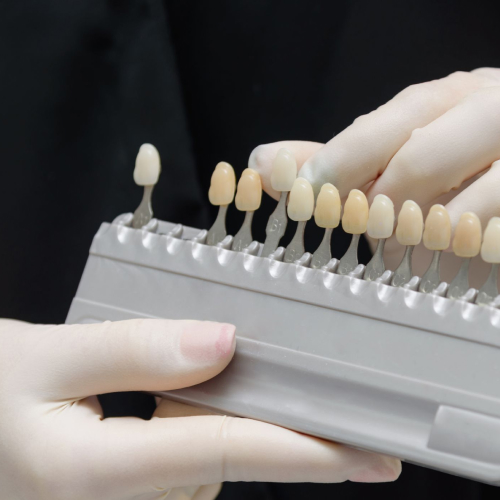
One of the most appealing aspects of dental bonding is its ability to blend in seamlessly with your natural teeth. The resin used in dental bonding comes in various shades that can be matched perfectly to your natural tooth color. This ensures that the bonded area is indistinguishable from your surrounding teeth. Additionally, the bonding material can be sculpted and polished to match the texture and shine of your natural teeth, creating a smooth, natural-looking finish.
In Conclusion
Dental bonding is an effective, affordable, and aesthetically pleasing option for anyone looking to enhance their smile. Whether you're dealing with chips, gaps, or discoloration, bonding provides a simple solution that can dramatically improve your smile's appearance.
At Bellflower Dental Group, we’re committed to helping you achieve the smile of your dreams. Our team of experienced professionals is here to guide you through every step of the process, ensuring results that not only look natural but also stand the test of time. Ready to transform your smile? Contact us today to schedule your dental bonding appointment and take the first step towards a more confident, radiant smile.