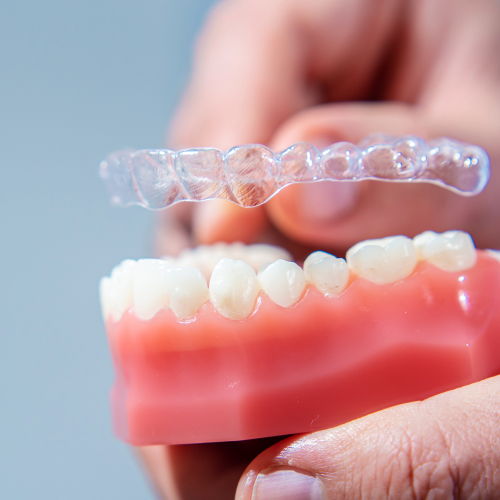
Why Your Invisalign Trays Aren't Fitting Right — and What to Do About It
Struggling with Invisalign gaps or tracking issues in Bellflower? Learn what's normal, what's not, and when refinements may help. Call us today.
Read More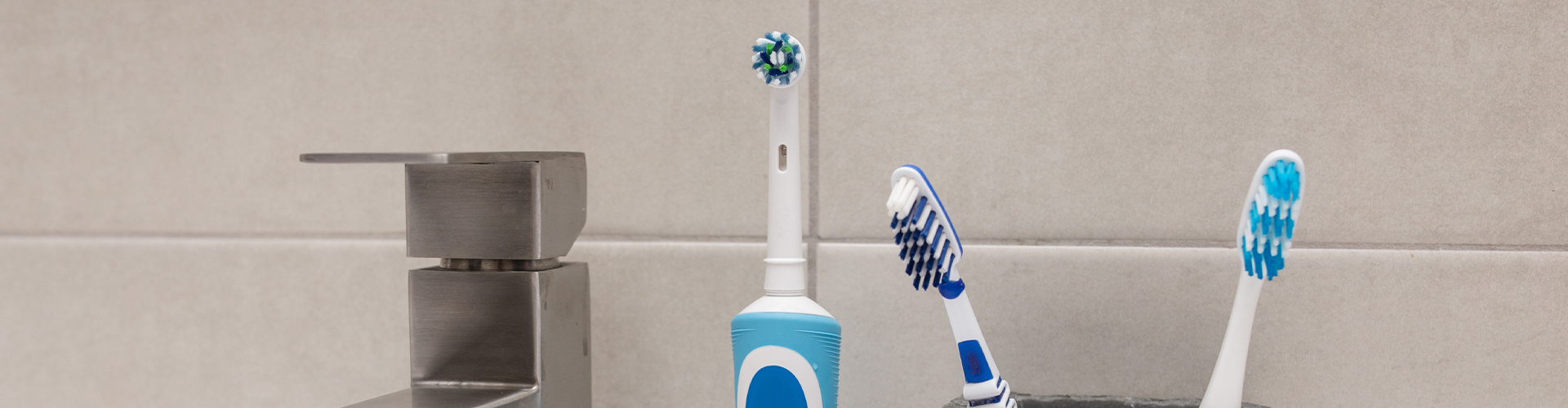
When it comes to daily oral care, most people fall into one of two camps: the classic manual toothbrush crowd or the modern electric toothbrush enthusiasts. Both promise clean teeth and fresh breath, but is one truly better than the other? Let’s dive into the details and settle this debate with a closer look at plaque, gum health, and whether the extra cost is worth it.
Plaque is the sticky film that builds up after you eat or drink, and it’s the main culprit behind cavities and bad breath. Removing it thoroughly and consistently is one of the biggest factors in keeping your smile healthy.
The real takeaway? Technology helps, but consistency and technique matter just as much. If you’re careful with your brushing routine, a manual toothbrush can be just as effective.
Healthy gums are just as important as cavity-free teeth. Gum disease often starts quietly with mild bleeding or swelling, and many people don’t notice it until it has progressed. Left unchecked, gingivitis can turn into periodontitis, a more serious condition that can damage the bone supporting your teeth. That’s why preventing gum problems before they start is just as critical as keeping plaque and cavities at bay.
Electric toothbrushes appear to have an edge in gum care. Multiple studies suggest that patients who switch from a manual brush to an electric one, especially models with oscillating-rotating heads, see measurable improvements in gum health within a few months. These brushes are designed to maintain steady, rapid movements that target the gumline, sweeping away the plaque and bacteria that often trigger inflammation. For people who tend to brush in a rushed or uneven way, the built-in consistency of an electric brush can make a noticeable difference.
They can also be gentler than you think. Many people assume that electric brushes are “too powerful” and might irritate gums, but the opposite is often true. Because the brush does the work for you, most users apply less pressure overall. Some advanced models even come with pressure sensors that stop the brush if you press too hard, helping prevent recession or gum abrasion caused by overbrushing. This makes electric options particularly useful for patients with sensitive gums or those recovering from dental treatments.
That doesn’t mean manual brushes fall short. When used properly, a manual toothbrush can protect gum health just as effectively. The challenge is in the technique. Harsh scrubbing or brushing side-to-side can irritate gum tissue, while gentle circular motions along the gumline clean effectively without causing damage. The problem isn’t the tool, it’s how consistently and carefully it’s used. Patients who are disciplined with their technique often achieve excellent results with a simple manual brush.
Consider lifestyle and personal habits. If you’re someone who brushes carefully for the full two minutes and sees good results at your checkups, sticking with a manual brush may be just fine. On the other hand, if you’ve been told you brush too aggressively, or if your gums bleed often during brushing, an electric brush might provide a helpful safeguard. It can act as a built-in reminder to slow down and let the brush handle the work.
The bottom line: electric toothbrushes may offer a slight advantage for gum health, especially for patients who struggle with technique or have a history of gingivitis. But gum health ultimately comes down to consistency. Whichever brush you choose, the most important thing is regular, gentle brushing paired with flossing and professional dental visits.
One of the biggest differences between electric and manual toothbrushes is the price tag.
Ultimately, the best toothbrush is the one you’ll use twice a day, every day, with proper technique. For some, that’s an electric brush with all the bells and whistles. For others, it’s the simplicity of a manual toothbrush that keeps them on track.
There’s no one-size-fits-all answer to the electric vs manual debate. Electric toothbrushes can make brushing easier, improve gum health, and boost consistency, but manual brushes are still highly effective when used properly. Your choice depends on your lifestyle, habits, and budget.
If you’re unsure which option is best for you, we’re here to help. At Bellflower Dental Group, we want to make sure your brushing routine truly protects your smile for years to come.
Schedule an appointment today and let us help you find the best path to healthier teeth and gums.
Fresh news from the dental world...




Mon - Fri 9AM - 6PM
Saturday 9AM - 3PM
Sunday Closed
Check out what our patients are saying in Bellflower, CA...


“Great customer service!”
Great customer service and attentive staff! My 3 year old enjoyed his visit! Yes, I said he enjoyed it! He had to have X-rays done, and I was so worried that he wasn't gonna be a happy camper but the X-ray tech, Dominique, is so good with kids! The X-rays were fast and painless! Overall a great experience!

“Surpasses my expectations!”
Amazing staff! My experience at Bellflower Dental Group was outstanding. I highly recommend this dental group. I come to them for my braces, their ortho is incredible, the highlight of this dental group. The staff is amazing, their employees are so kind and take the time to perfect your braces.

“I love this dental office!”
I have been coming here for years. It is a one-stop-shop! You can get your x-rays, cleaning, braces, labs, dentures, toothbrushes, and more all right here. The staff is great, and they try to work with you if you need a payment plan. Never had any issues with any of the work done here!
“Great customer service!”
Great customer service and attentive staff! My 3 year old enjoyed his visit! Yes, I said he enjoyed it! He had to have X-rays done, and I was so worried that he wasn't gonna be a happy camper but the X-ray tech, Dominique, is so good with kids! The X-rays were fast and painless! Overall a great experience!
“Surpasses my expectations!”
Amazing staff! My experience at Bellflower Dental Group was outstanding. I highly recommend this dental group. I come to them for my braces, their ortho is incredible, the highlight of this dental group. The staff is amazing, their employees are so kind and take the time to perfect your braces.
Check out our accreditations, sources, and relationships in the wide world of dentistry...


Check us out and follow our Bellflower, CA practice on social media...


