Maintaining oral health is crucial, but understanding when to see a periodontist versus a general dentist can be confusing. This guide will clarify their roles, especially regarding gum disease treatment.
How Long Can You Live with Gum Disease?
Gum disease, if left untreated, can lead to severe complications. Initially, you might not notice significant symptoms, but over time, it can cause tooth loss, receding gums, and even impact overall health by increasing the risk of heart disease and diabetes.
Gum disease typically progresses through several stages. In the early stage, known as gingivitis, symptoms might include red, swollen gums that bleed easily during brushing or flossing. Many people ignore these signs, thinking they are normal or not severe. However, without proper dental care, gingivitis can advance to periodontitis.
Periodontitis is a more serious form of gum disease that can lead to the destruction of the bone and connective tissue supporting your teeth. As the disease progresses, you might experience more noticeable symptoms such as persistent bad breath, a bad taste in your mouth, and loose teeth. The gums might recede, forming pockets between the teeth and gums that can become infected.
Living with untreated gum disease can have long-term consequences. Research has shown a connection between periodontal disease and systemic health issues, including cardiovascular disease, stroke, and diabetes. This is due to the inflammation and bacteria associated with gum disease, which can enter the bloodstream and affect other parts of the body.
The timeline for the progression of gum disease varies from person to person, depending on factors such as genetics, oral hygiene practices, and lifestyle choices like smoking or diet. Some people might experience rapid progression, while others might have a slower decline in oral health. Regardless of the pace, the sooner gum disease is treated, the better the prognosis. Regular dental check-ups and cleanings are essential in catching gum disease early and preventing its progression.
Ignoring gum disease is not a viable option. The potential for tooth loss, chronic pain, and significant health issues makes early detection and treatment imperative. Therefore, prioritizing regular visits to your dentist can save you from more severe health problems in the future.
Can a General Dentist Treat Gum Disease?
Yes, general dentists can treat early stages of gum disease, known as gingivitis. They perform routine cleanings, scaling, and root planing to remove plaque and tartar buildup. Here’s a closer look at what these treatments involve:
-
Routine Cleanings: Regular dental cleanings are essential for maintaining oral health and preventing gum disease. During these cleanings, a dental hygienist removes plaque and tartar from above and below the gum line. This helps prevent the onset of gingivitis and keeps your gums healthy.
-
Scaling and Root Planing: If gum disease has already begun to develop, a general dentist might recommend scaling and root planing. This deep-cleaning procedure involves removing plaque and tartar from the surface of the teeth and the roots. Scaling removes these deposits above and below the gum line, while root planing smooths the root surfaces, helping the gums reattach to the teeth. This process reduces gum inflammation and prevents further progression of the disease.
In addition to these treatments, general dentists also provide valuable education on proper oral hygiene practices to help prevent gum disease. They might recommend specific brushing and flossing techniques, as well as antibacterial mouth rinses to reduce the bacterial load in the mouth.
However, if the condition progresses to periodontitis, a more severe form of gum disease, the treatment becomes more complex. Periodontitis involves deeper infections that can affect the bone and tissue supporting the teeth. In such cases, general dentists might refer patients to a periodontist, who specializes in treating complex periodontal issues. Periodontists have advanced training in managing severe gum disease, performing surgical procedures if necessary, and addressing issues such as gum recession, bone loss, and dental implants.
While general dentists are well-equipped to handle the early stages of gum disease, recognizing the limits of their treatment capabilities is crucial for ensuring optimal patient care. Collaboration between general dentists and periodontists ensures that patients receive the most effective treatment for their specific condition, whether it involves routine preventive care or specialized periodontal procedures.
When Should You See a Periodontist?
If you experience symptoms like persistent bad breath, loose teeth, or deep pockets between your teeth and gums, it’s time to see a periodontist. These specialists have advanced training in diagnosing and treating severe gum disease, performing surgical procedures if necessary, and placing dental implants.
Periodontists are trained to address a wide range of complex periodontal conditions. Here are some specific scenarios that warrant a visit to a periodontist:
- Advanced Periodontitis: When gum disease has progressed beyond gingivitis and has caused significant damage to the supporting structures of the teeth, a periodontist is needed. They can perform advanced treatments like flap surgery, bone grafting, and guided tissue regeneration to restore oral health.
- Gum Recession: If your gums are receding, exposing the roots of your teeth, a periodontist can perform grafting procedures to cover the exposed roots, reduce sensitivity, and improve the appearance of your smile.
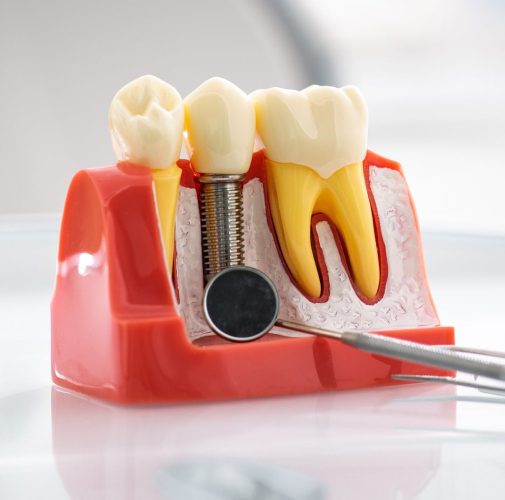
- Dental Implants: Periodontists are experts in placing dental implants, which are used to replace missing teeth. They have specialized knowledge in ensuring the implants integrate properly with the bone and function like natural teeth.
- Persistent Inflammation: If you have persistent gum inflammation that doesn’t improve with standard treatments, a periodontist can identify underlying issues and provide targeted therapies to address the problem.
- Bone Loss: Significant bone loss around your teeth can lead to tooth mobility and loss. Periodontists can perform bone grafts and other procedures to regenerate lost bone and stabilize your teeth.
- Complex Medical Histories: Patients with complex medical conditions, such as diabetes or heart disease, may require specialized periodontal care. Periodontists can coordinate with your healthcare providers to ensure your oral health treatment aligns with your overall health needs.
Seeing a periodontist at the right time can prevent further complications and save your teeth. Early intervention and specialized care are key to maintaining a healthy, functional smile.
Conclusion
Understanding the differences between a general dentist and a periodontist ensures you receive the appropriate care for your oral health needs. Regular check-ups with your general dentist can prevent and manage early gum disease, while a periodontist can address more advanced cases. Don’t wait until it’s too late—schedule an appointment today to keep your gums and teeth healthy for a lifetime.