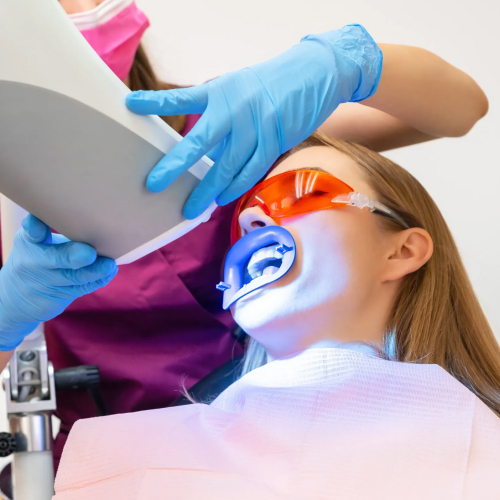
What Actually Works for At-Home Teeth Whitening (And What Can Backfire)
Want a brighter smile? Learn which at-home teeth whitening kits and strips actually work and which can damage your enamel. Read our expert dental guide today!
Read More
Orthodontic treatment is an essential part of pediatric dentistry that helps guide the growth of your child's teeth and jaws. Whether it's correcting misaligned teeth or addressing bite issues, early orthodontic care can make a significant difference in your child's oral health. But what exactly does orthodontic treatment involve, and how can a pediatric dentist help?
Orthodontic treatment is a broad field that encompasses much more than just braces. It involves various procedures designed to correct a wide range of dental and jaw irregularities. These issues can impact not only the appearance of your child’s smile but also their overall oral health, function, and even self-confidence. Orthodontic treatment addresses problems such as overcrowded or misaligned teeth, improper jaw alignment, and bite issues like overbites, underbites, and crossbites.
When it comes to kids, early orthodontic intervention is often key to preventing more serious dental problems down the road. By identifying and treating these issues early, your child’s dentist can guide the growth of the teeth and jaw, ensuring a healthier and more functional smile in adulthood.
Common orthodontic treatments for children include:
Braces: Braces are perhaps the most well-known orthodontic treatment. They consist of metal or ceramic brackets attached to the teeth and connected by wires. Braces work by applying steady, gentle pressure to move teeth into their correct positions over time. They are effective in treating a variety of issues, including crooked teeth, gaps, and bite problems.
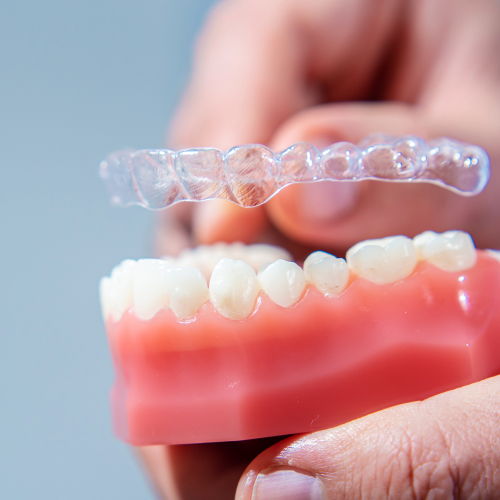
Retainers: After braces are removed, retainers play a crucial role in maintaining the new alignment of your child’s teeth. These devices are custom-made to fit your child's mouth and are usually worn at night. Retainers prevent teeth from shifting back to their original positions, ensuring the success of the orthodontic treatment.
Space Maintainers: When a baby tooth is lost prematurely, it’s important to maintain the space for the incoming permanent tooth. Space maintainers are small devices that hold this space open until the permanent tooth is ready to emerge. Without them, neighboring teeth might shift into the space, leading to crowding and alignment issues.
Jaw Expanders: Jaw expanders are used to widen the upper jaw, particularly when there isn’t enough space for all of your child’s teeth to come in properly. This device is particularly effective in younger children, as their bones are still growing and more malleable. By expanding the jaw, the orthodontist can create the necessary space to prevent overcrowding and promote proper alignment.
Headgear: In some cases, headgear might be recommended to correct severe bite issues. This external appliance is usually worn partially outside the mouth and helps guide the growth of the jaw, correcting misalignments that could cause functional problems if left untreated.
Each of these treatments plays a vital role in the broader scope of orthodontic care. They not only improve the aesthetics of your child's smile but also enhance their ability to chew, speak, and maintain proper oral hygiene. Addressing these issues early with the appropriate orthodontic treatment can prevent complications such as tooth decay, gum disease, and even jaw pain in the future.
Orthodontic treatment with braces is a journey that unfolds over several stages, each carefully designed to move your child's teeth into their ideal positions. Understanding these stages not only helps you and your child prepare for what’s ahead but also makes the process more manageable and less daunting. Here’s a more detailed look at each stage of the braces journey:
1. Initial Consultation
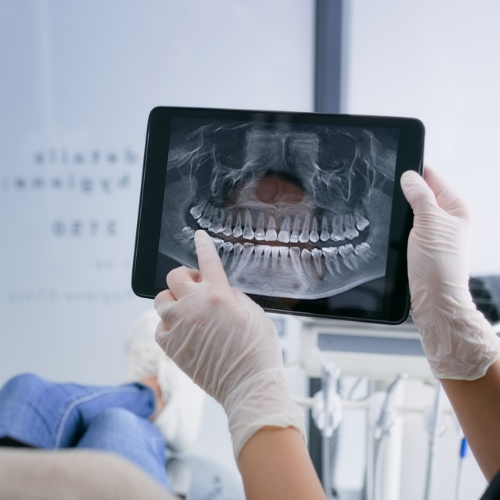
The first step in the braces process is the initial consultation with an orthodontist. During this appointment, the orthodontist will conduct a thorough examination of your child’s teeth, jaws, and overall facial structure. This may include taking X-rays, photographs, and impressions of the teeth. These diagnostic tools provide a comprehensive view of your child's dental condition, allowing the orthodontist to identify any alignment issues, such as crowding, gaps, or bite problems.
Based on this assessment, the orthodontist will develop a customized treatment plan tailored to your child’s specific needs. This plan will outline the type of braces recommended, the expected duration of treatment, and any additional appliances that may be needed. The consultation is also an excellent opportunity for you and your child to ask questions, discuss concerns, and gain a clear understanding of the road ahead.
2. Appliance Placement
The next stage is the placement of the orthodontic appliances, which typically includes the application of braces. Braces consist of small brackets that are bonded to the teeth and connected by a wire. Depending on your child’s needs, these brackets may be made of metal, ceramic, or other materials. In some cases, other appliances like spacers or bands might be used to create the necessary space for proper alignment.
During this visit, the orthodontist carefully positions each bracket on the teeth to ensure that they are precisely aligned. The process is painless, though your child may feel some pressure as the brackets are bonded to the teeth. Once the brackets are in place, the orthodontist will thread the archwire through them and secure it with tiny elastic bands. This wire is what gradually moves the teeth into the correct positions over time.
3. Active Treatment
The active treatment phase is the longest and most involved stage of the braces process. During this period, the braces are doing their job—slowly and steadily moving your child's teeth into the desired positions. This stage requires regular visits to the orthodontist, usually every 4 to 8 weeks, for adjustments.
During these adjustment appointments, the orthodontist will tighten the wire or replace it with a new one to continue guiding the teeth into alignment. These adjustments are crucial for ensuring that the treatment progresses as planned. Your child may experience some discomfort after each adjustment as the teeth begin to shift, but this is normal and typically subsides after a few days.
In some cases, additional appliances like rubber bands, springs, or headgear may be introduced during this phase to correct specific bite issues or to fine-tune the alignment. The active treatment phase can last anywhere from several months to a few years, depending on the complexity of the case and how well your child follows the orthodontist’s instructions, such as wearing rubber bands consistently.
4. Retention
The final stage of orthodontic treatment is the retention phase. After the braces are removed, your child's teeth will need time to settle into their new positions and stabilize. This is where retainers come into play. Retainers are custom-made devices that help maintain the alignment achieved by the braces, preventing the teeth from shifting back to their original positions.
There are different types of retainers, including removable ones made of plastic and wire, and fixed ones that are bonded to the back of the teeth. Your orthodontist will recommend the best type of retainer for your child’s needs. It’s important to follow the orthodontist’s instructions regarding retainer wear, as this phase is critical to the long-term success of the treatment.
The retention phase typically lasts for several years, with the most intensive period being the first few months after the braces are removed. Over time, your child may be able to wear the retainer less frequently, but in some cases, lifelong retainer use is recommended to ensure that the teeth remain in their correct positions.
Pediatric dentists are specialized in treating children's dental issues, but they typically do not perform surgery. Their focus is on preventive care and non-invasive treatments. However, they work closely with orthodontists and oral surgeons if your child needs more advanced procedures, such as:
Your pediatric dentist will guide you through any necessary procedures, ensuring that your child receives comprehensive care tailored to their needs.
Orthodontic treatment is a vital part of your child's dental health, setting the foundation for a beautiful smile and proper oral function. If you're considering orthodontic treatment for your child, there's no better time than now to start. Our experienced team is here to provide expert care and answer any questions you may have. Schedule an appointment today and take the first step towards a healthier, happier smile for your child!
Fresh news from the dental world...



Mon - Fri 9AM - 6PM
Saturday 9AM - 3PM
Sunday Closed
Check out what our patients are saying in Bellflower, CA...


“I love this dental office!”
I have been coming here for years. It is a one-stop-shop! You can get your x-rays, cleaning, braces, labs, dentures, toothbrushes, and more all right here. The staff is great, and they try to work with you if you need a payment plan. Never had any issues with any of the work done here!

“Surpasses my expectations!”
Amazing staff! My experience at Bellflower Dental Group was outstanding. I highly recommend this dental group. I come to them for my braces, their ortho is incredible, the highlight of this dental group. The staff is amazing, their employees are so kind and take the time to perfect your braces.

“Great customer service!”
Great customer service and attentive staff! My 3 year old enjoyed his visit! Yes, I said he enjoyed it! He had to have X-rays done, and I was so worried that he wasn't gonna be a happy camper but the X-ray tech, Dominique, is so good with kids! The X-rays were fast and painless! Overall a great experience!
“I love this dental office!”
I have been coming here for years. It is a one-stop-shop! You can get your x-rays, cleaning, braces, labs, dentures, toothbrushes, and more all right here. The staff is great, and they try to work with you if you need a payment plan. Never had any issues with any of the work done here!
“Surpasses my expectations!”
Amazing staff! My experience at Bellflower Dental Group was outstanding. I highly recommend this dental group. I come to them for my braces, their ortho is incredible, the highlight of this dental group. The staff is amazing, their employees are so kind and take the time to perfect your braces.
Check out our accreditations, sources, and relationships in the wide world of dentistry...


Check us out and follow our Bellflower, CA practice on social media...


