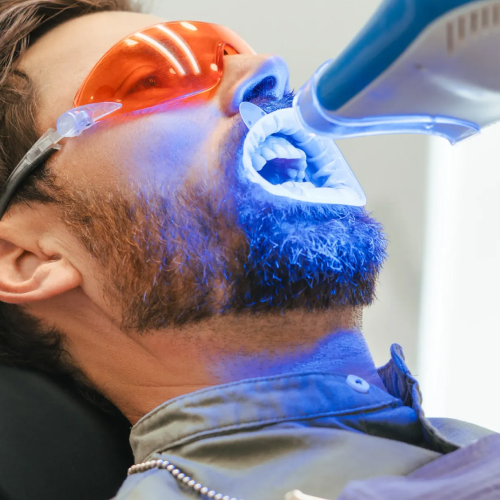
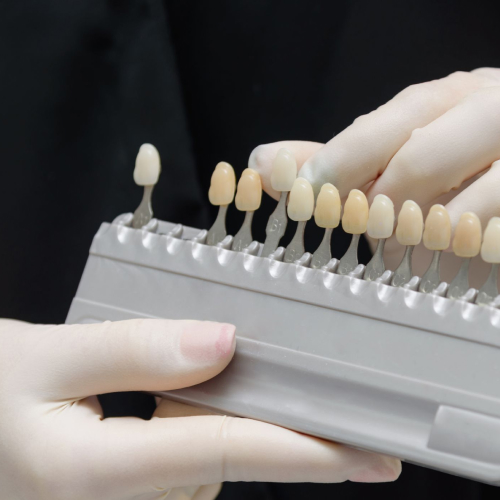
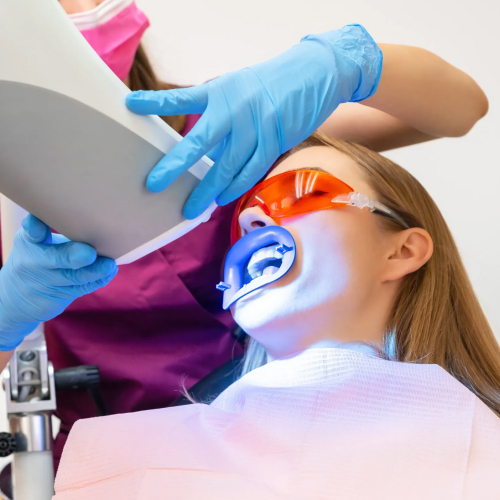
How Long Does Professional Teeth Whitening Actually Take to Work?
Bellflower patients: how long professional teeth whitening actually takes to work, why results vary by patient, and when you'll see shade changes. Book today.
Read More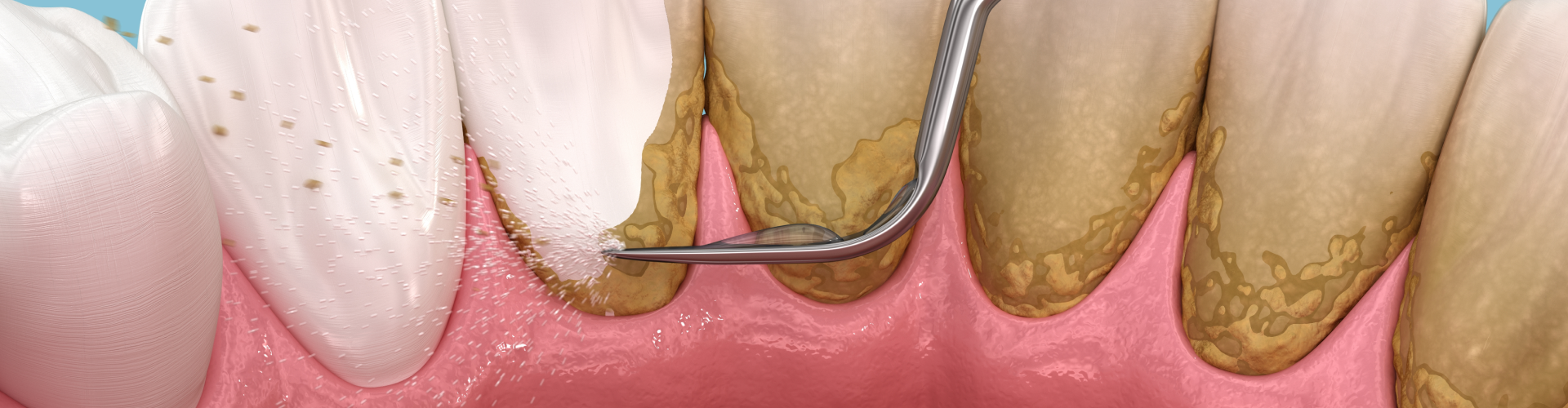
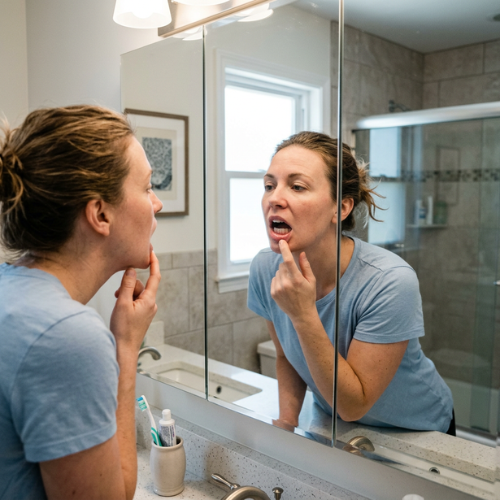
Most people notice their teeth before they notice their gums. It makes sense, your teeth do all the smiling, biting, and chewing. But your gums? They quietly do their job in the background. Until, of course, they start bleeding, swelling, or pulling away from your teeth. That’s when they start getting your attention.
If your gums are red, sore, or bleed when you brush, it’s not just a sign you need to floss more. It could be the early warning signs of periodontal disease, something that affects nearly half of adults over the age of 30. And yet, it often goes unnoticed until it's caused real damage.
Let’s talk about what periodontal disease really is, what causes it, and why treating it sooner rather than later makes a big difference.
At its core, periodontal disease is a bacterial infection. It starts when plaque, a sticky film full of bacteria, builds up on your teeth and hardens into tartar. Brushing and flossing can remove plaque, but once it hardens into tartar, only a dental professional can remove it.
This buildup irritates the gums, leading to inflammation. That’s the first stage of periodontal disease: gingivitis. At this point, your gums may bleed easily and appear red or puffy, but the damage is still reversible. Left untreated, though, things can escalate.
As bacteria spread below the gumline, they trigger a more intense immune response. Your body, in an effort to fight infection, starts breaking down the very tissues and bone that support your teeth. That’s when gingivitis becomes periodontitis, and it’s no longer just a gum issue. It’s a full-blown oral health concern.
There are also factors that increase your risk, even if you brush and floss regularly. These include:
So even if you have a good oral care routine, you could still be at risk, and catching it early is key.
Periodontal disease isn’t just a problem for your mouth, it can impact your overall health, too.
Let’s start with the local effects. As the disease progresses, the gums begin to pull away from the teeth, forming pockets where bacteria thrive. These pockets get deeper, the infection worsens, and the bone that supports your teeth begins to break down.
This can lead to:
But that’s not all. Research has linked periodontal disease to several serious health conditions, including:
In short, untreated gum disease doesn’t stay in your mouth. It’s a systemic issue that can have widespread consequences. The good news? Most of this is preventable.
That depends on when you catch it.
If you're still in the early stages, gingivitis, then yes, it’s reversible. With a professional cleaning and better at-home oral care, your gums can heal completely. This is why regular checkups matter so much. Dentists can spot early signs of gum disease before you even notice anything is wrong.
Once the disease progresses to periodontitis, things get more complicated. At that point, the damage isn’t reversible, but it can be managed. With proper treatment, you can stop the disease from getting worse and protect the rest of your oral health.
Here’s how treatment typically works:
1. Deep cleaning (Scaling and Root Planing): This involves removing tartar from above and below the gumline, then smoothing out the root surfaces to help gums reattach. You may need multiple visits depending on how severe the disease is.
2. Medications: Sometimes your dentist may use antimicrobial mouth rinses or antibiotics placed directly into the gum pockets to reduce bacteria.
3. Ongoing maintenance: Periodontal disease doesn’t go away completely. Instead, it goes into remission. You’ll need more frequent cleanings (typically every 3–4 months) to keep the infection at bay.
4. Surgery (in advanced cases): If deep pockets remain even after other treatments, your dentist may recommend surgical options like flap surgery or bone grafts to restore support to your teeth.
The key takeaway? The earlier you act, the less invasive and costly the treatment will be, and the more of your natural smile you get to keep.
Preventing periodontal disease isn’t complicated, but it does take consistency. Here’s what we recommend to our patients:
Sometimes people avoid the dentist because they’re worried about hearing bad news. But honestly, catching gum disease early is the best kind of news. It means we can treat it, preserve your smile, and help you avoid more serious problems down the road.
If it’s been a while since your last checkup or you’re noticing changes in your gums, don’t wait. Periodontal disease moves quietly but quickly. At Bellflower Dental Group, we’re here to help you catch it early and treat it thoroughly, with care that’s comfortable, customized, and judgment-free.
Schedule your appointment today and let’s keep your smile strong from the roots up.
Fresh news from the dental world...



Mon - Fri 9AM - 6PM
Saturday 9AM - 3PM
Sunday Closed
Check out what our patients are saying in Bellflower, CA...


“Great customer service!”
Great customer service and attentive staff! My 3 year old enjoyed his visit! Yes, I said he enjoyed it! He had to have X-rays done, and I was so worried that he wasn't gonna be a happy camper but the X-ray tech, Dominique, is so good with kids! The X-rays were fast and painless! Overall a great experience!

“Surpasses my expectations!”
Amazing staff! My experience at Bellflower Dental Group was outstanding. I highly recommend this dental group. I come to them for my braces, their ortho is incredible, the highlight of this dental group. The staff is amazing, their employees are so kind and take the time to perfect your braces.

“I love this dental office!”
I have been coming here for years. It is a one-stop-shop! You can get your x-rays, cleaning, braces, labs, dentures, toothbrushes, and more all right here. The staff is great, and they try to work with you if you need a payment plan. Never had any issues with any of the work done here!
“Great customer service!”
Great customer service and attentive staff! My 3 year old enjoyed his visit! Yes, I said he enjoyed it! He had to have X-rays done, and I was so worried that he wasn't gonna be a happy camper but the X-ray tech, Dominique, is so good with kids! The X-rays were fast and painless! Overall a great experience!
“Surpasses my expectations!”
Amazing staff! My experience at Bellflower Dental Group was outstanding. I highly recommend this dental group. I come to them for my braces, their ortho is incredible, the highlight of this dental group. The staff is amazing, their employees are so kind and take the time to perfect your braces.
Check out our accreditations, sources, and relationships in the wide world of dentistry...


Check us out and follow our Bellflower, CA practice on social media...


