Losing a tooth isn’t something that usually happens overnight. In most cases, your mouth tries to warn you long before a tooth actually falls out. But those signals are often subtle at first. A little wiggle here, a bit of bleeding there, and it’s easy to brush it off as nothing serious.
Until it is.
Tooth loss in adults is incredibly common, but it’s not inevitable. The good news? Early detection can make all the difference. If you can recognize the signs early, your dentist can often step in with a solution that keeps your smile intact.
Let’s talk about the top three signs that something could be brewing beneath the surface—and why ignoring them might cost you a tooth.
What are the early signs that I'm going to lose a tooth?
Tooth loss rarely starts with pain. In fact, one of the most dangerous things about it is that it can creep up silently. But your body usually whispers before it screams. Here are some of the earliest red flags.
1. Your Tooth Feels Loose:
We’re not talking about the dramatic, hanging-by-a-thread kind of loose. At first, it might just feel a little “off.” Maybe it shifts ever so slightly when you bite or wiggles if you push on it with your tongue. You might dismiss it as your imagination or assume it’s just temporary.
But here’s the deal: adult teeth aren’t supposed to move at all. If one of yours does, it’s often a sign that the bone and gum tissue supporting it are weakening. That’s a big deal.
Why it happens:
- Periodontal disease: the number one cause of adult tooth loss, silently attacking your gums and jawbone
- Trauma or grinding: clenching your teeth can loosen them over time
- Bone loss from missing teeth: a domino effect where one lost tooth can destabilize others
Even minor tooth mobility deserves attention. Left unchecked, it can progress quickly.
2. Your Bite Feels Different:
Sometimes your teeth are telling you something without making a sound. You might notice that your bite feels different when you chew. Maybe your top and bottom teeth don’t line up like they used to. Or one side of your mouth feels a little awkward when you eat.
That subtle shift? It’s not just annoying. It can be an early sign that your teeth are moving due to bone loss.
As the jawbone deteriorates (often due to gum disease), it no longer holds your teeth as firmly. This can cause the teeth to drift out of position, which then messes with your bite.
Pay attention to:
- Sudden changes in how your teeth fit together
- Clicking or popping in the jaw joint
- Teeth that feel higher or lower than before
Don’t chalk it up to aging. It’s your mouth trying to flag a deeper issue.
3. Receding Gums:
Your gums should hug your teeth like a snug turtleneck—not slowly slide away like a loose scarf. Gum recession may not seem like a big deal at first, but it’s often a warning that the foundation of your tooth is under threat.
Exposed roots are more than just a cosmetic issue. They signal that the protective gum tissue is pulling back, often because of inflammation or infection. That leaves the tooth more vulnerable to sensitivity, decay, and eventually, mobility.
Causes of gum recession include:
- Periodontal disease (again, the top culprit)
- Aggressive brushing
- Teeth grinding
- Poorly fitting dental work
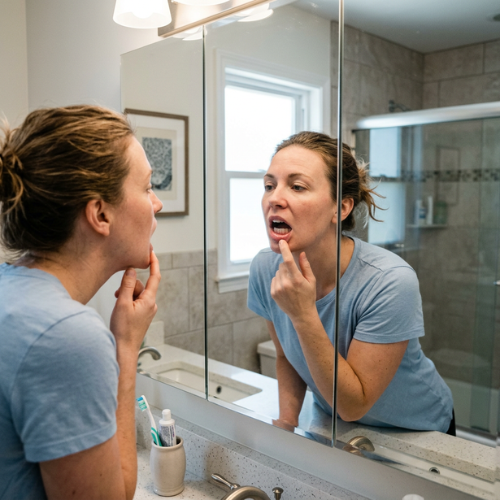
You might notice your teeth look longer than before or that there’s a notch near the gumline. These aren’t just aesthetic changes. They’re early cries for help.
Can bleeding gums lead to tooth loss?
Bleeding gums are one of the most overlooked symptoms in dentistry. Most people think a little blood during brushing or flossing is normal.
It’s not.
In fact, bleeding gums are often the first sign of gingivitis, the early stage of gum disease. If left untreated, that inflammation can progress into periodontitis, where the infection spreads deeper and begins to destroy the supporting bone and tissue.
Here’s how it escalates:
- Gingivitis: your gums are red, swollen, and bleed easily but the bone is still intact.
- Early periodontitis: inflammation starts damaging the bone.
- Moderate to advanced periodontitis: bone loss leads to loose teeth and eventually, tooth loss.
Symptoms to watch for:
- Gums that bleed when you brush or floss
- Bad breath that won’t go away
- A metallic taste in your mouth
- Gums that are pulling away from the teeth
You wouldn’t ignore bleeding from your eye or ear. So why ignore your gums?
If you catch gum disease early, it’s reversible. But if you wait, it can turn into a chronic condition that slowly eats away at your smile.
Is a loose tooth always a sign of serious gum disease?
Not always, but it’s a possibility you should take seriously.
There are a few reasons an adult tooth might feel loose, and not all of them involve gum disease. However, in most cases, a loose tooth is the result of compromised support structures, which need urgent attention.
Other possible causes include:
- Trauma: a fall or impact can damage the ligaments around a tooth
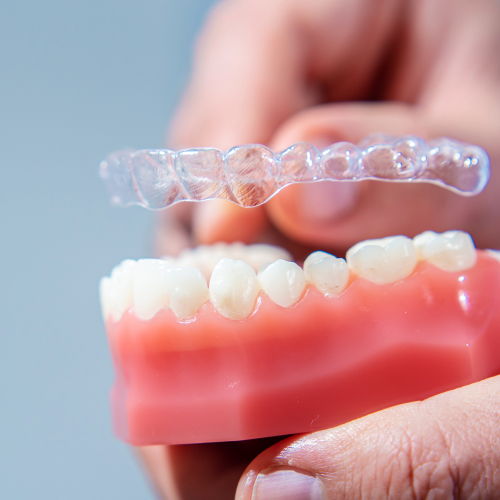
- Orthodontic movement: braces or aligners can temporarily cause minor looseness
- Bruxism (teeth grinding): chronic grinding or clenching can gradually wear down ligaments and bone
- Pregnancy-related hormones: in rare cases, hormones can affect gum tissues and cause slight tooth mobility
Still, periodontal disease is the most common reason adult teeth become mobile. It breaks down the gum and bone support system, leading to instability and eventual tooth loss if untreated.
The takeaway? A wiggly tooth is always a sign that something needs to be checked. It might not be serious yet, but it won’t fix itself. Early intervention is your best defense.
What You Can Do Today
Spotting one or more of these signs doesn’t mean tooth loss is inevitable. But it does mean it’s time to take action. Here’s what we recommend:
1. Schedule a Professional Evaluation:
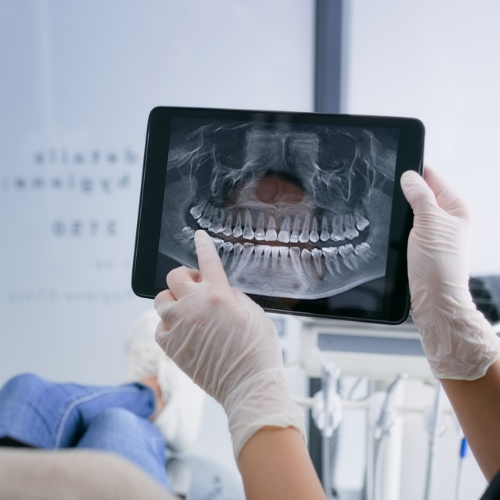
Even if you’re not in pain, let a dentist take a look. At Bellflower Dental Group, we use advanced diagnostic tools to check your gums, bone levels, and tooth stability.
A clinical exam and dental x-rays can reveal a lot more than what’s visible in the mirror.
2. Get a Personalized Treatment Plan"
If we catch things early, the solution might be as simple as a deep cleaning and improved oral hygiene at home. If things have progressed, we can recommend options like:
- Scaling and root planing
- Gum therapy
- Bone grafts
- Tooth splinting
- Night guards to prevent grinding
Every mouth is different. You deserve a plan that’s tailored to you.
3. Stay Consistent with Home Care:
Floss daily. Brush twice a day with a soft-bristled brush. Use a toothpaste that supports gum health. Rinse with an antimicrobial mouthwash.
And most importantly, keep your regular dental checkups. Prevention is powerful.
The Bottom Line
Your teeth are meant to last a lifetime. If your mouth is trying to tell you something, listen early rather than later. Subtle symptoms can become serious problems if ignored, but most dental issues are treatable when caught early.
Whether you’re noticing bleeding gums, a change in your bite, or a tooth that feels slightly loose, don’t wait.
Book your appointment with Bellflower Dental Group today. We’re here to help you keep your smile strong and healthy for years to come.