When most people think about going to the dentist, they picture routine checkups, cleanings, or perhaps getting a cavity filled. But there is a special branch of dentistry that steps in when problems run deeper than the surface. That is where endodontists come in. These specialists are like the behind-the-scenes heroes of dentistry. Their mission is simple yet profound: to save natural teeth whenever possible.
At Bellflower Dental Group, our endodontic team focuses on diagnosing and treating problems that occur inside the tooth. Instead of removing a tooth at the first sign of trouble, an endodontist works to preserve it. This kind of care can relieve pain, restore function, and keep your natural smile intact for many years to come.
Endodontics is often associated with root canal therapy, but there is far more to the field than just that one procedure. To truly understand the role of an endodontist, it helps to take a closer look at the types of treatments they offer, what sets them apart, and why specialized care can make all the difference.
What procedures does an endodontist perform?
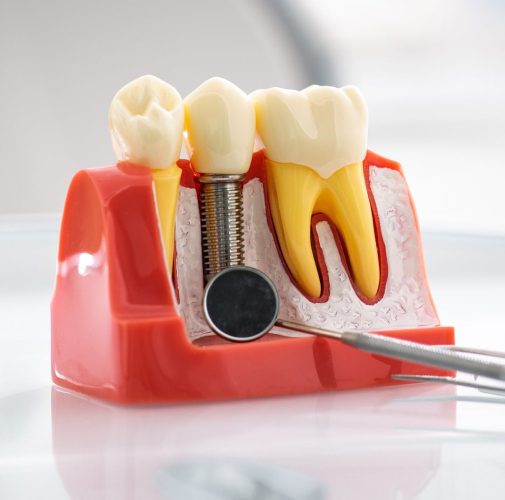
Endodontists perform procedures that treat issues inside the tooth, most commonly the dental pulp and root tissues. The most well-known procedure is root canal therapy. However, their scope of work also includes more advanced treatments like endodontic retreatment, root end surgeries, and treatments for traumatic dental injuries.
The primary goal of these procedures is to save the natural tooth. Root canal therapy is often the first step. When decay or infection reaches the pulp, this treatment removes the affected tissue, disinfects the canal, and seals the tooth to prevent further infection. By doing this, the endodontist preserves the tooth’s structure, allowing patients to keep their natural bite and avoid more invasive replacements.
In some cases, a previously treated tooth may develop new problems. This is where endodontic retreatment comes in. The endodontist carefully reopens the tooth, removes previous filling materials, addresses any new issues, and then reseals it. Retreatment can resolve infections that were missed or have reemerged, giving the tooth a second chance.
There are also situations where the problem lies at the very tip of the root. In these cases, an endodontist may perform an apicoectomy, or root end surgery. This involves making a small opening in the gum to access and remove the infected tissue at the root tip, then sealing the end of the canal. It is often used when standard root canal therapy is not enough to solve the issue.
Endodontists also play a crucial role in treating dental trauma. If a tooth is cracked, dislodged, or even completely knocked out, immediate endodontic intervention can make the difference between saving or losing the tooth. By addressing the internal structures of the tooth quickly and precisely, they can often restore stability and prevent future complications.
What is an Endodontist in dentistry?
An endodontist is a dental specialist who focuses on the diagnosis and treatment of problems inside the tooth. They complete additional years of advanced education after dental school, learning specialized techniques for treating the dental pulp and surrounding tissues.
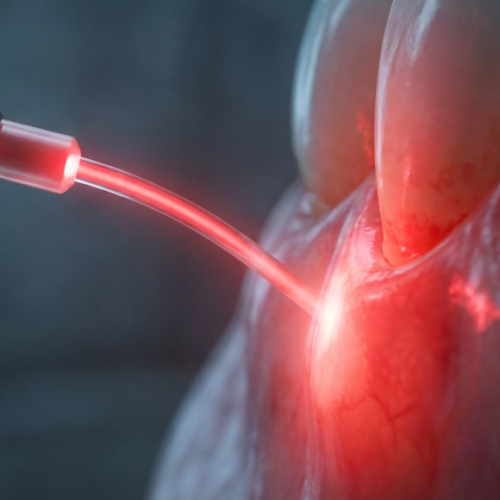
While general dentists are trained to perform root canals, endodontists bring a deeper level of expertise and experience to these procedures. Their training includes using advanced technologies like digital imaging, operating microscopes, and ultrasonics. These tools allow them to work with remarkable precision in areas that are often no wider than a few millimeters.
Another key difference lies in the volume of procedures performed. Endodontists often complete dozens of root canal treatments every week. This focused experience means they can handle even complex or unusual cases with confidence. For example, teeth with curved or narrow canals, retreatments, or teeth affected by trauma often benefit from the skill of an endodontist.
Endodontists also play an important diagnostic role. Some patients experience pain that is difficult to pinpoint, or symptoms that seem unrelated to any obvious dental issue. Because of their specialized training, endodontists can identify the source of these problems, even when they involve tiny fractures or hidden infections.
In dentistry, precision and early intervention matter. By seeing an endodontist when problems arise, patients often avoid unnecessary extractions or prolonged discomfort. Their expertise helps ensure that treatment is targeted, efficient, and as comfortable as possible.
What is non-surgical endodontic treatment?
Non-surgical endodontic treatment usually refers to root canal therapy. This involves treating the inside of the tooth without making incisions in the gum or bone. The goal is to remove infected or inflamed pulp tissue, clean the root canal system, and then fill and seal it to protect against future problems.
The process begins with a careful examination and digital imaging to determine the full extent of the infection or damage. After numbing the area to ensure comfort, the endodontist creates a small opening in the crown of the tooth to access the pulp chamber. Specialized instruments are then used to remove the pulp tissue and shape the canals for filling.
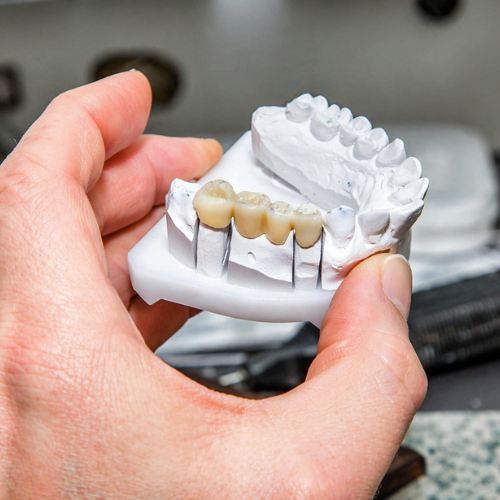
Next, the canals are disinfected thoroughly to eliminate any lingering bacteria. A biocompatible material, often gutta-percha, is used to fill the canals. Finally, the opening is sealed to keep bacteria out. Most of the time, a crown is placed afterward to strengthen and protect the tooth, especially if it was significantly weakened by decay or trauma.
Non-surgical endodontic treatment has a high success rate. Many teeth treated this way last for decades, sometimes even for life, provided they are well cared for. It is often far more cost-effective and less invasive than extraction and replacement.
In some cases, non-surgical endodontic treatment is also used for retreatment. If a previously treated tooth develops a new infection, the same steps can often resolve the issue without needing surgery. This approach prioritizes preservation over removal, aligning with the broader philosophy of modern endodontics.
Why Specialized Endodontic Care Matters
There are several reasons why seeing an endodontist can be a smart choice when you are dealing with internal tooth problems:
1. Precision in complex cases:
Teeth can have surprisingly intricate root canal systems. Some canals are curved, branched, or very narrow. Endodontists have the tools and training to navigate these complexities effectively.
2. Higher success rates:
Because of their advanced techniques and focused experience, endodontists often achieve better outcomes, especially for retreatments or complicated infections.
3. Faster and more comfortable procedures:
Specialized equipment like surgical microscopes allows endodontists to work efficiently, often reducing chair time and discomfort compared to traditional methods.
4. Tooth preservation:
Saving natural teeth remains the gold standard in dentistry. Endodontists are committed to preserving teeth whenever possible, which supports long-term oral health and avoids the need for prosthetics.
Common Signs You Might Need Endodontic Care
Recognizing when to see an endodontist can prevent complications down the road. Here are some signs that might indicate a problem inside your tooth:
- Persistent tooth pain, especially when chewing or applying pressure
- Sensitivity to hot or cold that lingers after the stimulus is removed
- Swelling or tenderness in the gums near a tooth
- A darkening or discoloration of the tooth
- A small pimple-like bump on the gum, which may indicate infection
- Previous root canal treatment that now feels uncomfortable or painful
If you notice any of these symptoms, it is best to have your dentist evaluate the situation. They may refer you to an endodontist for specialized treatment.
Schedule Your Appointment Today
If you are experiencing tooth pain, sensitivity, or any signs of infection, do not wait. The sooner you seek care, the better the chances of saving your natural tooth. At Bellflower Dental Group, our endodontic specialists are ready to provide accurate diagnosis, effective treatment, and lasting results.
Schedule an appointment with us today to get expert care and keep your smile healthy for years to come.