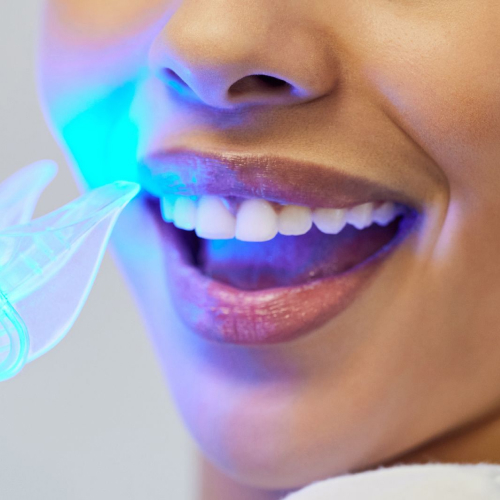
Professional Teeth Whitening vs. DIY: What's Actually Safer?
Discover if professional teeth whitening is safer than DIY methods. Compare in-office results to home kits and toothpaste. Schedule your consultation now!
Read More
Have you ever woken up feeling tired despite getting what should have been a full night's rest? Maybe your partner has complained about your loud snoring or expressed concern when you seem to stop breathing momentarily during sleep. These could be signs of sleep apnea—a common but potentially serious sleep disorder that affects millions of people. At Bellflower Dental Group, we're not just about bright smiles; we're deeply invested in your overall health and well-being. Let's explore what sleep apnea is, why it's more than just a nuisance, and how we can help you manage it.
It's natural to wonder how a condition like sleep apnea might affect your lifespan. While sleep apnea itself isn't usually the direct cause of death, its impact on overall health can be significant. Untreated sleep apnea has been linked to a range of serious health problems, including:
Studies suggest that severe sleep apnea can reduce life expectancy by several years if left untreated. The cumulative effects of these associated health issues can lead to premature death. However, with proper treatment and management, many of these risks can be significantly reduced, potentially improving life expectancy.
While there isn't a one-size-fits-all cure for sleep apnea, several effective treatment options can manage the condition and improve your quality of life. The appropriate treatment often depends on the severity of your symptoms and the underlying causes. Here are some common strategies:
Lifestyle Changes:
Continuous Positive Airway Pressure (CPAP):
Oral Appliances:
Surgery:
It's crucial to work with healthcare providers to determine the most effective treatment plan. At Bellflower Dental Group, we're here to guide you through this process, offering expert advice and support every step of the way.
While sleep apnea can lead to serious health complications, it's relatively uncommon for it to be listed as the direct cause of death. However, the condition significantly increases the risk of fatal health events. Here's how:
Understanding these risks underscores the importance of diagnosing and treating sleep apnea. By addressing the condition, you can significantly reduce the risk of these serious health complications.
At Bellflower Dental Group, we understand that sleep apnea is a multifaceted condition that requires a comprehensive approach. Our team is dedicated to providing personalized care tailored to your specific needs. Here's how we can help:
Sleep apnea is more than just an inconvenience; it's a serious health condition that can have significant impacts on your life and well-being. The good news is that effective treatments are available, and you don't have to navigate this journey alone.
If you suspect that you or a loved one may be experiencing sleep apnea, don't wait to seek help. Early intervention can improve your sleep, reduce health risks, and enhance your overall quality of life.
At Bellflower Dental Group, we're here to support you every step of the way. Schedule an appointment with us today, and let's work together toward better sleep and better health.
Fresh news from the dental world...



Mon - Fri 9AM - 6PM
Saturday 9AM - 3PM
Sunday Closed
Check out what our patients are saying in Bellflower, CA...


“Great customer service!”
Great customer service and attentive staff! My 3 year old enjoyed his visit! Yes, I said he enjoyed it! He had to have X-rays done, and I was so worried that he wasn't gonna be a happy camper but the X-ray tech, Dominique, is so good with kids! The X-rays were fast and painless! Overall a great experience!

“Surpasses my expectations!”
Amazing staff! My experience at Bellflower Dental Group was outstanding. I highly recommend this dental group. I come to them for my braces, their ortho is incredible, the highlight of this dental group. The staff is amazing, their employees are so kind and take the time to perfect your braces.

“I love this dental office!”
I have been coming here for years. It is a one-stop-shop! You can get your x-rays, cleaning, braces, labs, dentures, toothbrushes, and more all right here. The staff is great, and they try to work with you if you need a payment plan. Never had any issues with any of the work done here!
“Great customer service!”
Great customer service and attentive staff! My 3 year old enjoyed his visit! Yes, I said he enjoyed it! He had to have X-rays done, and I was so worried that he wasn't gonna be a happy camper but the X-ray tech, Dominique, is so good with kids! The X-rays were fast and painless! Overall a great experience!
“Surpasses my expectations!”
Amazing staff! My experience at Bellflower Dental Group was outstanding. I highly recommend this dental group. I come to them for my braces, their ortho is incredible, the highlight of this dental group. The staff is amazing, their employees are so kind and take the time to perfect your braces.
Check out our accreditations, sources, and relationships in the wide world of dentistry...


Check us out and follow our Bellflower, CA practice on social media...


