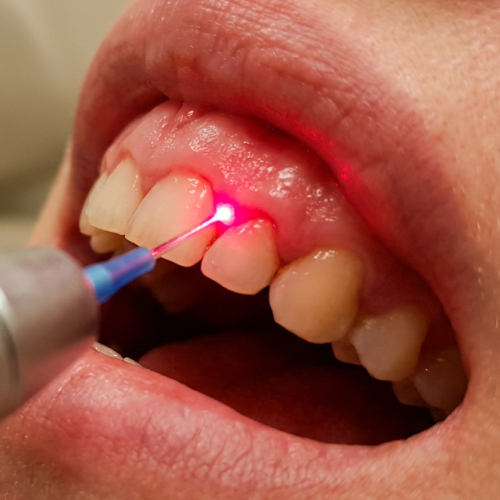
Gum Contouring: What the Procedure Actually Involves (And Who Should Do It)
Wondering how gum contouring works and who can perform it? Learn about the procedure and visit requirements, then schedule your consult with our team today!
Read More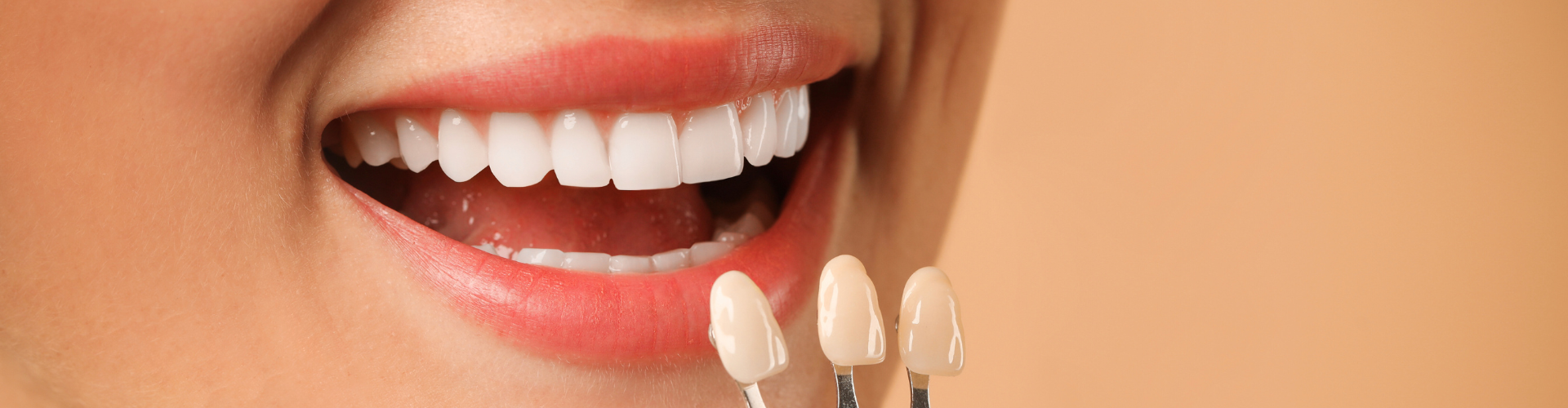
Dental veneers often look effortless once they are in place. A brighter smile. Better balance. Teeth that look like they were always meant to be that way. What many people do not realize is how much planning, precision, and craftsmanship goes into making veneers look natural rather than obvious.
Veneers are not stamped out or mass produced. They are custom dental restorations designed for one person, one smile, and one specific set of goals. The process combines dental science, artistic judgment, and modern technology, all working together to create a result that feels natural in your mouth and fits your face.
At Bellflower Dental Group, veneers are approached as a collaborative process. Patients are involved at every stage, from the first conversation to the final placement. Understanding how veneers are made can help you feel more confident about the decision and better prepared for what to expect.
The veneer process begins long before anything is created in a dental lab. It starts with listening, evaluating, and planning. Skipping these steps is one of the main reasons veneers can look unnatural or feel uncomfortable.
1. The consultation and smile evaluation
Every veneer case starts with a detailed consultation. This is where your dentist looks at more than just your teeth.
They evaluate:
This stage is also where you talk about your goals. Some patients want subtle refinement. Others want a brighter, more dramatic change. There is no single right answer, but clarity at this stage is essential.
Photos, digital scans, and sometimes X-rays are used to build a complete picture of your oral health. Veneers are cosmetic, but they still need a healthy foundation to last.
2. Smile design and planning
Once veneers are confirmed as a good option, the design phase begins. This is where dentistry becomes part science, part art.
Your dentist determines:
Many offices now use digital smile design tools or mockups to preview the outcome. In some cases, a temporary preview may be placed on your teeth so you can see how the shape and length feel before anything permanent is made.
This planning step ensures that the veneers enhance your smile rather than overpower it.
3. Preparing the teeth
To make room for veneers, a small amount of enamel is usually removed from the front surface of the teeth. This step is precise and conservative. The goal is to preserve as much natural tooth structure as possible.
Not all veneers require the same level of preparation.
The amount removed depends on:
Local anesthesia is used to keep you comfortable. After preparation, your dentist smooths and shapes the teeth so the veneers will sit flush and look seamless.
4. Taking impressions or digital scans
Once the teeth are prepared, impressions or digital scans are taken. These capture every detail of your teeth, including contours, spacing, and bite alignment.
These records are sent to a dental lab, where skilled technicians begin crafting your veneers. This is not a quick process, and for good reason. Each veneer is custom built to match your smile design plan.
5. Temporary veneers
In many cases, temporary veneers are placed while your permanent ones are being made. These temporaries protect the prepared teeth and give you a chance to experience the new shape.
Temporary veneers also serve an important role. They allow you and your dentist to assess:
Feedback from this phase can be used to make small refinements before the final veneers are completed.
6. Final veneer creation in the lab
In the dental lab, technicians use your scans, impressions, photos, and shade guides to create veneers that match your specifications.
This step involves multiple stages of layering, shaping, and polishing. Each veneer is evaluated for translucency, texture, and color depth. This is what separates natural looking veneers from flat, artificial ones.
7. Placement and bonding
Once the veneers are ready, you return for placement. Each veneer is first tried on to check fit, color, and alignment. Adjustments are made as needed.
When everything looks right, the veneers are permanently bonded to your teeth using a strong dental adhesive. The surface is cured with a special light, and the edges are polished for a smooth finish.
Your bite is checked carefully to ensure comfort and function.
The material used for veneers plays a major role in how they look, feel, and last. There is no single best option for everyone. The right choice depends on your needs, budget, and expectations.
Porcelain veneers
Porcelain is the most common material used for veneers and for good reason.
Benefits of porcelain veneers include:
Porcelain veneers are crafted in a dental lab and require at least two visits. They are often chosen for patients seeking long term results and a highly natural appearance.
Composite resin veneers
Composite veneers are made from tooth colored resin material. They can sometimes be placed in a single visit.
Key characteristics include:
However, composite veneers may stain more easily and may not last as long as porcelain. They can be a good option for minor corrections or short term improvements.
How material choice affects appearance
The material impacts several aspects of your final smile:
Your dentist will explain the pros and cons of each option and recommend what works best for your specific case.
One of the most common questions patients ask is about timing. Veneers are not an instant treatment, but the process is usually straightforward and predictable.
Typical timeline for veneers
For most patients, the process looks like this:
From start to finish, veneers usually take two to three weeks. Some cases may take longer if additional planning or adjustments are needed.
Why the timeline matters
Rushing the veneer process often leads to compromised results. Taking the time to design, test, and refine ensures that the veneers:
A well planned veneer case is not just about speed. It is about longevity and satisfaction.
Once veneers are in place, caring for them is similar to caring for natural teeth. Veneers are strong, but they are not indestructible.
Best practices include:
Regular dental visits help monitor the health of your veneers and the underlying teeth.
Veneers are a versatile option, but they are not the solution for every dental concern. They work best for patients with healthy teeth and gums who want to address:
A thorough evaluation ensures veneers are the right choice and that they will perform well over time.
Dental veneers are not just cosmetic covers. They are carefully designed restorations that balance aesthetics, function, and comfort. From the first consultation to the final polish, each step plays a role in the outcome.
Understanding how veneers are made helps set realistic expectations and highlights why experience and attention to detail matter so much.
If you are considering veneers and want a personalized approach focused on natural results, the team at Bellflower Dental Group is here to help. Schedule an appointment today to explore whether custom dental veneers are the right fit for your smile and your goals.
Fresh news from the dental world...



Mon - Fri 9AM - 6PM
Saturday 9AM - 3PM
Sunday Closed
Check out what our patients are saying in Bellflower, CA...


“Great customer service!”
Great customer service and attentive staff! My 3 year old enjoyed his visit! Yes, I said he enjoyed it! He had to have X-rays done, and I was so worried that he wasn't gonna be a happy camper but the X-ray tech, Dominique, is so good with kids! The X-rays were fast and painless! Overall a great experience!

“Surpasses my expectations!”
Amazing staff! My experience at Bellflower Dental Group was outstanding. I highly recommend this dental group. I come to them for my braces, their ortho is incredible, the highlight of this dental group. The staff is amazing, their employees are so kind and take the time to perfect your braces.

“I love this dental office!”
I have been coming here for years. It is a one-stop-shop! You can get your x-rays, cleaning, braces, labs, dentures, toothbrushes, and more all right here. The staff is great, and they try to work with you if you need a payment plan. Never had any issues with any of the work done here!
“Great customer service!”
Great customer service and attentive staff! My 3 year old enjoyed his visit! Yes, I said he enjoyed it! He had to have X-rays done, and I was so worried that he wasn't gonna be a happy camper but the X-ray tech, Dominique, is so good with kids! The X-rays were fast and painless! Overall a great experience!
“Surpasses my expectations!”
Amazing staff! My experience at Bellflower Dental Group was outstanding. I highly recommend this dental group. I come to them for my braces, their ortho is incredible, the highlight of this dental group. The staff is amazing, their employees are so kind and take the time to perfect your braces.
Check out our accreditations, sources, and relationships in the wide world of dentistry...


Check us out and follow our Bellflower, CA practice on social media...


