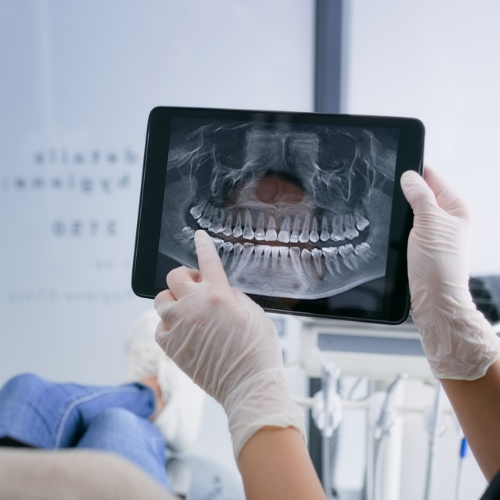
Root Canal vs Tooth Extraction
Learn the difference between root canals and tooth extractions, including the benefits, risks, and how dentists decide which treatment is right.
Read More
When most people think of dental crowns, they picture a simple cap placed on a tooth that has seen better days. While that’s true, it’s only a fraction of what crowns can actually do. Crowns are versatile. They solve a variety of dental problems, restore function, and can even improve the look of your smile. Whether it’s a cracked molar, a worn-down tooth, or a smile that needs a cosmetic boost, crowns play a crucial role in modern dentistry.
At Bellflower Dental Group, we use crowns every day to help patients regain their confidence, protect their teeth, and keep their bites strong and healthy. Below, we’ll walk through the many ways crowns are used, from solving everyday problems to providing long-lasting cosmetic results.
One of the most common reasons people get dental crowns is to solve specific dental problems that can’t be handled with simpler treatments like fillings or bonding. Crowns provide full coverage, protecting the entire visible part of a tooth. Here are some of the main issues they address:
1. Severe decay: When a tooth has extensive decay, a filling may not be strong enough to support the remaining structure. A crown provides strength and stability, sealing off the tooth to prevent further decay and allowing you to chew comfortably.
2. Cracked or fractured teeth: Cracks can happen for many reasons, from biting down on something hard to grinding your teeth at night. A crown acts like a shield, holding the tooth together and preventing the crack from spreading. Without a crown, a cracked tooth can worsen, leading to pain or even extraction.
3. Large fillings that weaken a tooth: When a tooth has had multiple fillings or one large filling, the remaining structure can be fragile. Placing a crown over it can prevent the tooth from breaking and prolong its lifespan.
4. Root canal treated teeth: After a root canal, the tooth often becomes more brittle. A crown reinforces the tooth and protects it from fractures, which are common if the tooth is left uncovered.
5. Worn-down teeth: Some patients have teeth that are worn down due to bruxism (teeth grinding) or habits like chewing ice or nail-biting. Crowns rebuild these teeth to their proper shape and size, restoring a functional bite.
6. Broken cusps: When the pointed part of a molar breaks, it can affect how your teeth fit together when you bite. A crown reshapes the tooth and helps maintain proper alignment.
7. Post-trauma damage: Injuries from accidents or sports can chip or break teeth. A crown restores the tooth’s function and appearance, often preventing more complex treatments later.
Crowns are not always the first solution. Dentists recommend them when the tooth’s integrity is at risk or when other restorative methods won’t provide lasting results. At Bellflower Dental Group, we look at each situation carefully to decide when a crown is the most sensible option.
When a tooth can’t hold a filling: If too much tooth structure is missing, a filling may not be strong enough. A crown becomes necessary to avoid future breakage or sensitivity.
After root canal treatment: Because root canal procedures remove the nerve and blood supply from the tooth, the tooth becomes more brittle. Covering it with a crown helps protect it from chewing forces and fractures.
When a tooth is cracked but salvageable: If the crack doesn’t reach the root, a crown can stabilize the tooth and prevent it from splitting further. Without timely treatment, a cracked tooth can lead to infection or extraction.
To anchor a dental bridge: When replacing missing teeth with a bridge, crowns are placed on the adjacent teeth to anchor the bridge securely. This provides stability and restores the patient’s ability to chew and speak comfortably.
To restore dental implants: Implants act as artificial roots, and crowns are placed on top to create the visible part of the tooth. These crowns are custom-made to match your natural teeth and blend seamlessly with your smile.
When a tooth’s shape or size affects bite alignment: Sometimes, even without decay or cracks, a tooth’s shape or position affects your bite. A crown can reshape the tooth to create a more balanced bite and prevent issues like jaw pain or uneven wear.
For long-lasting restorations: In cases where temporary or less invasive solutions keep failing, a crown can provide a durable, stable result that saves you repeated visits in the long run.
Absolutely. While crowns are often thought of as purely functional, they are also used in cosmetic dentistry to enhance the look of a smile. Cosmetic crowns are designed to blend in naturally with surrounding teeth, or sometimes even improve the overall appearance.
1. Covering discolored or stained teeth: For teeth with severe discoloration that can’t be treated effectively with whitening, a crown can cover the entire tooth, giving it a fresh, natural color. This is especially useful when discoloration is due to internal factors, like medication stains or trauma.
2. Reshaping misshapen teeth: Some teeth may be naturally uneven, too small, or oddly shaped. Crowns can reshape these teeth, creating a more balanced and harmonious smile.
3. Closing gaps: For patients who have small gaps between teeth but don’t want orthodontic treatment, crowns can sometimes be shaped to close those spaces, improving the smile’s overall appearance.
4. Smile makeovers: Crowns are often used in smile makeovers alongside veneers, bonding, or implants. They help create a symmetrical, radiant smile while maintaining strength and function.
5. Improving worn front teeth: Front teeth can become worn from habits like nail-biting or grinding. Crowns restore their original length and shape, which can also help support the lips and maintain a youthful facial structure.
6. Replacing old restorations: Some patients have older crowns or large fillings that have become discolored or mismatched over time. Replacing them with new crowns that match your current teeth can give your smile a refreshed and cohesive look.
Not all crowns are created equal. There are several types of crowns, and the best choice depends on where the tooth is located, your bite, your preferences, and your budget.
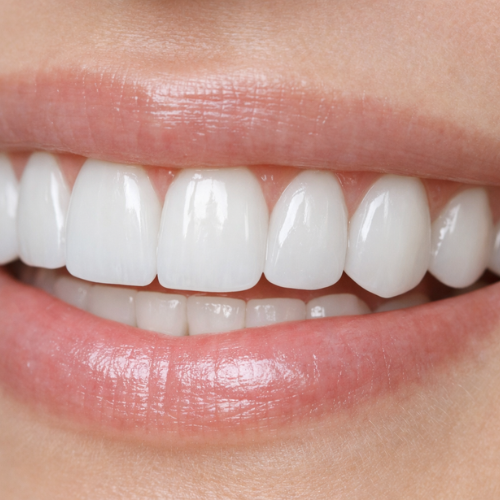
Porcelain crowns: Porcelain crowns are popular for their natural look. They match the color of surrounding teeth, making them ideal for front teeth. They are durable, though they can chip if exposed to excessive force.
Porcelain fused to metal: These crowns combine the strength of metal with the aesthetics of porcelain. The metal provides stability, while the porcelain layer gives the tooth a natural look. Sometimes, a thin metal line can appear near the gum line, especially with older crowns.
All-metal crowns: Usually made from gold or other alloys, these crowns are exceptionally durable and long-lasting. They’re often used for molars that aren’t visible but take a lot of chewing force.
Zirconia crowns: Zirconia is incredibly strong and increasingly popular because it combines strength with a natural appearance. These crowns are great for both front and back teeth and can withstand significant bite pressure.
Temporary crowns: Before your permanent crown is ready, a temporary one protects your tooth. It’s not meant to last, but it keeps the tooth safe and allows you to function normally while you wait for the final restoration.
If you’re dealing with a damaged, worn, or discolored tooth, a dental crown might be the best solution. At Bellflower Dental Group, we customize every crown to fit seamlessly into your smile, both in function and appearance.
Schedule an appointment today to find out how crowns can help protect, restore, and transform your teeth.
Fresh news from the dental world...




Mon - Fri 9AM - 6PM
Saturday 9AM - 3PM
Sunday Closed
Check out what our patients are saying in Bellflower, CA...


“I love this dental office!”
I have been coming here for years. It is a one-stop-shop! You can get your x-rays, cleaning, braces, labs, dentures, toothbrushes, and more all right here. The staff is great, and they try to work with you if you need a payment plan. Never had any issues with any of the work done here!

“Surpasses my expectations!”
Amazing staff! My experience at Bellflower Dental Group was outstanding. I highly recommend this dental group. I come to them for my braces, their ortho is incredible, the highlight of this dental group. The staff is amazing, their employees are so kind and take the time to perfect your braces.

“Great customer service!”
Great customer service and attentive staff! My 3 year old enjoyed his visit! Yes, I said he enjoyed it! He had to have X-rays done, and I was so worried that he wasn't gonna be a happy camper but the X-ray tech, Dominique, is so good with kids! The X-rays were fast and painless! Overall a great experience!
“I love this dental office!”
I have been coming here for years. It is a one-stop-shop! You can get your x-rays, cleaning, braces, labs, dentures, toothbrushes, and more all right here. The staff is great, and they try to work with you if you need a payment plan. Never had any issues with any of the work done here!
“Surpasses my expectations!”
Amazing staff! My experience at Bellflower Dental Group was outstanding. I highly recommend this dental group. I come to them for my braces, their ortho is incredible, the highlight of this dental group. The staff is amazing, their employees are so kind and take the time to perfect your braces.
Check out our accreditations, sources, and relationships in the wide world of dentistry...


Check us out and follow our Bellflower, CA practice on social media...


