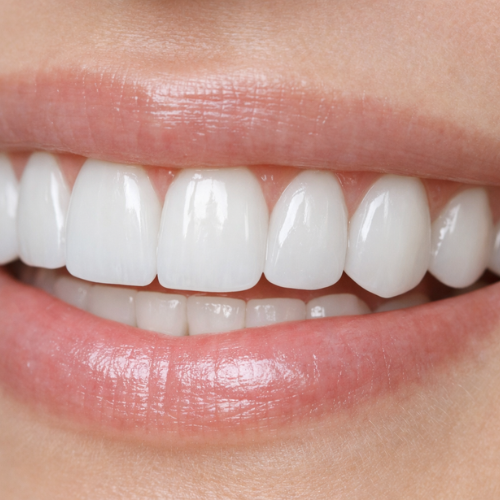
Do Veneers Stain? What Every Patient Should Know Before Getting One
Wondering if veneers stain over time? Bellflower Dental Group explains what causes discoloration and how to keep your smile bright. Call today.
Read More
Temporomandibular Joint Disorder (TMJ) often lurks behind common symptoms like jaw pain, headaches, and difficulty chewing, yet its causes and treatments can be complex. In this comprehensive guide, we delve into the intricacies of TMJ, distinguishing it from TMD, exploring the connection with anxiety, and unveiling pathways to a permanent cure.
The confusion between TMJ and TMD often arises due to the close relationship between the joint and the disorders associated with it. To clarify, the Temporomandibular Joint (TMJ) is one of the most complex joints in the body, capable of moving in multiple directions to facilitate actions like chewing, talking, and yawning. It consists of bones, muscles, ligaments, and discs, all working together to enable smooth movement of the jaw.
On the other hand, Temporomandibular Disorder (TMD) encompasses a range of problems that can affect the health and functionality of this joint and its surrounding structures. TMD can manifest through various symptoms, such as pain or tenderness in the jaw, aching around the ear, difficulty or discomfort while chewing, facial pain, and even locking of the joint, making it difficult to open or close the mouth.
The causes of TMD are diverse and can include factors such as jaw injury, arthritis, dental misalignment, chronic grinding or clenching of teeth, stress, and certain genetic predispositions. Because of the TMJ's complexity and its integral role in daily functions, the impact of TMD can be significant, often requiring a multidisciplinary approach for effective management.
Diagnosing TMD involves a comprehensive evaluation that may include dental exams, analysis of jaw movement, and imaging tests to assess the state of the joint and its associated structures. The distinction between TMJ and TMD is crucial in medical and dental fields, as it helps professionals understand whether a patient is referring to the joint itself or the broader range of disorders that could be affecting the joint’s performance.
In summary, while TMJ refers specifically to the anatomical structure enabling jaw movement, TMD refers to the conditions that impair the normal function and health of this joint and its components. Recognizing the difference between these terms is essential for providing accurate diagnosis, treatment, and education about the potential complexities and management strategies for issues related to the temporomandibular joint.
Anxiety doesn't just potentially trigger the development of TMJ disorders; it can also intensify the existing condition, creating a vicious cycle. When someone is anxious, their body's stress response can lead to increased muscle tension, including in the areas surrounding the jaw. This tension can cause the jaw to misalign slightly, leading to improper function of the temporomandibular joint and worsening the symptoms of TMJ.
Additionally, chronic anxiety can lead to long-term behavioral changes, such as persistent jaw clenching or teeth grinding, even during waking hours. These habits can significantly strain the temporomandibular joint and the muscles responsible for jaw movement, leading to inflammation, pain, and even changes in the joint's structure over time.
Furthermore, anxiety-related disorders like generalized anxiety disorder (GAD) or panic disorder can amplify the body's pain response. Individuals with high anxiety levels may experience a heightened awareness of pain, and their nervous system can become hypersensitive to any discomfort or abnormalities in the jaw region, exacerbating the perception of TMJ symptoms.
The interplay between anxiety and TMJ is also evident in the body's biochemical reactions to stress. Stress and anxiety can lead to the release of certain chemicals in the body, like cortisol, which in prolonged periods can contribute to inflammation, affecting the TMJ and surrounding tissues.
In light of these connections, it's clear that managing anxiety and stress is a critical component in both preventing the onset of TMJ disorders and treating existing conditions. Addressing anxiety through therapeutic methods, relaxation techniques, and, when necessary, medication, can reduce the frequency and intensity of TMJ symptoms, offering a more holistic approach to treatment and management of the condition.
Achieving permanent relief from TMJ disorders necessitates a comprehensive and personalized treatment strategy, considering the unique aspects of each individual's condition. The journey toward curing TMJ begins with a detailed diagnostic process, including clinical examinations, medical history reviews, and possibly advanced imaging techniques like MRI or CT scans. These diagnostics help in pinpointing the exact nature and severity of the disorder, whether it's related to joint structure, muscle function, or other contributing factors.
Once the specific characteristics of the TMJ disorder are understood, treatment can be more effectively tailored. Conservative treatments often serve as the first line of action. These can include physical therapy, which focuses on strengthening and stretching the jaw muscles to improve function and reduce pain. Dental splints or night guards are also common, designed to prevent teeth grinding and jaw clenching, thereby alleviating pressure on the joint.
Stress management is another critical aspect of conservative treatment, as stress can significantly exacerbate TMJ symptoms. Techniques such as cognitive-behavioral therapy (CBT), mindfulness, meditation, and biofeedback can help patients manage stress and reduce the unconscious jaw activities that contribute to TMJ pain.
In cases where conservative treatments are insufficient, more advanced interventions may be considered. These can include pain management through medications like anti-inflammatories, muscle relaxants, or even Botox injections to relax the jaw muscles and decrease pain. For structural issues within the joint itself, such as disc displacement or severe degeneration, surgical options may be explored. These surgeries can range from minimally invasive procedures like arthrocentesis (joint flushing) to more complex surgeries like arthroplasty or joint replacement.
Lifestyle modifications also play a vital role in managing TMJ. Patients may need to adjust their diet to include softer foods, practice jaw exercises to improve mobility and strength, and avoid habits that strain the jaw, like gum chewing or nail-biting.
Ultimately, the goal of TMJ treatment is not just to alleviate symptoms but to address the root causes and promote long-term health and functionality of the jaw joint. Regular follow-up with healthcare providers, ongoing assessment of the treatment's effectiveness, and adjustments as necessary are crucial steps in achieving a permanent cure for TMJ disorders.
Don't let TMJ discomfort and/or other dental health issues disrupt your life. Schedule an appointment with our dental office today to explore your treatment options and embark on the path to recovery. Our expert team is dedicated to providing you with the care and support you need to alleviate your TMJ symptoms and improve your quality of life.
Fresh news from the dental world...





Mon - Fri 9AM - 6PM
Saturday 9AM - 3PM
Sunday Closed
Check out what our patients are saying in Bellflower, CA...


“Great customer service!”
Great customer service and attentive staff! My 3 year old enjoyed his visit! Yes, I said he enjoyed it! He had to have X-rays done, and I was so worried that he wasn't gonna be a happy camper but the X-ray tech, Dominique, is so good with kids! The X-rays were fast and painless! Overall a great experience!

“Surpasses my expectations!”
Amazing staff! My experience at Bellflower Dental Group was outstanding. I highly recommend this dental group. I come to them for my braces, their ortho is incredible, the highlight of this dental group. The staff is amazing, their employees are so kind and take the time to perfect your braces.

“I love this dental office!”
I have been coming here for years. It is a one-stop-shop! You can get your x-rays, cleaning, braces, labs, dentures, toothbrushes, and more all right here. The staff is great, and they try to work with you if you need a payment plan. Never had any issues with any of the work done here!
“Great customer service!”
Great customer service and attentive staff! My 3 year old enjoyed his visit! Yes, I said he enjoyed it! He had to have X-rays done, and I was so worried that he wasn't gonna be a happy camper but the X-ray tech, Dominique, is so good with kids! The X-rays were fast and painless! Overall a great experience!
“Surpasses my expectations!”
Amazing staff! My experience at Bellflower Dental Group was outstanding. I highly recommend this dental group. I come to them for my braces, their ortho is incredible, the highlight of this dental group. The staff is amazing, their employees are so kind and take the time to perfect your braces.
Check out our accreditations, sources, and relationships in the wide world of dentistry...


Check us out and follow our Bellflower, CA practice on social media...


