When you’ve got a damaged or decayed tooth, your dentist might mention options like inlays, onlays, or crowns. It sounds like a dental menu, but what do these treatments actually mean? More importantly, which one does your tooth really need?
At Bellflower Dental Group, we see a lot of patients trying to make sense of these options. The truth is, while inlays and onlays can be effective in very specific cases, dental crowns are the go-to solution in many situations, especially when you’re dealing with moderate to severe tooth damage. Here’s a closer look at how each option works and how to know which one makes the most sense for your smile.
What’s the difference between an inlay, onlay, and crown?
All three treatments aim to restore a damaged tooth, but they each cover a different portion of the tooth’s surface.
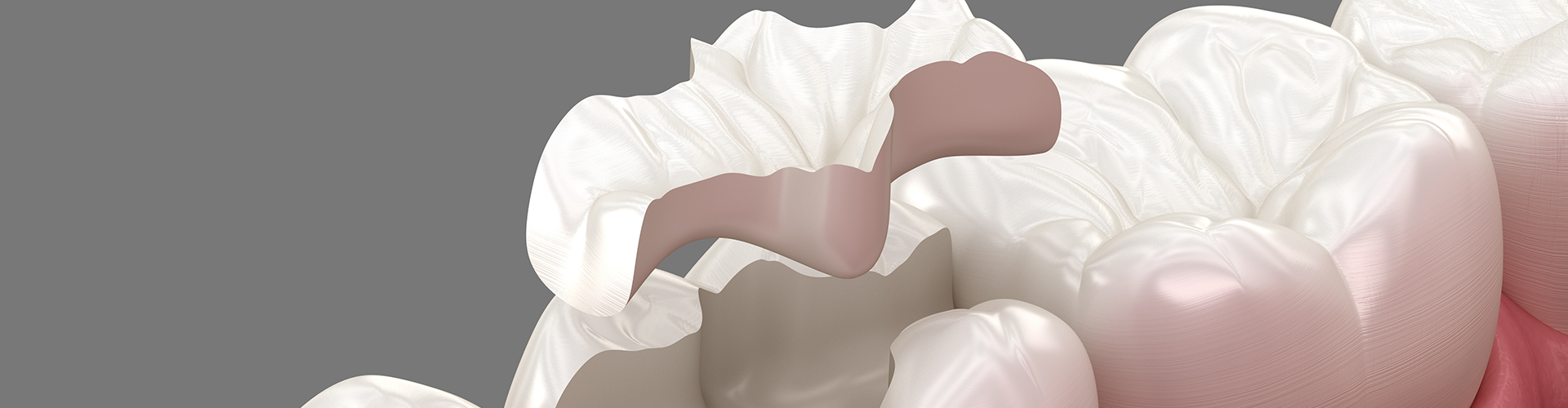
Inlays fit within the grooves of a tooth, typically between the cusps (those little peaks on your molars). They’re used when a cavity is too large for a filling but doesn’t need a full crown. Made from porcelain, composite resin, or gold, inlays are designed to blend in with your natural tooth while providing strength.
Onlays, sometimes called “partial crowns,” cover more of the tooth than inlays. They extend over one or more cusps and are usually recommended when the damage goes beyond the center of the tooth but hasn’t reached the point of needing a full crown.
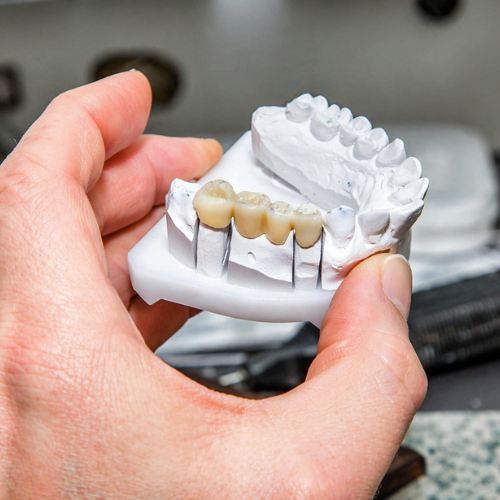
Crowns are the heavy hitters. They completely cap the visible portion of your tooth, restoring both function and appearance. Crowns are often used after root canals, large fractures, or when a tooth is significantly decayed. Unlike inlays or onlays, a crown gives the tooth full protection from further damage or wear.
So, inlays and onlays are a bit like patchwork, great if the damage is contained and the structure of the tooth is mostly intact. Crowns, on the other hand, are more like armor. They encase the entire tooth and are ideal when the natural tooth can no longer stand on its own.
From a durability standpoint, crowns also tend to outperform inlays and onlays. While all three are designed to last for years, crowns are generally better suited to handle the daily pressure of chewing, especially if you grind your teeth or have bite issues.
When is a crown better than an inlay or onlay?
Let’s say you’re experiencing pain when chewing, or you’ve chipped a molar after biting down on something hard. You visit your dentist, and they say the damage is moderate to severe. In this case, a crown is almost always the better option.
Here are a few reasons why crowns are often preferred:
1. More Protection:
A crown covers the entire tooth, which means it reinforces not just the damaged part but the surrounding areas too. If a tooth is weakened by decay, trauma, or a large filling, it may be too fragile to support an inlay or onlay alone. Crowns offer full coverage and strength.
2. Long-Term Reliability:
Because of their comprehensive coverage, crowns tend to have a longer lifespan. With proper care, they can last 10–15 years or more. Inlays and onlays, while durable, typically have a slightly shorter life expectancy and may need replacement sooner depending on bite force and hygiene.
3. Post-Root Canal Treatment:
Anytime a root canal is performed, the tooth is left brittle and hollowed out. A crown is the standard follow-up because it seals the tooth completely and gives it structural support to prevent future fractures.
4. Large Fillings or Cavities:
If your filling takes up more than half of your tooth’s surface, it’s not just a filling anymore, it’s a sign your tooth needs structural reinforcement. A crown steps in to do just that, distributing biting force evenly across your tooth and preventing cracks or breaks.
5. Severe Wear or Grinding:
If you’re a teeth-grinder or clencher (a condition known as bruxism), your molars take a beating. Over time, they may flatten or crack. A crown can restore the original shape and function of the tooth, while withstanding the added pressure from grinding much better than an inlay or onlay.
At Bellflower Dental Group, we carefully evaluate each tooth to see how much healthy structure remains. In many cases, a crown is the most reliable way to protect that tooth for the long haul.
Are inlays and onlays more affordable than crowns?
This is a great question, and the answer is a bit more nuanced than you might think.
Inlays and onlays are often thought of as a “middle ground” between fillings and crowns, so you might assume they’re cheaper. But that’s not always true. In fact, depending on the material used and the dental lab fees involved, inlays and onlays can sometimes cost just as much, or even more, than a crown.
Let’s break it down a little further:
1. Material Matters:
Crowns, inlays, and onlays can all be made from porcelain, ceramic, composite resin, or gold. Porcelain and ceramic are more common these days, especially for patients who want a natural look. However, these materials can be pricey no matter which type of restoration you’re getting.
Gold tends to be the most expensive option for any restoration, though it’s also the most durable.
2. Lab Fees and Custom Work:
All three restorations are custom-made in a dental lab (unless your dentist offers same-day milling). Because they require a high level of precision to fit your tooth perfectly, there’s a fair amount of labor involved. Whether it’s an inlay, onlay, or crown, the cost is often driven more by the lab work than the size of the restoration.
3. Insurance Coverage:
Most dental insurance plans group these procedures under “major restorative services,” which means you’ll usually pay a percentage of the cost out of pocket, often 50%. Crowns tend to be more widely covered because they’re more commonly used and understood by insurance providers. Inlays and onlays may require additional documentation to justify coverage, which can complicate things a bit.
4. Longevity and Replacement:
Even if inlays or onlays are slightly cheaper up front, they may not be the most cost-effective long term. If your tooth continues to weaken over time, you could end up needing a crown later anyway. That means paying twice, once for the inlay or onlay, and again for the crown.
For many of our patients at Bellflower Dental Group, investing in a crown right from the start saves money, time, and discomfort in the future.
What’s best for your tooth?
Ultimately, the right choice depends on the size of the damage, the location of the tooth, your bite, and how much healthy tooth structure is left. But more often than not, a crown offers the strongest, most predictable result, especially for back teeth and more complex cases.
If you’ve been told you need an inlay or onlay and you’re not sure whether that’s the right option, we’re here to help. At Bellflower Dental Group, we take a personalized approach to every restoration. We’ll walk you through your options, show you your X-rays, and help you make an informed choice based on your long-term oral health, not just what’s easiest or quickest.
Let’s Take Care of That Tooth Before It Gets Worse
Tooth pain or damage can go from mild to serious in no time. If you're putting off treatment because you're unsure what you need, let’s fix that.
Book your appointment with Bellflower Dental Group today. We’ll evaluate your tooth, explain your options clearly, and get you on the path to a stronger, healthier smile, whether that means an inlay, onlay, or crown.
Schedule your visit today. Your future self will thank you.