Temporomandibular Joint Disorder (TMJ) can cause significant discomfort, affecting your daily life with symptoms like jaw pain, headaches, and difficulty chewing. If you're experiencing these issues, finding the right TMJ doctor is crucial. This guide will help you understand TMJ, the best treatments available, and the type of doctor you should consult.
Is TMJ a Medical or Dental Condition?
TMJ disorder lies at the intersection of medical and dental care. While it involves the jaw joint and muscles that control jaw movement, which are often the realm of dental professionals, the symptoms can also affect other areas such as the head, neck, and ears. This crossover means both medical and dental expertise can be essential for effective treatment.
What is the Best Cure for TMJ?
There is no one-size-fits-all cure for TMJ, but several treatments can alleviate the symptoms, allowing you to manage the condition effectively. Here are some of the most common and effective approaches:
Lifestyle Changes
Adopting specific lifestyle modifications can significantly reduce the strain on your jaw. Simple changes include:
- Eating Soft Foods: Consuming foods that require minimal chewing can help prevent overuse of the jaw muscles.
- Avoiding Chewing Gum: Repetitive chewing can aggravate TMJ symptoms, so it's best to avoid gum and other chewy foods.
- Stress Reduction: Techniques such as yoga, meditation, and deep breathing exercises can help lower stress levels, which often contribute to jaw clenching and TMJ pain.
Medications
Medications can provide significant relief from TMJ-related pain and inflammation:
- Over-the-Counter Pain Relievers: Non-prescription medications like ibuprofen and acetaminophen can help manage mild to moderate pain.
- Anti-Inflammatories: These drugs reduce inflammation in the jaw, easing discomfort and improving mobility.
- Muscle Relaxants: For those experiencing muscle spasms, muscle relaxants can help relieve tension and pain.
Physical Therapy
Physical therapy focuses on exercises and techniques to enhance jaw function and reduce pain:
- Jaw Exercises: Guided exercises can strengthen the jaw muscles, improve range of motion, and alleviate stiffness.
- Posture Training: Proper posture can reduce strain on the jaw and neck, helping to prevent TMJ symptoms.
- Manual Therapy: Hands-on techniques by a physical therapist can improve joint movement and relieve muscle tension.
Dental Splints or Mouth Guards
Dental devices are commonly used to manage TMJ symptoms:
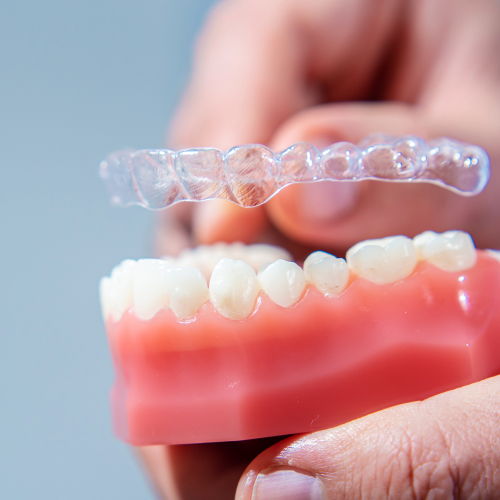
- Mouth Guards: Custom-fitted mouthguards worn at night can prevent teeth grinding (bruxism) and jaw clenching, reducing stress on the TMJ.
- Dental Splints: These devices help align the jaw properly, reducing discomfort and preventing further damage to the joint.
Surgery
In severe cases where other treatments have failed, surgical intervention might be necessary:
- Arthrocentesis: This minimally invasive procedure involves flushing the joint with fluid to remove debris and reduce inflammation.
- Arthroscopy: A small camera is inserted into the joint, allowing the surgeon to remove inflamed tissue or realign the joint.
- Open-Joint Surgery: In cases of severe joint damage, more invasive surgery may be required to repair or replace the TMJ.
Alternative Therapies
Some patients find relief through alternative therapies, which can be used in conjunction with other treatments:
- Acupuncture: This traditional Chinese medicine technique involves inserting thin needles into specific points on the body to reduce pain and improve function.
- Chiropractic Care: Adjustments and manipulations performed by a chiropractor can improve joint alignment and reduce TMJ symptoms.
- Massage Therapy: Targeted massage can relieve muscle tension and improve circulation in the jaw area.
Your treatment plan will depend on the severity of your symptoms and the underlying causes of your TMJ disorder. Consulting with a knowledgeable TMJ doctor will help tailor a solution to your specific needs. Working closely with your healthcare provider ensures that you receive the most effective treatment combination to alleviate your TMJ symptoms and improve your quality of life.
What Kind of Doctor Do You Need to See for TMJ?
Choosing the right doctor for TMJ treatment is essential for effectively managing the condition and alleviating symptoms. Here’s an overview of the various specialists you might consider consulting:
Dentists with TMJ Specialization
Dentists who specialize in TMJ disorders have undergone specific training to diagnose and treat this condition. They can offer a comprehensive range of treatments, including custom mouthguards to prevent teeth grinding and reduce jaw tension, as well as advanced dental procedures such as occlusal adjustments to improve bite alignment and reduce TMJ strain. Additionally, these dentists often provide behavioral therapy to help you understand and avoid habits that exacerbate TMJ symptoms, like clenching and grinding your teeth.
Oral and Maxillofacial Surgeons
For more severe TMJ cases, an oral and maxillofacial surgeon might be necessary. These surgeons are trained to handle complex treatments, including arthrocentesis, a minimally invasive procedure to clean out the joint, and arthroscopy, which uses a tiny camera and instruments to treat TMJ disorders. In cases of severe joint damage, they can perform open-joint surgery to reconstruct the TMJ and restore its function. Their extensive training in facial anatomy allows them to address both the functional and aesthetic aspects of TMJ disorders.
Otolaryngologists (ENTs)
Otolaryngologists, or ear, nose, and throat doctors, are particularly beneficial if your TMJ symptoms extend beyond the jaw and include ear pain or hearing issues. They can diagnose whether your ear pain is related to TMJ or another condition, and treat related ENT issues that might be contributing to or exacerbating TMJ symptoms. Their expertise in the interconnected areas of the head and neck can provide a holistic approach to managing your symptoms.
Physical Therapists
Physical therapists specializing in TMJ-related therapies provide non-invasive treatment options focusing on improving jaw function and reducing pain. They guide you through specific exercises designed to strengthen and stretch the jaw muscles, and use manual therapy techniques to enhance joint movement and relieve muscle tension. Physical therapists also offer posture training to help you maintain proper posture, reducing strain on your jaw and neck and preventing further TMJ issues.
Pain Specialists
If chronic pain is a significant issue, consulting a pain specialist can be invaluable. These doctors are experts in managing chronic pain and offer advanced pain management techniques. They can prescribe and manage medications tailored to your pain level and type, administer steroid or anesthetic injections directly into the TMJ area for relief, and develop comprehensive pain management plans that include various therapies and lifestyle modifications. Their focus on long-term pain relief can be a crucial part of your treatment strategy.
Other Specialists
In some cases, other healthcare providers might play a role in your TMJ treatment. Chiropractors can offer adjustments and manipulations to improve joint alignment and relieve tension in the jaw. Acupuncturists use traditional Chinese medicine techniques to alleviate pain and enhance jaw function. Massage therapists can provide specialized massage techniques to reduce muscle tension and improve circulation in the jaw area. These alternative therapies can complement conventional treatments and provide additional relief from TMJ symptoms.
When looking for the best TMJ doctor, ensure they have extensive experience with TMJ disorders and come highly recommended by other patients. Personal recommendations, patient reviews, and consultations can help you find a specialist who understands your condition and offers the most appropriate treatment options. In summary, treating TMJ often requires a multidisciplinary approach. Consulting with various specialists can provide a comprehensive treatment plan tailored to your specific needs. Our dental office collaborates with a network of skilled professionals to ensure you receive the best care possible. Schedule an appointment with us today to start your path to relief.
Conclusion
Finding the best TMJ doctor involves understanding the condition, exploring treatment options, and consulting with the right specialists. If you're struggling with TMJ symptoms, our dental office offers expert care and personalized treatment plans. Schedule an appointment with us today to start your journey towards a pain-free life.