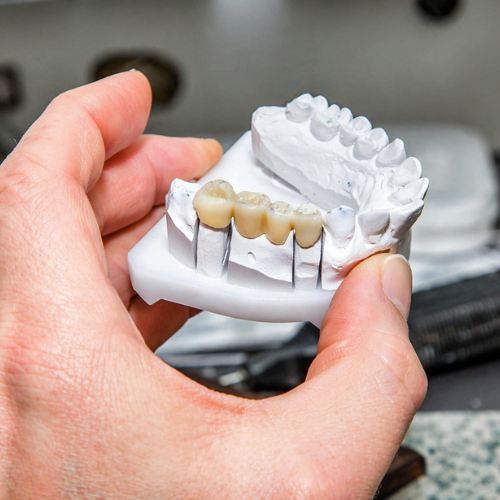
When One Missing Tooth Starts Causing More Trouble Than You Expected
Learn how a dental bridge replaces a missing tooth, who it helps, and how long it can last at Bellflower Dental Group.
Read More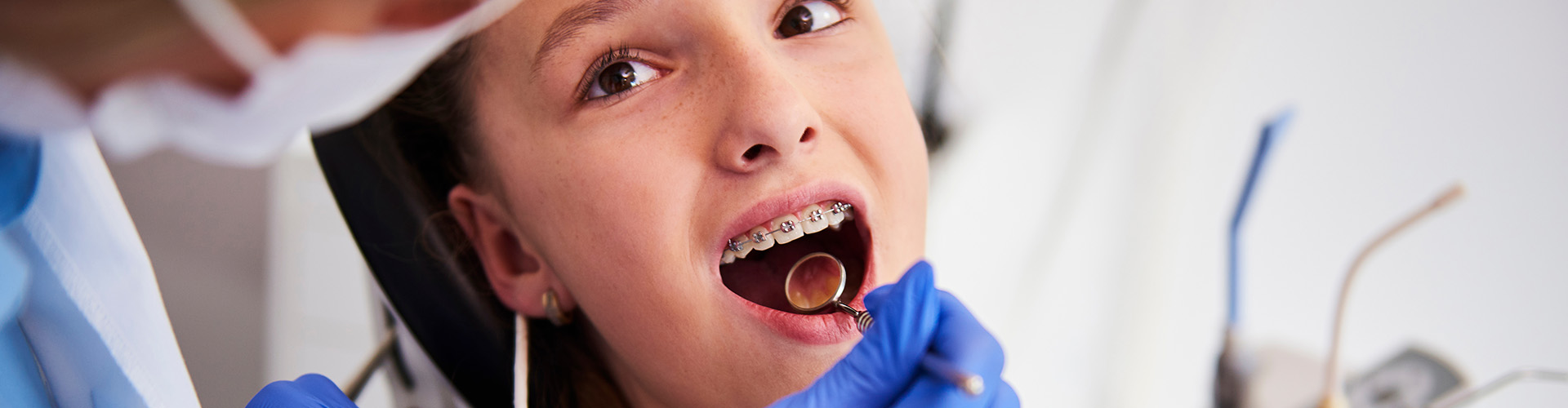
Every parent cherishes that heart-melting moment when their child flashes a radiant smile. But beyond the beauty of those pearly whites, ensuring they're aligned properly is crucial for their overall oral health. As the world of orthodontics evolves, parents find themselves navigating through a sea of options, questions, and decisions: When is the right age for braces? Which type suits my child best? And, of course, how much is this going to cost? Fear not! In this blog post, we'll dive deep into children’s orthodontics, answering these pressing questions and helping you make informed choices for your little one's dazzling smile.
Orthodontics isn't just about flashing a beautiful smile; it’s about ensuring proper oral health. While many of us picture teenagers with braces, the groundwork for orthodontic treatment often begins much earlier.
Ideal Age Range: Most orthodontists agree that children should have their first check-up around the age of 7. Why so early? This is the phase when adult teeth begin to emerge, allowing the dentist to catch potential issues before they become a significant problem.
Why Earlier is Sometimes Better:
Easier to Modify Growth: At younger ages, a child's jaw and teeth are easier to guide. This can reduce the need for surgical interventions later.
Predict Future Problems: Early visits can highlight issues that might become problematic down the line, ensuring timely intervention.
Positive Dental Attitudes: Getting kids acquainted with dental care routines early can make them more comfortable with the process as they grow.
That said, it’s essential to remember every child is unique. Some might need braces or orthodontic treatments earlier than others, while some might not need them at all. It’s always best to consult with a professional.
Braces have come a long way from the metallic "train tracks" many of us might remember. Today, there are multiple options available, ensuring your child gets the treatment they need while feeling confident.
Traditional Metal Braces: Often the image that pops into our minds when we think of braces, the traditional metal variety has stood the test of time—and for good reasons. Comprising metal brackets and wires, they are sturdy and effective. Their robust nature makes them especially capable of correcting a wide range of orthodontic issues, from simple misalignments to more complex bite problems. Plus, with advancements in orthodontic technology, today's metal braces are sleeker, more comfortable, and often the most budget-friendly option available.
Ceramic Braces: Think of these as the more refined siblings of metal braces. Functionally similar, ceramic braces swap out the noticeable metal brackets for ones made of clear or tooth-colored ceramic material. The result? A more discreet look that can be particularly appealing for tweens and teens who might be conscious about their appearance. While they deliver similar strength as their metal counterparts, it's essential to note they can stain if not cared for properly.
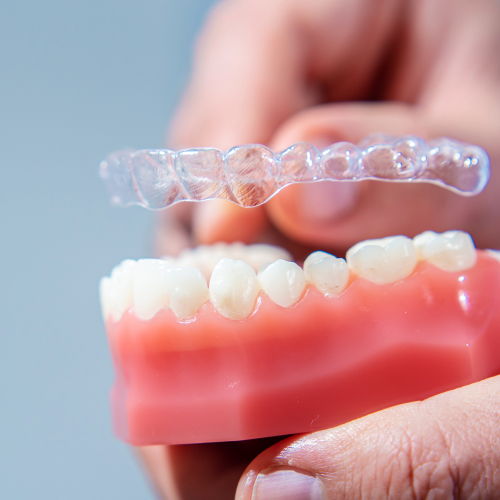
Invisalign (Clear Aligners): Stepping into the more contemporary realm of orthodontic solutions, Invisalign offers a virtually invisible method to straighten teeth. Made of clear plastic, these aligners are custom-fitted to the patient’s teeth. They are periodically replaced as teeth shift into their desired positions. Especially popular among older kids and teens, they offer the advantage of being removable. This means easier cleaning and no food restrictions. However, they do require commitment; they need to be worn at least 20-22 hours a day for optimal results.
Lingual Braces: A unique twist on the traditional design, lingual braces are attached to the inner surfaces of the teeth, making them entirely hidden from view. This provides the strength and reliability of metal braces without the visible hardware. They're custom-made for each patient, ensuring a precise fit. While they offer an aesthetic advantage, they might take some time to get used to, especially for the tongue, and might not be the best option for particularly severe cases or those requiring intricate adjustments.
Factors to Consider:
Severity of the Issue: Not all braces are suitable for all problems. Some types might be more effective for certain conditions.
Aesthetics: If your child is conscious about their appearance, consider less noticeable options.
Maintenance: Some braces, like Invisalign, require more responsibility and might not be ideal for younger kids.
Discussing the cost of braces can be a bit tricky since prices vary based on geography, the complexity of the treatment, and the type of braces chosen. However, here's a general idea.
Basic Cost Estimation:
Traditional Metal Braces: Generally, these are the most affordable. They often fall into a lower to mid-range price bracket.
Ceramic Braces: Slightly more expensive than metal braces due to the material used and their less visible nature.
Invisalign (Clear Aligners): These tend to be on the higher side, primarily due to the technology and the need for regular adjustments and new trays.
Lingual Braces: Often the most expensive as they are customized for the inner surface of the teeth and require specialized expertise.
Factors Influencing Cost:
Duration of Treatment: Longer treatments tend to cost more.
Additional Procedures: Some kids might need additional procedures, like extractions or surgeries, which can add to the overall cost.
Geographic Location: Prices can vary significantly based on where you live. Urban areas with high living costs might have pricier services.
To get an accurate estimate, it’s best to schedule a consultation with an orthodontist. This provides a personalized assessment tailored to your child’s needs.
A smile, especially one belonging to your precious child, isn't just about aesthetics. It's a window into their overall health, their confidence, and the ease with which they tackle everyday activities like eating or speaking. Proper orthodontic care is, in many ways, an investment – not just in aligned teeth, but in a future filled with self-assured grins and hearty laughs.
Your child's journey through orthodontics can have its share of concerns and decisions. Still, at its heart, this journey is about ensuring their best oral health. From preventing complex dental issues in the future to boosting their self-esteem during those crucial formative years, the benefits of timely orthodontic intervention are manifold.
Navigating the world of braces, retainers, and orthodontic care can be daunting. Still, it's essential to remember that you're not alone in this. Our dedicated team at the clinic is armed with the expertise, the experience, and the empathy to walk alongside you at every step. From initial consultations and selecting the best type of braces to post-treatment care and ensuring those lovely teeth stay in place, we've got you covered.
So, if you find yourself brimming with questions or if you're poised at the threshold, ready to leap into the world of orthodontics for your child, reach out. Schedule a consultation with our clinic, and let's craft a future where your child's smile shines its brightest, healthiest best.
Fresh news from the dental world...





Mon - Fri 9AM - 6PM
Saturday 9AM - 3PM
Sunday Closed
Check out what our patients are saying in Bellflower, CA...


“Great customer service!”
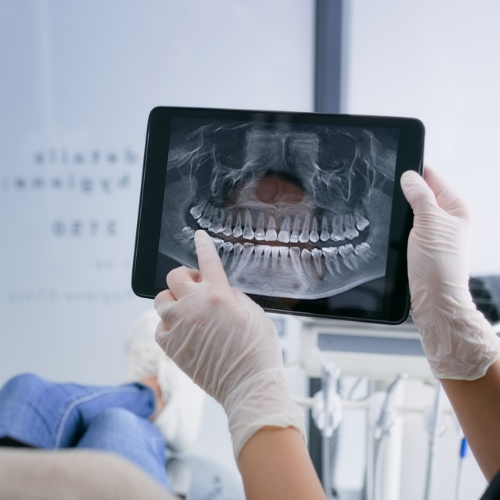
Great customer service and attentive staff! My 3 year old enjoyed his visit! Yes, I said he enjoyed it! He had to have X-rays done, and I was so worried that he wasn't gonna be a happy camper but the X-ray tech, Dominique, is so good with kids! The X-rays were fast and painless! Overall a great experience!

“Surpasses my expectations!”
Amazing staff! My experience at Bellflower Dental Group was outstanding. I highly recommend this dental group. I come to them for my braces, their ortho is incredible, the highlight of this dental group. The staff is amazing, their employees are so kind and take the time to perfect your braces.

“I love this dental office!”
I have been coming here for years. It is a one-stop-shop! You can get your x-rays, cleaning, braces, labs, dentures, toothbrushes, and more all right here. The staff is great, and they try to work with you if you need a payment plan. Never had any issues with any of the work done here!
“Great customer service!”
Great customer service and attentive staff! My 3 year old enjoyed his visit! Yes, I said he enjoyed it! He had to have X-rays done, and I was so worried that he wasn't gonna be a happy camper but the X-ray tech, Dominique, is so good with kids! The X-rays were fast and painless! Overall a great experience!
“Surpasses my expectations!”
Amazing staff! My experience at Bellflower Dental Group was outstanding. I highly recommend this dental group. I come to them for my braces, their ortho is incredible, the highlight of this dental group. The staff is amazing, their employees are so kind and take the time to perfect your braces.
Check out our accreditations, sources, and relationships in the wide world of dentistry...


Check us out and follow our Bellflower, CA practice on social media...


