Do Veneers Stain? What Every Patient Should Know Before Getting One
Wondering if veneers stain over time? Bellflower Dental Group explains what causes discoloration and how to keep your smile bright. Call today.
Read More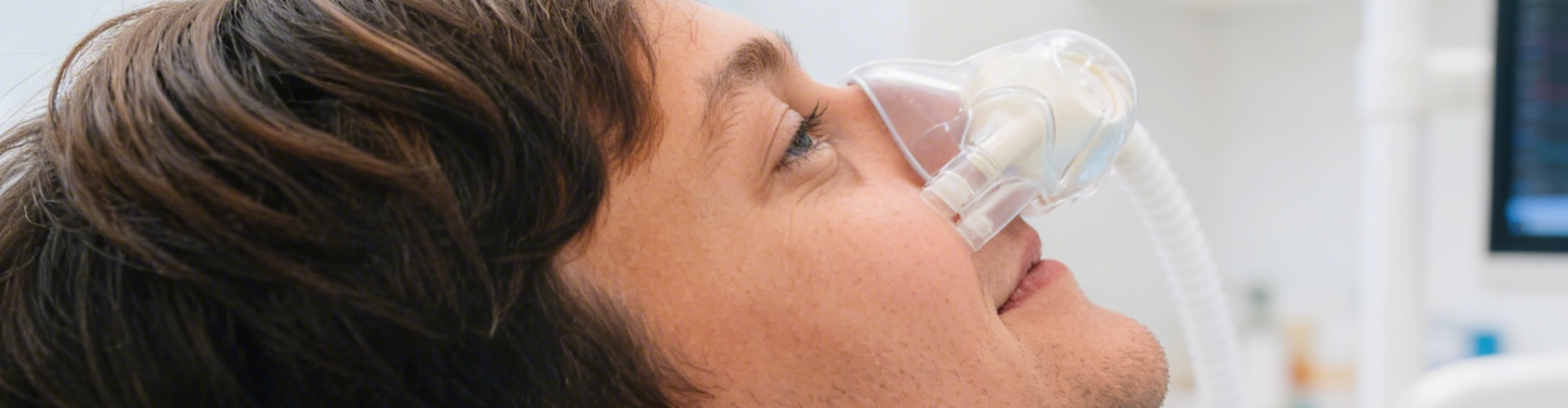
Look, I get it—dental anxiety is real. I've been practicing dentistry in Bellflower for years, and many patients walk through the door worried about pain or discomfort. That's where sedation dentistry comes in; it's changed how we help people get the care they need without the fear.
But here's the thing: most folks don't truly understand sedation dentistry. They've got questions and concerns, and rightfully so—after all, we're talking about medications that alter consciousness during treatment.
I had a patient recently who avoided dental work for three years due to anxiety. After we discussed sedation options and what they actually feel like, she finally scheduled her appointment. The relief on her face afterward was something I won't forget.
So let's talk about the real questions I hear every day in my Bellflower practice: What does sedation feel like? Is it dangerous? Will you still feel pain? I'll give you straight answers based on current American Dental Association guidelines and my experience with hundreds of patients.
Honestly, this is the first thing everyone asks. And I get it—putting yourself under any kind of sedation sounds risky. But the short answer? When done properly, sedation dentistry is remarkably safe.
Here's what matters: the level of sedation and who's administering it. Sedation ranges from minimal (you're awake and relaxed) to moderate conscious sedation (drowsy but responsive) to deep sedation and general anesthesia. The deeper you go, the more monitoring and expertise are required.
The American Dental Association has strict guidelines. For moderate sedation alone, dentists need at least 60 hours of specialized training plus hands-on experience with at least 20 patients. That's not a weekend course. We also maintain equipment for continuous monitoring—blood pressure, heart rate, oxygen saturation, the works.
But I won't sugarcoat it. Risks exist. Airway obstruction, respiratory depression, cardiovascular issues—these can happen if protocols aren't followed or if sedation goes deeper than intended. That's why we do thorough pre-sedation evaluations, considering your medical history, current medications, and fasting status.
My theory is that some dental offices underestimate how quickly minimal sedation can become moderate or deep. At Bellflower Dental Group, we're trained to manage deeper sedation levels even if we only plan for minimal, because bodies don't always follow the plan.
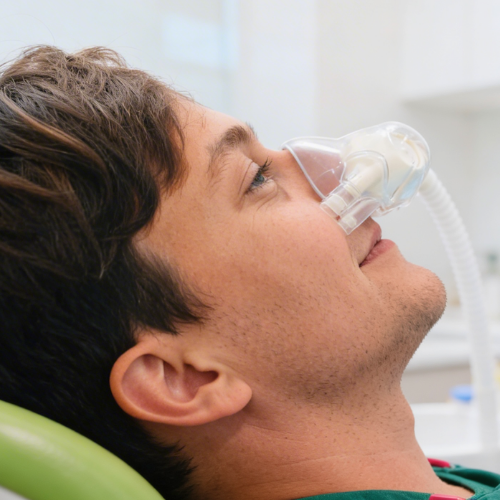
Nitrous oxide—laughing gas—is probably the safest option. It has rapid onset, is easy to adjust, and you recover within minutes. It's minimal sedation with an excellent safety profile. Oral sedation is also quite safe, though it's less predictable. IV sedation? Very controllable but requires more advanced training and monitoring.
The bottom line? When administered by properly trained dentists in equipped facilities with continuous monitoring, sedation dentistry's risks are minimal. But—and this matters—you need to choose a practice that follows current guidelines and doesn't cut corners.
This is where things get interesting. People expect they'll just "go to sleep," but conscious sedation doesn't work that way. You're not unconscious—you're in this weird in-between state that's actually pretty pleasant, according to StatPearls.
Here's what my patients tell me: you feel deeply relaxed, almost like you've had a couple of drinks. Your anxiety melts away. Time gets fuzzy—what feels like five minutes might be an hour. You can still hear me talking and will respond if I ask you to open wider, but you probably won't remember much afterward.
That memory thing? That's the amnesia effect, especially with medications like midazolam. I had a patient recently who swore we never did the procedure because she had zero recollection. We had to show her the before-and-after photos!
You maintain your protective reflexes under conscious sedation. That means you're breathing on your own, your airway stays open, and you'll cough or gag if you need to (a safety feature). You're responsive to verbal commands or light touch—not totally out of it.
The experience varies based on the medication route. Oral sedation builds gradually, taking 30-60 minutes to kick in. You'll feel progressively drowsier, but onset is slower and less predictable. Some people get very sleepy; others just find it takes the edge off their anxiety.
IV sedation works faster—within minutes—and we can adjust the depth on the fly. This controllability is why many dentists (including me) prefer it for longer or more complex procedures.
Nitrous oxide is different altogether. It's light, dreamy, sometimes giggly. You feel floaty but completely aware. And within five minutes of removing the mask, you're back to normal—clear-headed enough to drive home, which isn't true for oral or IV sedation.
Conscious sedation isn't one feeling; it's a spectrum. Your experience depends on the medication, dose, your individual response, and your starting anxiety level.
Look, I need to be clear about this because there's a lot of confusion: oral sedation reduces your anxiety and your awareness of pain, but it doesn't eliminate pain sensation completely. That's not what it's designed for.
Sedation and anesthesia are different tools. Oral sedation relaxes you and dampens your perception of discomfort, but we still use local anesthesia (numbing injections) to actually block pain signals. The sedation just makes you not care as much about the needle or the procedure itself.
Here's what happens in your brain: sedatives affect your awareness and memory formation, as research from the Japanese Dental Society of Anesthesiology explains. You might feel something during the procedure, but you're so relaxed you don't react much, and you often won't remember it afterward. Which, fair enough, is almost as good as not feeling it.
I had a patient last year who was terrified of injections. We gave her oral sedation about an hour before, and by the time she was in the chair, she was so calm that when I gave her the numbing shot, she barely flinched. Did she feel it? Probably. Did she care? Not really. Did she remember it? Nope.
But—and this is critical—if the local anesthesia isn't working properly, you can still experience pain even with oral sedation. The sedation might make you less reactive or less able to clearly communicate discomfort, which is why continuous monitoring and communication are so important. We need to watch for signs of distress even if you're not actively complaining.
Actually, here's my slightly controversial opinion: some dentists over-rely on sedation as a substitute for good pain management technique. Sedation makes patients compliant, sure, but it's not a replacement for adequate local anesthesia and gentle technique. The best outcomes come from combining both—proper numbing plus appropriate sedation for anxiety.
The oral route has some quirks, according to clinical guidelines. It's inherently safer than IV due to first-pass liver metabolism, but it's also less predictable. The same dose might hit different people differently—body weight, metabolism, diet, anxiety level, all affect it. And it's slower; you can't quickly reverse or adjust it like with IV sedation.
Pain perception under oral sedation? You're usually aware of pressure and movement, but sharp pain should still trigger a response. If you're properly numbed and appropriately sedated, the experience should be comfortable. Not always pain-free in every moment, but manageable and forgettable.
If you've been putting off dental treatment due to fear or anxiety, you don't have to keep suffering. We offer safe, monitored sedation options right here in Bellflower, tailored to your specific needs and comfort level.
Whether you need minimal sedation with nitrous oxide or something deeper for complex procedures, we follow strict ADA protocols with continuous monitoring and trained staff. Honestly, seeing patients finally get the care they need without the fear makes this work incredibly rewarding.
Schedule a consultation at Bellflower Dental Group to discuss which sedation option might work best for you. We serve patients throughout Bellflower, Downey, and Southeast Los Angeles. Let's talk about your concerns, answer your questions, and create a plan that gets you comfortable—and gets your smile healthy.
Medical Disclaimer: This content is for informational purposes only and does not replace professional medical advice, diagnosis, or treatment. Always consult with a qualified healthcare provider.
Fresh news from the dental world...


Mon - Fri 9AM - 6PM
Saturday 9AM - 3PM
Sunday Closed
Check out what our patients are saying in Bellflower, CA...


“Great customer service!”
Great customer service and attentive staff! My 3 year old enjoyed his visit! Yes, I said he enjoyed it! He had to have X-rays done, and I was so worried that he wasn't gonna be a happy camper but the X-ray tech, Dominique, is so good with kids! The X-rays were fast and painless! Overall a great experience!

“Surpasses my expectations!”
Amazing staff! My experience at Bellflower Dental Group was outstanding. I highly recommend this dental group. I come to them for my braces, their ortho is incredible, the highlight of this dental group. The staff is amazing, their employees are so kind and take the time to perfect your braces.

“I love this dental office!”
I have been coming here for years. It is a one-stop-shop! You can get your x-rays, cleaning, braces, labs, dentures, toothbrushes, and more all right here. The staff is great, and they try to work with you if you need a payment plan. Never had any issues with any of the work done here!
“Great customer service!”
Great customer service and attentive staff! My 3 year old enjoyed his visit! Yes, I said he enjoyed it! He had to have X-rays done, and I was so worried that he wasn't gonna be a happy camper but the X-ray tech, Dominique, is so good with kids! The X-rays were fast and painless! Overall a great experience!
“Surpasses my expectations!”
Amazing staff! My experience at Bellflower Dental Group was outstanding. I highly recommend this dental group. I come to them for my braces, their ortho is incredible, the highlight of this dental group. The staff is amazing, their employees are so kind and take the time to perfect your braces.
Check out our accreditations, sources, and relationships in the wide world of dentistry...


Check us out and follow our Bellflower, CA practice on social media...


