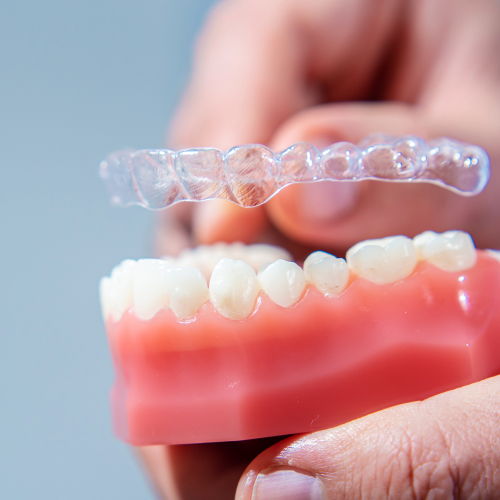
Why Your Invisalign Trays Aren't Fitting Right — and What to Do About It
Struggling with Invisalign gaps or tracking issues in Bellflower? Learn what's normal, what's not, and when refinements may help. Call us today.
Read More
Sleep apnea, a common yet often overlooked sleep disorder, can significantly impact one’s health and quality of life. In this blog, we delve deep into understanding and naturally managing sleep apnea, with insights from our dental clinic's expertise. If you're struggling with sleep apnea or know someone who is, keep reading to learn more and consider scheduling a consultation for personalized guidance.
Sleep apnea is more than just snoring or a disturbed night’s sleep; it's a serious condition where your breathing stops and starts repeatedly during rest. These breathing pauses can last from a few seconds to minutes and may occur 30 times or more an hour. This pattern can lead to a decrease in sleep quality and, over time, result in various health complications such as high blood pressure, heart problems, and type 2 diabetes.
Lifestyle Changes and Remedies
Weight Management: Obesity is a primary risk factor for sleep apnea. Excess weight, particularly around the neck, can put pressure on the airway, causing it to collapse during sleep. This is why weight loss is often the first line of defense against sleep apnea. Even a modest weight reduction can open up the throat and improve sleep apnea symptoms. This doesn't imply that everyone with sleep apnea is overweight, but if you are, shedding some pounds can provide significant relief.
Positional Therapy: The position in which you sleep can significantly impact sleep apnea symptoms. Back-sleepers are more prone to experience airway blockages, as gravity can cause the tongue and soft tissues to fall back. Switching to side sleeping using positional pillows or even a tennis ball sewn into the back of a pajama top can prevent you from rolling onto your back.
Exercise Regularly: Regular exercise can have an immense impact on sleep apnea. Activities that strengthen the heart and lungs reduce the severity of sleep apnea. Moreover, exercises targeting the throat muscles can help keep the airway open during sleep. Yoga, with its emphasis on breathing techniques, can be particularly beneficial.
Avoid Alcohol and Smoking: Alcohol and sedatives relax the muscles in the throat, which can worsen sleep apnea. Similarly, smoking can increase inflammation and fluid retention in the upper airway. Quitting these habits may be challenging, but they can significantly improve sleep apnea symptoms.
Healthy Sleep Habits: Good sleep hygiene can go a long way in managing sleep apnea. Maintaining a regular sleep schedule, ensuring a comfortable and quiet sleep environment, and avoiding stimulants like caffeine close to bedtime can help improve the quality of your sleep. Also, consider using a humidifier if your environment is dry, as it can help open airways by reducing congestion.
The Role of Dental Offices
Dental professionals play a crucial role in sleep apnea management. At our clinic, we offer custom-fitted oral appliances, which are effective alternatives to CPAP (Continuous Positive Airway Pressure) machines. These devices, resembling mouthguards, gently reposition the lower jaw and tongue forward, keeping the airway open. We recommend scheduling a consultation for a thorough evaluation and fitting of an oral appliance suited to your needs.
The misconception that only overweight individuals can have sleep apnea is widespread. However, skinny or average-weight people can also be affected. Factors like genetics, the structure of the jaw and airway, and muscle tone play significant roles.
Risk Factors Beyond Weight
Genetic Predisposition: Certain inherited traits, like a narrow throat or a recessed chin, can increase the risk of sleep apnea.
Age and Gender: Older individuals and males are at a higher risk, although sleep apnea can affect anyone.
Lifestyle Factors: Smoking, alcohol use, and sedentary lifestyles are risk factors that can affect people regardless of their weight.
Importance of Early Detection
Regardless of body weight, it's crucial to seek professional advice if you suspect sleep apnea. Our clinic offers comprehensive assessments to identify the condition and provide suitable treatment plans.
Sleep position can greatly influence sleep apnea symptoms. The best position is often patient-specific, but generally, sleeping on the side is recommended.
Side Sleeping Benefits
Reduces Airway Collapse: Side sleeping helps keep the airway open by preventing the tongue and soft tissues in the throat from obstructing it.
Improves Neck Alignment: Proper pillow support while side sleeping can align the neck and airway, further reducing obstruction risks.
Experimenting with Position
We encourage patients to experiment with different sleep positions to find what works best for them. Positional therapy can be a simple yet effective way to manage sleep apnea symptoms naturally.
Sleep apnea is a complex and often misunderstood condition, but it doesn't have to dictate the quality of your life. With the right combination of natural strategies and professional guidance, many individuals find significant relief from its symptoms. Our dental clinic is deeply committed to this cause, offering not just treatment but a partnership in your journey towards better sleep health.
Comprehensive Support for Your Needs
Understanding that each individual’s experience with sleep apnea is unique, we provide personalized care tailored to your specific circumstances. Our approach goes beyond mere symptom management; we aim to address the root causes of your sleep apnea. By combining lifestyle modifications with innovative dental solutions, we strive to offer a holistic treatment plan that fits seamlessly into your life.
The Importance of Proactive Care
Remember, sleep apnea is more than a nighttime inconvenience; it can have serious implications for your overall health, affecting everything from your heart health to your mental well-being. This is why proactive management is essential. Addressing sleep apnea can lead to improved energy levels, better concentration, and a lower risk of health complications.
Our Commitment to Your Health
At our clinic, we are not just treating a condition; we are caring for individuals. Our team of experts is dedicated to providing compassionate, knowledgeable care. We stay updated with the latest advancements in sleep apnea treatment to ensure that you receive the most effective care possible.
We invite you to take the first step towards conquering sleep apnea. If you are experiencing symptoms or have concerns about your sleep health, don’t hesitate to reach out. Schedule a consultation with us to explore a personalized approach to improving your sleep and, consequently, your overall health and quality of life.
Fresh news from the dental world...



Mon - Fri 9AM - 6PM
Saturday 9AM - 3PM
Sunday Closed
Check out what our patients are saying in Bellflower, CA...


“Great customer service!”
Great customer service and attentive staff! My 3 year old enjoyed his visit! Yes, I said he enjoyed it! He had to have X-rays done, and I was so worried that he wasn't gonna be a happy camper but the X-ray tech, Dominique, is so good with kids! The X-rays were fast and painless! Overall a great experience!

“Surpasses my expectations!”
Amazing staff! My experience at Bellflower Dental Group was outstanding. I highly recommend this dental group. I come to them for my braces, their ortho is incredible, the highlight of this dental group. The staff is amazing, their employees are so kind and take the time to perfect your braces.

“I love this dental office!”
I have been coming here for years. It is a one-stop-shop! You can get your x-rays, cleaning, braces, labs, dentures, toothbrushes, and more all right here. The staff is great, and they try to work with you if you need a payment plan. Never had any issues with any of the work done here!
“Great customer service!”
Great customer service and attentive staff! My 3 year old enjoyed his visit! Yes, I said he enjoyed it! He had to have X-rays done, and I was so worried that he wasn't gonna be a happy camper but the X-ray tech, Dominique, is so good with kids! The X-rays were fast and painless! Overall a great experience!
“Surpasses my expectations!”
Amazing staff! My experience at Bellflower Dental Group was outstanding. I highly recommend this dental group. I come to them for my braces, their ortho is incredible, the highlight of this dental group. The staff is amazing, their employees are so kind and take the time to perfect your braces.
Check out our accreditations, sources, and relationships in the wide world of dentistry...


Check us out and follow our Bellflower, CA practice on social media...


