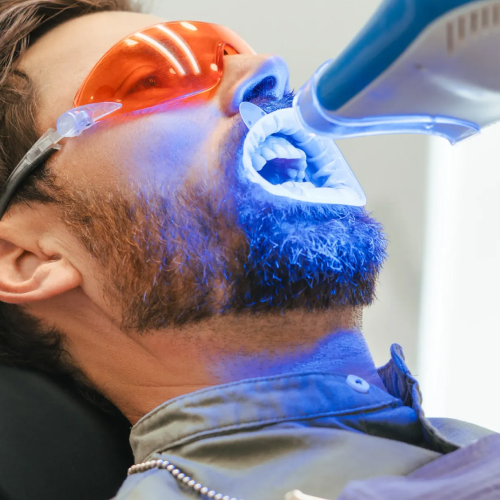
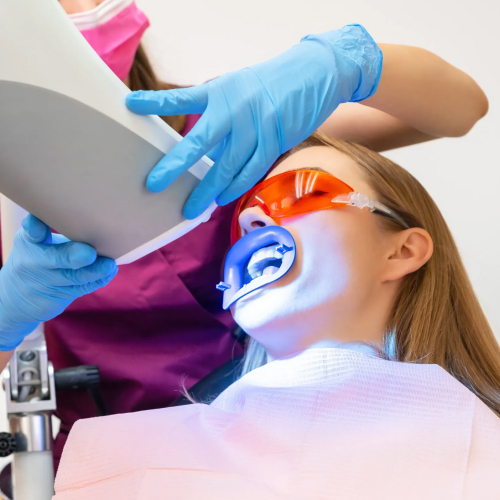
How Long Does Professional Teeth Whitening Actually Take to Work?
Bellflower patients: how long professional teeth whitening actually takes to work, why results vary by patient, and when you'll see shade changes. Book today.
Read More
Are you experiencing jaw pain, headaches, or discomfort while chewing? You might be dealing with Temporomandibular Joint Disorder (TMJ), a condition that affects many but is often misunderstood. In this comprehensive blog, we'll explore the intricate world of TMJ — from identifying its symptoms to finding effective relief and understanding the journey towards recovery.
TMJ can be a perplexing condition, presenting symptoms that overlap with various other disorders, leading to confusion and misdiagnosis. Our aim is to shed light on this complexity, offering expert insights into what exactly TMJ is, what conditions mimic its symptoms, and how to differentiate them for accurate diagnosis. We'll also discuss immediate and long-term strategies for relief, and delve into the healing process, providing you with a clear understanding of what to expect and how to manage this condition.
Whether you're seeking initial information about TMJ, looking for ways to alleviate discomfort, or curious about the recovery timeline, this blog is designed to guide you through the nuances of TMJ. With our expertise and commitment to patient care, we hope to offer valuable knowledge and support, enhancing your path to improved jaw health and overall well-being. Let's unravel the mysteries of TMJ together and find effective solutions for a pain-free life.
Temporomandibular Joint Disorder (TMJ) is a multifaceted condition that impacts the joint connecting your jaw to your skull. Distinguishing TMJ from other conditions with similar symptoms is crucial for appropriate diagnosis and treatment. Several ailments can manifest symptoms akin to TMJ, leading to potential misdiagnosis and ineffective treatment approaches.
Signs and Symptoms: Beyond the Basics of Jaw Pain
While TMJ is primarily known for causing pain and discomfort in the jaw area, its symptomatology extends far beyond. Individuals with TMJ may experience a range of symptoms, such as persistent headaches, earaches, difficulty in chewing, facial pain, and even neck and shoulder discomfort. These symptoms can intensify during stressful periods or when engaging in activities that strain the jaw.
However, these manifestations are not solely characteristic of TMJ. They can be indicative of various other conditions, creating a diagnostic challenge. For example, symptoms like earaches and headaches might be mistaken for sinus infections, while facial pain can be misinterpreted as neuralgia or migraine. Similarly, neck pain could be attributed to cervical spine disorders, and difficulties in chewing might lead to suspicions of dental issues like tooth decay or periodontal disease.
Exploring Common TMJ Mimickers
Several conditions commonly mistaken for TMJ include:
Differential Diagnosis: The Cornerstone of Effective Treatment
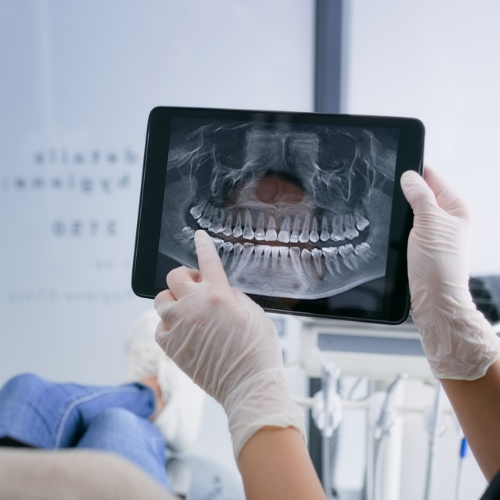
In our dental office, we prioritize a comprehensive approach to diagnosing TMJ. This involves a detailed examination of your medical history, physical examination of the jaw and face, and possibly imaging tests like X-rays or MRIs. This thorough process is pivotal as treatment strategies vary considerably based on the underlying cause. For instance, while TMJ might respond well to physical therapy, dental splints, or muscle relaxants, tooth decay would necessitate restorative dental procedures. Similarly, if a psychological factor is contributing to TMJ-like symptoms, stress management and counseling may be recommended.
The complexity of diagnosing TMJ underscores the importance of seeking professional care. Misdiagnosis can lead to ineffective or even harmful treatments. Our dental team is dedicated to providing accurate diagnoses and tailored treatment plans, ensuring that you receive the care you need for your specific condition.
Understanding what mimics TMJ is the first step towards receiving the right treatment and finding relief. If you're experiencing any symptoms resembling TMJ, don't hesitate to schedule a consultation with us. We're here to help you navigate through the complexities of jaw disorders and embark on a path to recovery and well-being.
While managing TMJ often involves long-term strategies, there are immediate relief methods you can try at home or with professional help.
Home Remedies: Simple Yet Effective
Simple lifestyle changes and home remedies can provide quick relief from TMJ symptoms. This includes stress reduction techniques, such as meditation or yoga, to alleviate jaw clenching. Applying heat or cold packs to the jaw area can also reduce pain and inflammation.
Professional Interventions: When to Seek Help
If home remedies aren't enough, our dental office offers specialized treatments for TMJ. These may include physical therapy, custom-made mouthguards, or even Botox injections to relax the jaw muscles. Don't hesitate to schedule a consultation with us for personalized care and fast relief.
The duration of TMJ recovery varies depending on the severity of the condition and the effectiveness of the treatment.
Individual Healing Times: No One-Size-Fits-All Answer
TMJ recovery can range from a few weeks to several months. It's important to remember that every individual's healing process is different. Factors like the severity of symptoms, consistency in following treatment plans, and overall health play a significant role in recovery time.
Ongoing Management: The Key to Long-Term Relief
Managing TMJ is a long-term commitment. Alongside treatment, lifestyle adjustments, such as maintaining good posture, avoiding excessive jaw movements, and practicing relaxation techniques, are crucial for preventing symptom recurrence.
TMJ can be a challenging condition, but with the right knowledge and care, relief and recovery are within reach. Our dental office is committed to providing comprehensive and compassionate care for TMJ sufferers. Whether you're experiencing symptoms that mimic TMJ or seeking fast relief, we're here to guide you on your journey to better jaw health.
Remember, early intervention is key. If you're experiencing any TMJ-like symptoms, don't wait. Schedule a consultation with us today and take the first step towards a pain-free life!
Fresh news from the dental world...


Mon - Fri 9AM - 6PM
Saturday 9AM - 3PM
Sunday Closed
Check out what our patients are saying in Bellflower, CA...


“Great customer service!”
Great customer service and attentive staff! My 3 year old enjoyed his visit! Yes, I said he enjoyed it! He had to have X-rays done, and I was so worried that he wasn't gonna be a happy camper but the X-ray tech, Dominique, is so good with kids! The X-rays were fast and painless! Overall a great experience!

“Surpasses my expectations!”
Amazing staff! My experience at Bellflower Dental Group was outstanding. I highly recommend this dental group. I come to them for my braces, their ortho is incredible, the highlight of this dental group. The staff is amazing, their employees are so kind and take the time to perfect your braces.

“I love this dental office!”
I have been coming here for years. It is a one-stop-shop! You can get your x-rays, cleaning, braces, labs, dentures, toothbrushes, and more all right here. The staff is great, and they try to work with you if you need a payment plan. Never had any issues with any of the work done here!
“Great customer service!”
Great customer service and attentive staff! My 3 year old enjoyed his visit! Yes, I said he enjoyed it! He had to have X-rays done, and I was so worried that he wasn't gonna be a happy camper but the X-ray tech, Dominique, is so good with kids! The X-rays were fast and painless! Overall a great experience!
“Surpasses my expectations!”
Amazing staff! My experience at Bellflower Dental Group was outstanding. I highly recommend this dental group. I come to them for my braces, their ortho is incredible, the highlight of this dental group. The staff is amazing, their employees are so kind and take the time to perfect your braces.
Check out our accreditations, sources, and relationships in the wide world of dentistry...


Check us out and follow our Bellflower, CA practice on social media...


