We’ve all heard of Invisalign, but fewer people understand the technology behind those sleek, clear aligners. It’s not just about appearances. There’s a quiet but powerful system driving the success of each treatment, one that’s personalized, precise, and constantly evolving.
In this blog, we’re diving into what makes Invisalign technology different, how it handles complex dental cases, and why the investment often makes sense in the long run. If you’ve ever wondered whether those nearly invisible trays can actually do the heavy lifting, this is the insight you’ve been looking for.
How is Invisalign technology different from other clear aligners?
Not all clear aligners are created equal. At a glance, they might look similar, but once you understand what goes into Invisalign’s design and delivery, the differences become hard to ignore.
SmartTrack Material:
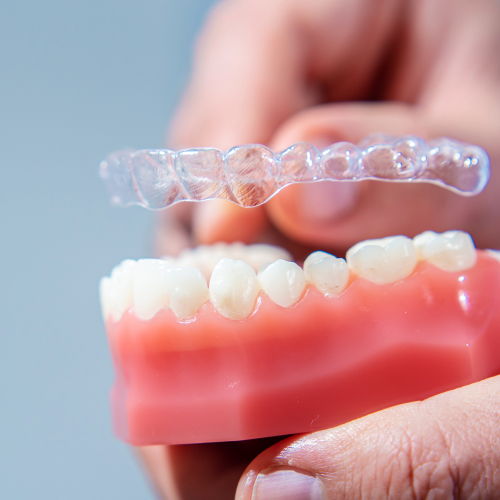
Invisalign uses a patented material called SmartTrack. Unlike generic plastic, SmartTrack is engineered to apply a gentle, consistent force. It’s this consistency that makes movements more predictable. Other aligners often rely on basic plastic that doesn’t provide the same level of precision or comfort.
SmartForce Attachments:
Invisalign’s technology includes small, tooth-colored bumps known as SmartForce attachments. These are placed on specific teeth to help achieve more complex movements, like rotations or vertical shifts. Many clear aligner systems don’t offer these attachments, limiting what they can fix.
Precision Mapping with ClinCheck® Software:
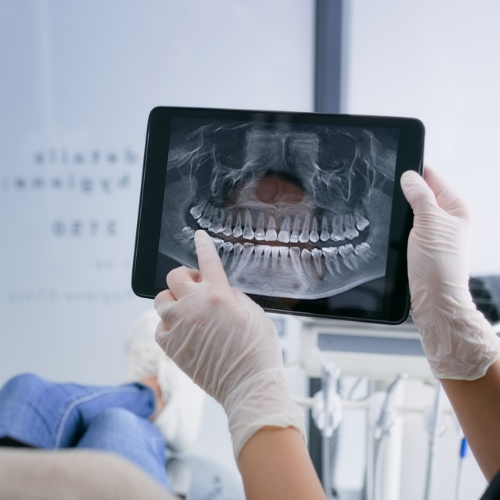
Every Invisalign treatment starts with a digital scan, not a physical mold. The ClinCheck software maps out each tooth movement down to the fraction of a millimeter. Patients can even preview their smile before treatment starts. That level of control is not something most off-brand aligners provide. And it’s not just fancy tech for the sake of it, this precision impacts outcomes.
Custom Trimming:
Generic aligners often have a straight trim line across the gum. Invisalign trims each tray to follow your unique gumline. Why does this matter? It’s more comfortable and helps the aligners stay in place better throughout the day.
Orthodontist Involvement:
Invisalign is administered by trained dentists or orthodontists. That means your treatment is monitored, adjusted, and supported by a professional, not a remote algorithm. You’re not left on your own, and issues can be addressed early before they derail your progress.
In short, while other brands might promise the same smile, Invisalign delivers it with smarter tools, better design, and consistent guidance along the way.
Can Invisalign fix more complex dental issues?
Many people still assume that Invisalign is only good for mild crowding or minor spacing issues. That might have been true in its early days, but the technology has evolved significantly over the years.
Today, Invisalign can address:
It all comes down to the technology. Those SmartForce attachments we mentioned earlier? They’re key to moving teeth that traditional aligners couldn’t budge. Combined with interproximal reduction (subtle enamel reshaping) and attachments, Invisalign can create space, rotate stubborn teeth, and guide even challenging bites into healthier alignment.
Still, not every case is suitable. That’s why the consultation process matters. A dentist experienced in Invisalign will review your scan and let you know if the aligners can do the job, or if another orthodontic route would be more effective.
At Bellflower Dental Group, we’ve seen patients with cases once deemed “too difficult” complete Invisalign with excellent results. It’s not just about the aligners, it’s about working with a provider who knows how to use them well.
What is the average cost of Invisalign?
Let’s be honest, cost is one of the first questions on most people’s minds. But as tempting as it is to drop a number, the truth is that Invisalign pricing varies.
Several factors influence the cost, including:
- The complexity of your case
- The length of treatment
- How many aligners are needed
- Whether refinements or adjustments are required
- Your dental insurance coverage
- Whether you’re using financing or paying upfront
It’s also worth remembering that the “cost” of Invisalign isn’t just about the trays. It includes everything: the scans, the treatment plan, the check-ins, the refinements, and the final retainers. Think of it as an entire service, backed by real people, not a DIY kit.
There’s also value in what Invisalign helps you avoid. Traditional braces can sometimes come with emergency visits due to broken brackets or poking wires. With Invisalign, those are less likely. And fewer office visits mean less time off work or school.
More importantly, Invisalign doesn’t just straighten your smile, it supports long-term dental health. Properly aligned teeth are easier to clean, less prone to decay, and can even reduce jaw tension or uneven wear. When you look at it that way, it’s not just a cosmetic investment, it’s a preventive one, too.
Why tech-driven treatment matters
In today’s world, we expect precision in nearly everything, our phones, our maps, even our fitness trackers. Invisalign applies the same level of innovation to your dental care.
This is not a one-size-fits-all solution. Each aligner is the product of 3D imaging, software mapping, material science, and dental expertise. Your trays are engineered, not mass-produced. They follow a carefully choreographed path, where each aligner picks up where the last one left off.
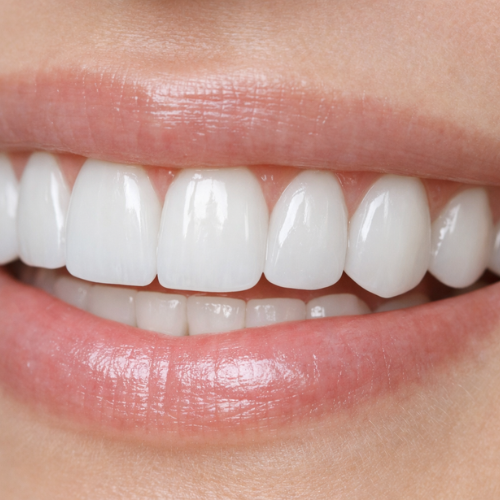
The result? A system that not only improves how your smile looks but also how your teeth function, how your bite feels, and how easy it is to maintain long-term results.
What to expect during treatment
If you’re considering Invisalign, here’s a quick walkthrough of what the process typically involves:
Step 1: Consultation:
We assess your smile and determine whether you’re a good fit for Invisalign.
Step 2: Digital Scan:
A 3D scanner captures every angle of your teeth, no goopy impressions here.
Step 3: Custom Plan:
We use software to map out your full treatment plan, including your future smile.
Step 4: Aligner Creation:
Your aligners are fabricated just for you and delivered in stages.
Step 5: Regular Check-Ins:
You’ll wear each set of aligners for about 1–2 weeks, with occasional office visits to monitor progress and make refinements if needed.
Step 6: Retainers:
After your last tray, you’ll receive custom retainers to maintain your new smile.
Throughout the journey, we’re right there with you, answering questions, adjusting plans, and making sure your smile is not just improving but thriving.
Final thoughts
Invisalign isn’t just about clear trays. It’s about technology that’s quietly doing big things behind the scenes. From the way your treatment is planned to how your teeth are guided into place, every detail is grounded in science and innovation.
If you’re curious about what Invisalign could do for your smile, we’d love to show you. At Bellflower Dental Group, we don’t just hand you aligners; we walk with you every step of the way.
Schedule your consultation today and let’s talk about how technology can bring out your best smile yet.