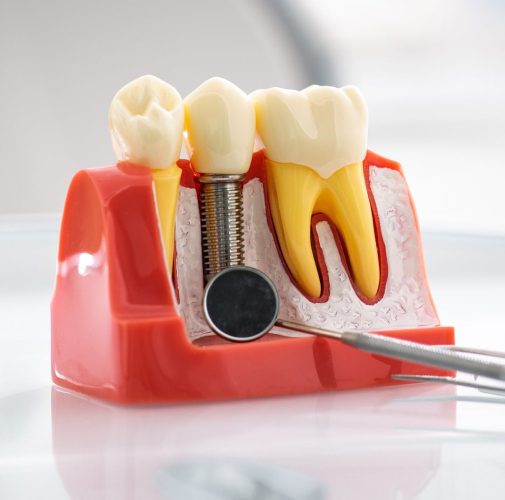
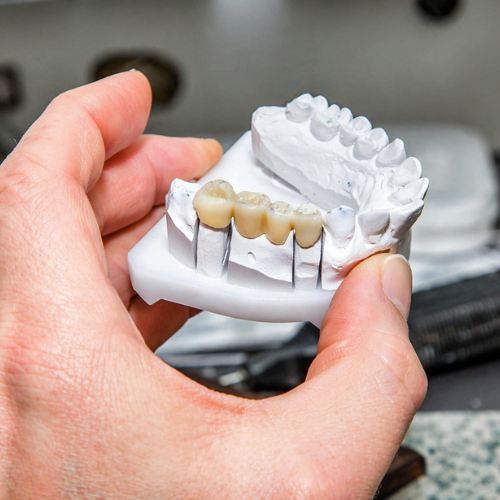
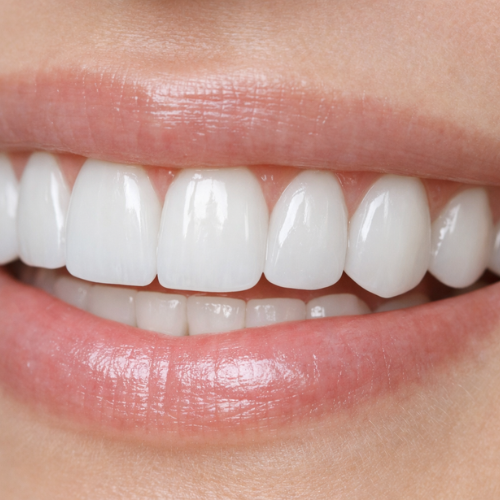
A dental crown is like a protective cap that’s custom-made to fit over a weakened or damaged tooth. The idea is simple: cover the problematic tooth with a durable shield that can withstand the pressures of chewing, biting, and everyday life, while also looking natural. Crowns can be made from various materials, including porcelain, ceramic, and metal alloys. Which material is right for you depends on factors like tooth location, how heavy your bite is, and, of course, personal preference.
While each crown placement is unique, the process generally includes assessing the health of your tooth, reshaping it to create space for the crown, and then fitting the permanent crown securely over it. Once in place, the crown acts as a tough, long-term solution that restores both the beauty and function of your tooth.
But enough with the technicalities—you’re here because you want to know how it feels, what to expect, and why so many people opt for dental crowns. Let’s get into some of the most common questions patients ask.
What Exactly Is a Dental Crown, and Why Is It Needed?
When people hear the words “dental crown,” some imagine a shiny gold tooth that makes them feel like royalty. While gold alloys are still an option, crowns come in an array of materials that can match the shade of your natural teeth. Here’s why you might need one:
- Severe Decay or Damage: If a tooth has a large cavity or a crack, a simple filling may not be enough. Fillings can repair smaller areas, but a crown covers the entire tooth, offering better protection.
- Strengthening After a Procedure: Treatments like a root canal can leave your tooth more fragile. A crown helps seal and reinforce the tooth, preventing further damage.
- Cosmetic Enhancement: A crown can correct discoloration or misshapen teeth, greatly improving your smile.
- Restoring Function: Crowns ensure you can chew properly, reducing the strain on neighboring teeth and preventing bigger issues down the line.
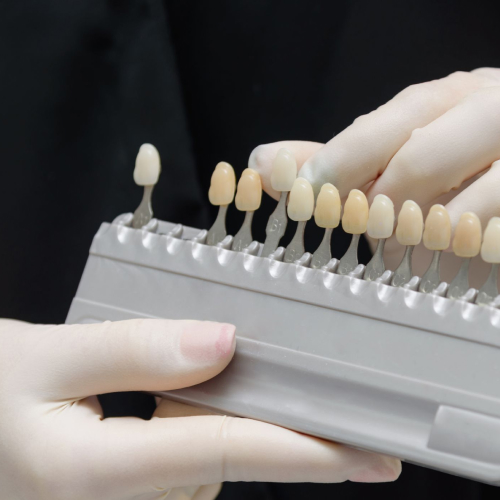
If you’re worried a crown might look bulky or out of place, fear not. Modern dental technology allows for incredibly precise measurements and color-matching. This means the crown blends seamlessly with your other teeth. It’s a bit like designing a bespoke outfit—tailored perfectly for your tooth’s shape and shade.
Will I Feel Any Pain While Getting a Dental Crown?
This is one of the most common questions—and let’s face it, nobody loves being uncomfortable, especially in the dental chair. The good news is that getting a crown placed is generally no more uncomfortable than receiving a standard filling. Here’s how the process typically goes:
- Preparation and Numbing: We start by numbing your tooth and the surrounding gum tissue so you don’t feel pain during the procedure. You might still feel some pressure or vibration, but not pain.
- Shaping the Tooth: Once everything is numb, we gently file down the tooth that will receive the crown. This step is crucial because the crown needs room to fit over the tooth properly. It’s very similar to how a tailor might take in or let out fabric for a custom fit.
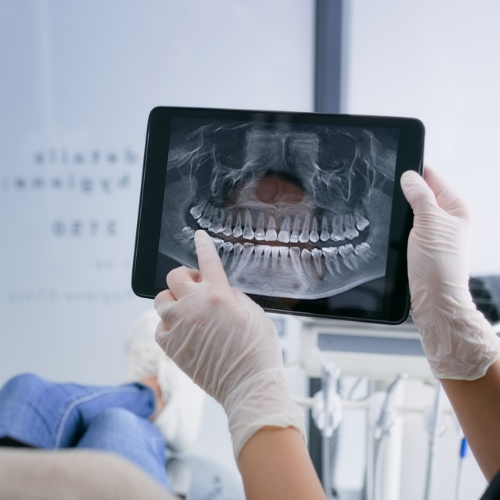
- Taking Impressions: After shaping, we take an impression or digital scan of the tooth. This helps create a custom crown designed to fit precisely on your prepared tooth. You’ll typically get a temporary crown to protect the tooth while the permanent one is being crafted.
- Fitting the Permanent Crown: When the permanent crown is ready, we place it over your tooth to check the fit, shape, and color. If everything is good to go, we cement it in place.
Throughout these steps, our team at Bellflower Dental Group focuses on your comfort. If at any point you feel sensitivity or discomfort, let us know, and we’ll make adjustments right away. After the anesthesia wears off, you might feel a bit tender or sore for a day or two. Over-the-counter pain relievers or a mild saltwater rinse usually do the trick to ease any lingering discomfort.
Do I Have to Change My Routine After Getting a Crown?
Not drastically. The beauty of a well-placed dental crown is that it feels and functions almost like your natural tooth. However, taking a few precautions can go a long way in extending the crown’s lifespan:
- Brush and Floss Regularly: This one might sound obvious, but it’s worth emphasizing. While your crown itself can’t get a cavity, the tooth structure underneath and the surrounding gum tissue can still be affected by plaque and bacteria. A daily brushing and flossing routine keeps everything clean.
- Be Mindful of Hard Foods: Crowns are durable, but biting down on extremely hard objects, like ice or hard candy, can damage them. Think of it as treating your teeth with the same care you’d give any valuable item.
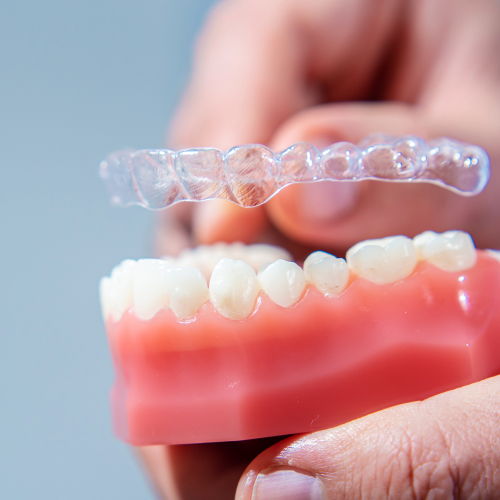
- Address Teeth Grinding (Bruxism): If you grind your teeth at night, mention it to us. A custom nightguard can protect your crown and the rest of your teeth from wear and tear.
- Schedule Regular Check-ups: Routine dental visits help us catch potential issues early. A quick look at your crown during your exam can ensure everything is still in tip-top shape.
In short, you can keep living your life as usual—enjoy your favorite foods, chat with friends, and smile confidently. Your crowned tooth will feel like a natural part of your mouth in no time.
How a Crown Transforms Your Everyday Life
So, what’s the big deal about a dental crown? Why do people rave about it? Let’s look at the real benefits you’ll experience day-to-day:
- Restored Confidence: Whether your tooth was discolored, cracked, or missing a big chunk, a crown covers all that up, giving your smile an even, natural look.
- Enhanced Comfort: With a damaged tooth, simple tasks like chewing can become painfully noticeable. A crown acts like a shield, preventing that damage from worsening and helping you chew normally again.
- Better Oral Health: When a weak tooth is left untreated, it’s more prone to breakage or infection. A crown reduces the need for more extensive procedures later on.
- Preservation of Tooth Structure: Instead of opting for an extraction when the tooth is severely compromised, a crown can often save the tooth’s root structure. That means you avoid the hassle of replacing a missing tooth with a bridge or an implant.
It might seem like a small cap is no big deal, but it can make a huge difference in your overall oral health and quality of life.
Ready to Give Your Tooth a Second Chance?
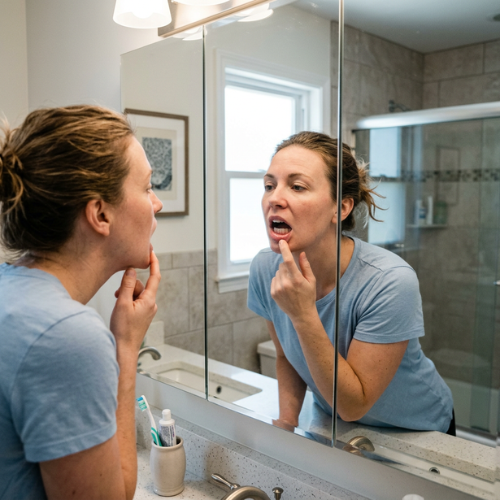
Sometimes, our teeth just need a little “pick-me-up” after years of loyal service. If you’re dealing with discomfort, sensitivity, or simply not thrilled with how your tooth looks, a dental crown might be the straightforward solution you’ve been waiting for. Whether it’s a small crack, a big cavity, or a tooth that’s been weakened by other procedures, the right crown can restore not just your tooth, but also your confidence and comfort.
Schedule Your Appointment Today
Ready to take the next step toward a healthier, more comfortable smile? Our friendly team at Bellflower Dental Group is here to walk you through the process and answer any lingering questions you might have. Give us a call or click on our online scheduling feature to book an appointment. Let’s get your tooth back in top shape so you can smile without worry.