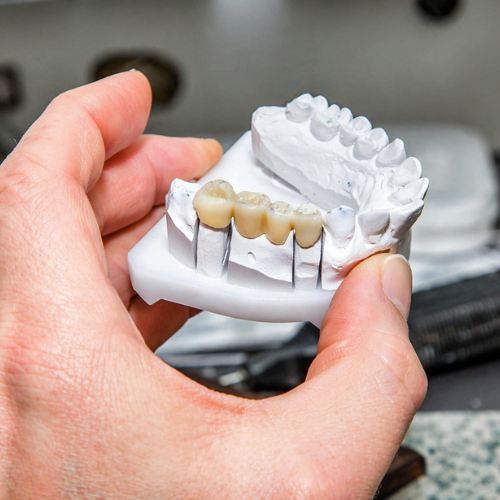
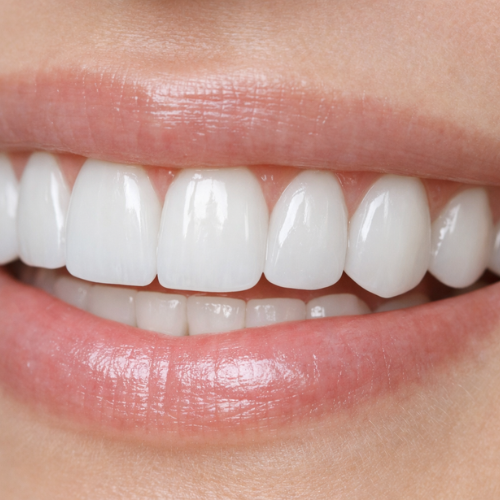
Veneers can completely transform your smile, giving you a boost of confidence every time you laugh, talk, or take a photo. Once they are bonded, they act like a natural part of your teeth. But to keep that flawless look, proper care is key. Your veneers may be strong and stain resistant, yet daily habits, diet, and dental care still matter. With the right routine, your investment in your smile can stay brilliant for years.
Below you will find everything you need to keep your veneers looking and feeling their best.
How do I keep my veneers white and stain-free?
Although porcelain veneers are more stain resistant than natural teeth, they are not completely immune to discoloration. Everyday habits play a major role in preserving their brightness.
Daily cleaning matters:
Brushing twice a day with a soft-bristled toothbrush and non-abrasive toothpaste is essential. Abrasive toothpaste can create tiny scratches on the surface where stains might settle. Flossing daily keeps the edges of the veneers free from plaque buildup, which can dull their shine.
Limit staining beverages:
Coffee, tea, red wine, and dark sodas are common culprits that can gradually discolor the bonding line between the veneer and natural tooth. Rinse with water after enjoying these drinks to reduce contact time. If possible, use a straw for iced drinks to bypass your teeth.
Professional cleanings and polishing:
Regular professional cleanings help maintain a smooth, glossy finish. Dental hygienists use specialized tools and polishing pastes that are gentle on veneers yet effective against surface buildup. These visits also give your dentist a chance to spot and fix early issues.
Lifestyle habits count:
Smoking or using tobacco can discolor natural teeth and the thin edges around veneers. Quitting or cutting back will not only protect your smile but also improve your overall health.
What foods and drinks should I avoid after getting veneers?
Veneers are designed to be durable, but they are not indestructible. Certain foods and drinks can shorten their lifespan or damage them.
Skip very hard foods:
Chewing ice, biting into hard candy, or cracking nuts can chip or crack veneers. While porcelain is strong, sudden pressure can still cause damage. Cut hard foods like raw carrots or apples into smaller pieces and chew them gently with your back teeth.
Limit sticky and chewy foods:
Sticky candies or foods like caramel and toffee can tug at the edges of veneers. Over time, this constant pulling can weaken the bond between the veneer and natural tooth.
Watch for acid and sugar:
Citrus fruits, sodas, and sugary treats create an acidic environment that wears down the bonding material over time. Enjoy these in moderation and rinse with water afterward to neutralize acid and wash away sugar.
Mind hot and cold extremes:
Very hot drinks followed quickly by something cold can cause veneers and natural teeth to expand and contract. Over time, this might lead to small cracks in the bonding. Enjoy hot drinks at a comfortable temperature and avoid rapid shifts between hot and cold.
How often should I visit the dentist for veneer maintenance?
Even with excellent brushing and flossing at home, professional checkups are the backbone of long-term veneer care. Regular dental visits protect the look and health of your veneers and natural teeth, and they also help catch issues before they become costly or painful.
Regular checkups are essential:
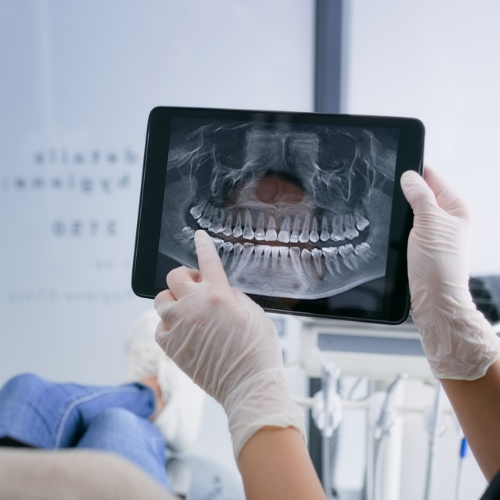
Plan to visit your dentist every six months for a complete cleaning and examination. During these visits, your dentist will check the veneers themselves as well as the teeth and gums around them. They will look for early signs of gum disease, cavities near the edges of the veneers, or small chips and cracks that might not be visible to you. Catching a problem early allows for quick, conservative treatment and saves you from expensive repairs later.
Deep professional cleaning and polishing:
Even the most diligent home care cannot remove all plaque and tartar. A professional cleaning polishes the surface of your veneers, restoring their smooth, light-reflecting finish and keeping the bonding edges healthy. Your hygienist will also show you updated brushing or flossing techniques if they notice areas that need extra attention.
Specialized care when needed:
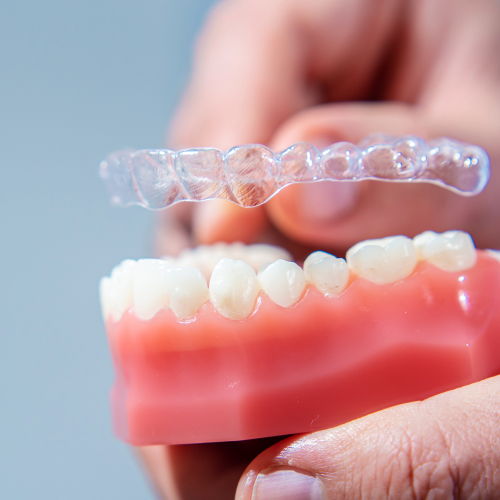
If you clench or grind your teeth at night, you may need a custom night guard. Grinding places extra pressure on veneers and natural teeth, which can lead to chips, cracks, or loosened bonds over time. A professionally fitted guard provides a comfortable barrier and protects your entire smile while you sleep. Your dentist may also recommend adjusting your bite if they notice uneven pressure points during your visit.
Long term evaluation and maintenance:
Your mouth naturally changes with age. Gums may recede slightly, teeth may shift, and bite patterns can adjust over the years. Regular visits help ensure that your veneers remain perfectly aligned and continue to look natural as these subtle changes occur. Your dentist will check the bonding and polish for signs of wear and can advise you when a refresh or replacement may eventually be needed. Some patients keep their veneers looking beautiful for well over a decade with consistent care.
Personalized follow-up schedules:
While six months is the general rule, some people benefit from more frequent visits. If you have a history of gum disease, heavy staining habits like frequent coffee drinking, or a tendency to grind your teeth, your dentist might recommend checkups every three to four months. Tailoring your schedule to your individual needs ensures that your veneers and natural teeth stay healthy and bright year after year.
By combining careful daily care at home with consistent professional checkups, you create the best possible foundation for veneers that remain strong, smooth, and radiant for many years.
Everyday habits that extend the life of veneers
- Brush and floss consistently. This prevents gum disease and decay around the veneers.
- Choose fluoride mouthwash. Fluoride strengthens the natural tooth behind each veneer.
- Wear a mouthguard for sports. Accidental impacts can damage veneers just like natural teeth.
- Stay hydrated. Water rinses away acids and keeps your mouth healthy.
By following these habits, you help your veneers maintain their shape, fit, and sparkle for many years.
Why professional care is key
Even the most careful brushing and flossing cannot replace professional care. Your dentist’s tools and expertise remove tartar and polish veneers to a glossy finish that home care alone cannot achieve. These visits also give your dentist a chance to ensure your bite remains balanced and the veneers stay firmly bonded.
Schedule your veneer checkup today
A brilliant smile is worth protecting. Whether you just got veneers or have had them for years, regular care is the secret to lasting beauty. Bellflower Dental Group provides expert cleanings, personalized care tips, and advanced treatments to keep your veneers in perfect condition.
Call Bellflower Dental Group today to schedule your appointment and keep your smile shining bright for years to come.