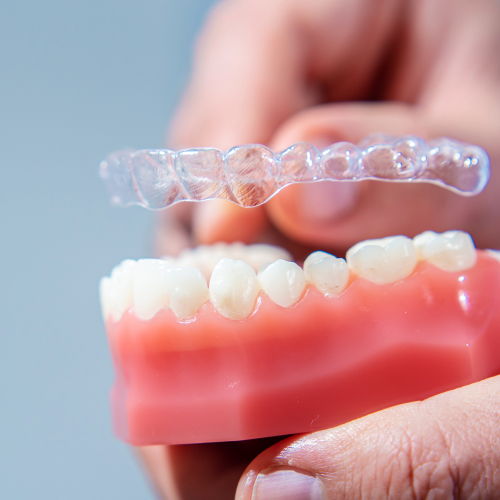
Why Your Invisalign Trays Aren't Fitting Right — and What to Do About It
Struggling with Invisalign gaps or tracking issues in Bellflower? Learn what's normal, what's not, and when refinements may help. Call us today.
Read More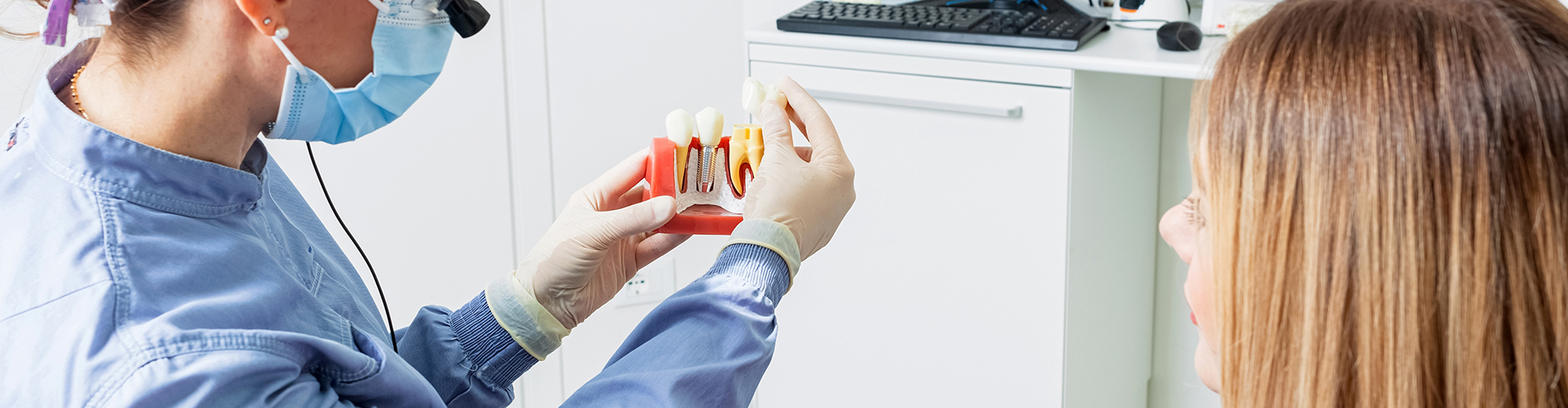
Dental implants are one of the most reliable ways to restore missing teeth, providing both functionality and aesthetics. With proper care, these implants can be a permanent solution, giving you the confidence and comfort to smile, eat, and speak without worry.
At Bellflower Dental Group, we understand how important it is to protect your investment in your oral health. Whether you’re a long-time dental implant patient or new to implants, these expert tips will help ensure they last a lifetime.
Dental implants are engineered for longevity, with the potential to last a lifetime if maintained properly. The titanium post that anchors the implant to your jawbone is incredibly durable, and with regular care, the visible crown can last 10–15 years before it may need replacement due to wear.
Factors that affect how long your dental implants last include:
Regular dental check-ups play a vital role in the longevity of implants. These visits allow your dentist to monitor the condition of the implant and surrounding tissues, addressing any minor concerns before they develop into significant problems.
Dental implants have a high success rate of around 98%, but certain factors can increase the risk of complications. Here are some common causes of implant failure:
Poor Oral Hygiene: Even though implants don’t decay like natural teeth, the surrounding gums and bone are still susceptible to plaque buildup. Without consistent brushing and flossing, bacteria can accumulate and lead to gum infections or peri-implantitis.
Smoking and Tobacco Use: Tobacco can slow healing and increase the risk of infection, especially after implant surgery. Smoking reduces blood flow to the gums, making it harder for the tissue to heal and support the implant effectively.
Bone Loss: Dental implants rely on a strong jawbone for stability. Conditions like osteoporosis or untreated periodontal disease can weaken the bone and jeopardize the implant’s foundation. Over time, this can lead to loosening or failure.
Peri-Implantitis: This condition is similar to gum disease and affects the soft and hard tissues surrounding the implant. Symptoms may include swelling, redness, and tenderness. If left untreated, it can result in bone loss and implant instability.
Bruxism (Teeth Grinding): Chronic grinding or clenching of teeth can place excessive stress on implants. This repeated pressure may cause the implant or crown to become damaged. If you grind your teeth, your dentist may recommend a custom mouthguard to protect your implants.
Trauma or Injury: Accidents or injuries to the face can damage an implant, especially if the jawbone is impacted. Taking precautions, such as wearing a protective mouthguard during physical activities, can help safeguard your implants.
Health Conditions and Medications: Certain medical conditions, such as diabetes or autoimmune disorders, can interfere with healing. Similarly, medications like bisphosphonates or steroids can affect bone health. Discuss your medical history with your dentist to ensure the best care plan for your implants.
While these factors can pose challenges, the good news is that many of them are preventable. Regular dental visits and good daily habits significantly reduce the risk of implant failure.
Dental implants are a significant investment in your oral health, and maintaining them requires attention to daily care and routine check-ups. The good news is that keeping your implants healthy is straightforward when you adopt the right habits. Here's a closer look at how you can protect your implants for years to come:
Brush Thoroughly Twice a Day: Brushing is the foundation of good oral hygiene, and this applies equally to dental implants. Use a soft-bristle toothbrush to gently clean your teeth and the area around the implant. Electric toothbrushes can also be a great option for thorough cleaning. Avoid abrasive toothpaste, as it can scratch the surface of the implant crown, leading to discoloration or a rough surface where plaque can accumulate.
Floss Daily: Flossing is essential for removing plaque and food particles from areas that brushing can’t reach. For dental implants, using special floss, interdental brushes, or a water flosser can make cleaning around the implant easier and more effective. Pay extra attention to the gum line and the base of the implant to prevent plaque buildup that can lead to infections or peri-implantitis.
Avoid Chewing Hard or Sticky Foods: While implants are durable, they are not invincible. Chewing on hard items like ice, hard candies, or tough nuts can damage the implant crown, leading to chips, cracks, or loosening. Similarly, sticky foods like caramel can put unnecessary pressure on the implant or even dislodge it over time.
Stay Hydrated: Drinking water is an often-overlooked aspect of oral health. Water helps wash away food particles and bacteria, keeping your mouth clean and reducing the risk of plaque forming around the implant. It also encourages saliva production, which naturally neutralizes harmful acids and promotes a healthier oral environment.
Maintain a Healthy Diet: A well-balanced diet rich in nutrients supports both your overall health and oral health. Calcium and Vitamin D are particularly important for maintaining strong bones and gum tissue, which provide the foundation for your dental implants. Incorporating foods like leafy greens, dairy products, and fatty fish can help strengthen the structures supporting your implants.
Quit Smoking: If you’re a smoker, quitting can significantly improve the longevity of your dental implants. Smoking reduces blood flow to the gums, impairs healing, and increases the risk of infections, particularly after implant surgery. By cutting out tobacco products, you not only improve your overall health but also create an optimal environment for your implants to thrive.
Schedule Regular Cleanings and Exams: Professional cleanings and dental exams are critical for maintaining the health of your implants. At Bellflower Dental Group, we take special care to monitor the condition of your implants, gums, and surrounding tissues. Regular visits allow us to catch any early signs of complications, such as inflammation or bone loss, and address them promptly. Cleanings also ensure that plaque and tartar buildup are effectively removed, reducing the risk of peri-implantitis.
Dental implants are a powerful solution to restore your smile, and with the right care, they can last a lifetime. By following these guidelines and working closely with your dentist, you can enjoy the benefits of your implants for years to come.
At Bellflower Dental Group, we specialize in providing personalized care to help you maintain your dental health. Whether it’s time for your routine cleaning or you have questions about your implants, we’re here to help. Schedule an appointment today to keep your smile healthy, beautiful, and strong for life!
Fresh news from the dental world...






Mon - Fri 9AM - 6PM
Saturday 9AM - 3PM
Sunday Closed
Check out what our patients are saying in Bellflower, CA...


“Great customer service!”
Great customer service and attentive staff! My 3 year old enjoyed his visit! Yes, I said he enjoyed it! He had to have X-rays done, and I was so worried that he wasn't gonna be a happy camper but the X-ray tech, Dominique, is so good with kids! The X-rays were fast and painless! Overall a great experience!

“Surpasses my expectations!”
Amazing staff! My experience at Bellflower Dental Group was outstanding. I highly recommend this dental group. I come to them for my braces, their ortho is incredible, the highlight of this dental group. The staff is amazing, their employees are so kind and take the time to perfect your braces.

“I love this dental office!”
I have been coming here for years. It is a one-stop-shop! You can get your x-rays, cleaning, braces, labs, dentures, toothbrushes, and more all right here. The staff is great, and they try to work with you if you need a payment plan. Never had any issues with any of the work done here!
“Great customer service!”
Great customer service and attentive staff! My 3 year old enjoyed his visit! Yes, I said he enjoyed it! He had to have X-rays done, and I was so worried that he wasn't gonna be a happy camper but the X-ray tech, Dominique, is so good with kids! The X-rays were fast and painless! Overall a great experience!
“Surpasses my expectations!”
Amazing staff! My experience at Bellflower Dental Group was outstanding. I highly recommend this dental group. I come to them for my braces, their ortho is incredible, the highlight of this dental group. The staff is amazing, their employees are so kind and take the time to perfect your braces.
Check out our accreditations, sources, and relationships in the wide world of dentistry...


Check us out and follow our Bellflower, CA practice on social media...


