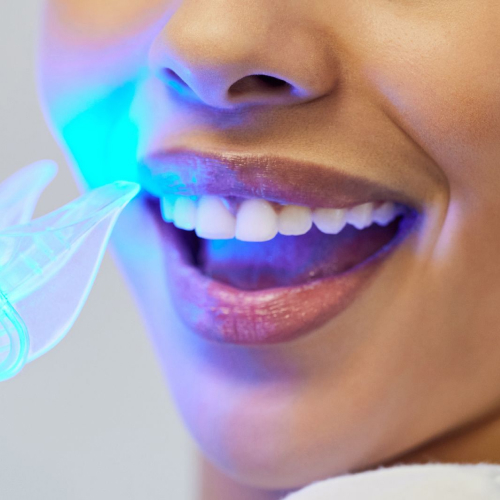
Professional Teeth Whitening vs. DIY: What's Actually Safer?
Discover if professional teeth whitening is safer than DIY methods. Compare in-office results to home kits and toothpaste. Schedule your consultation now!
Read More
At Bellflower Dental Group, we meet patients from all walks of life, each carrying their own experiences, comfort levels, sensitivities, and challenges. Some feel at ease the moment they sit in the chair. Others need a slower pace, a gentler approach, or additional support to feel safe. This is especially true for individuals with special needs who may face sensory sensitivities, communication differences, anxiety, physical limitations, or medical conditions that make routine dental care more difficult.
Sedation dentistry has become a life-changing option for many of these patients. The goal is not simply to make an appointment easier. It is to create a dental experience where a patient feels understood, respected, and cared for at their own pace. When sedation is used thoughtfully and safely, it opens the door for healthier smiles for people who once struggled to receive even the most basic care.
In this blog, we will walk through how sedation supports patients with special needs, who benefits most from it, what happens behind the scenes before sedation is chosen, and how Bellflower Dental Group ensures every choice is made with dignity and compassion. The goal is to help you understand sedation not as a last resort but as a personalized tool that makes dental care accessible, safe, and calm for those who need it.
There is a common misconception that sedation is only for major procedures or extreme fear. In reality, sedation dentistry spans a wide spectrum. Some patients simply need a mild relaxation effect to get through a cleaning or filling. Others may require deeper sedation to stay still and comfortable during a longer or more stimulating procedure.
For many individuals with special needs, stimulation itself can be the challenge. Bright lights, sounds, the sensation of tools, or prolonged periods of sitting still can become overwhelming. Sedation can help regulate these sensory inputs so the patient is not fighting their own discomfort for the entire appointment.
Sedation also allows the dental team to work more efficiently and safely, especially when the patient faces involuntary movements, difficulty understanding instructions, or anxiety that makes cooperation harder. Each situation is unique, which is why sedation dentistry for special needs is highly personalized.
Before any sedation is chosen, the dentist takes time to understand the patient's physical health, emotional needs, triggers, communication style, and behavioral patterns. This is essential. Sedation is safe when performed with careful evaluation and the right level of support.
This preparation often includes:
• Reviewing medical history
• Understanding daily medications
• Assessing physical limitations
• Considering past dental or medical experiences
• Identifying sensory sensitivities
• Learning what helps the patient feel calm
• Discussing the procedure and expected duration
• Planning for after care and recovery
Parents, guardians, or caregivers play a major role in this step. The dentist will ask questions that help them understand how the patient responds in everyday environments. This information helps shape the sedation plan so it aligns with the patient’s needs, not just the dental procedure.
Sedation options range from mild to deeper support, and the safest choice depends on the individual's health, behavior, and the length or complexity of the appointment.
Nitrous Oxide (Laughing Gas): Nitrous oxide is often the first choice for mild to moderate anxiety or sensory discomfort. It takes effect quickly, wears off fast, and helps patients feel relaxed without losing consciousness. It is gentle enough for many children and adults with special needs who only need a slight reduction in anxiety.
Oral Sedation: Oral medication can help patients who need more support than nitrous oxide alone. It allows the patient to remain awake but more relaxed and less reactive to stimulation. It is useful for those who need a longer calming effect or who struggle with touch, sound, or the unfamiliarity of the dental setting.
IV Sedation: IV sedation provides a deeper level of relaxation and is often recommended for patients who cannot tolerate dental procedures due to movement, severe anxiety, or complex medical or developmental needs. The patient remains conscious but largely unaware of the sensations around them.
General Anesthesia: General anesthesia is used only when absolutely necessary, usually for patients who cannot safely undergo treatment while awake or partially awake. It is performed with an anesthesiologist present and is typically reserved for extensive treatments or for individuals whose medical condition requires total sedation for safety.
In every case, the dentist evaluates the patient’s safety first. No sedation is chosen without considering medical stability, potential interactions with medications, and the environment in which the procedure will take place.
Choosing sedation is not about convenience. It is about clinical appropriateness, emotional safety, and physical comfort. Dentists use several criteria to determine what level of sedation is best.
1. The Patient's Medical History: Chronic conditions, breathing issues, heart conditions, seizure history, or medications influence which sedation types are safest.
2. Behavioral Patterns: If the patient has difficulty staying still, becomes distressed by sensory input, or has significant anxiety, a deeper level of sedation may be appropriate.
3. The Length and Complexity of the Procedure: Shorter treatments may require only light sedation, while long or intricate procedures may need stronger support.
4. The Level of Sensory Sensitivity: Patients who are highly sensitive to sound, touch, or unfamiliar environments often benefit from sedation that reduces sensory overload.
5. The Caregiver's Insight: Parents or guardians often know the patient better than anyone. Their input helps shape a sedation plan that feels safe and predictable.
6. Past Treatment Responses: If the patient has previously had difficulty with dental care, the dentist takes that into account to avoid repeating distressing experiences.
This decision making process is always individualized. There is no template. The dentist considers the whole person, not just the procedure.
Many patients with special needs experience the world in heightened ways. Sensory processing differences can amplify sensations that others barely notice. Anxiety can escalate quickly when control feels uncertain. Sedation creates a softer experience, both physically and emotionally.
Less Sensory Input: Sedation reduces the intensity of sounds, lights, and physical sensations so they do not overwhelm the patient.
Reduced Physical Tension: Anxiety often creates stiff muscles, tense breathing, and involuntary movements. Sedation helps the body relax so the patient is not battling physical stress.
More Predictable Behavior for the Patient and Dental Team: When a patient feels calm, they can handle changes more easily. Sedation helps them stay in a more stable emotional state throughout the appointment.
Supports Patients Who Struggle with Transitions: Some individuals find it hard to shift from one environment or activity to another. Sedation helps them ease into the dental experience without panic.
Builds Long Term Trust: A calm, positive experience helps the patient build confidence for future visits. Over time, many patients require less sedation as their comfort grows.
Allows Essential Dental Care to Be Completed Safely: Painful dental issues cannot always wait. Sedation gives patients access to care they might otherwise avoid, which prevents complications and protects their overall health.
Sedation dentistry is not only a clinical service. It is a philosophy rooted in respect. No patient should be denied dental care because sitting in a chair is hard, because communication takes more time, or because sensory sensitivities make the environment overwhelming.
Our team understands that the dental experience can look very different for someone with special needs. That is why we slow down when needed, explain things in a way that feels safe, adjust lighting or sound when possible, allow extra time for transitions, and shape each appointment around the patient's comfort instead of rushing the process.
Sedation is simply one of the tools we use to make sure dentistry is accessible to every individual and every family who walks through our doors.
Caregivers will always be involved from start to finish. Communication is key. Here is what typically happens:
Before the Appointment
• Medical history review
• Instructions for eating and drinking before sedation
• Clear expectations for the day
During the Appointment
• Monitoring of the patient's heart rate, breathing, and comfort
• Contact with the caregiver throughout the process
• Adjustments as needed for sensory needs
After the Appointment
• Recovery time and observation
• Guidance on food, rest, and medication
• Follow up instructions
• A call from the dental team to check in
The entire process is designed to keep the patient safe, calm, and supported from beginning to end.
Some of the most meaningful transformations happen when a patient who once struggled to tolerate dental care begins to trust the process. Sedation often becomes the bridge that gets them there. It helps them experience dental care without panic or discomfort, and with time, many learn that the dental office can be a place where they feel secure and understood.
Regular cleanings become easier. Preventative care becomes possible. More advanced treatments become manageable. The patient’s oral health improves, but beyond that, their confidence grows.
This is why sedation dentistry matters. It ensures that people who need more support do not fall through the cracks or live with preventable dental issues simply because the experience is overwhelming.
If someone you care about has special needs that make dental visits stressful, uncomfortable, or difficult to complete, sedation dentistry may be the support they need. At Bellflower Dental Group, we take the time to understand each patient's unique challenges and create a comfortable, safe, and reassuring experience from the moment you arrive.
If you are ready to explore sedation dentistry for your loved one, schedule an appointment with our team today. We are here to help every patient feel cared for, respected, and confident in their smile.
Fresh news from the dental world...



Mon - Fri 9AM - 6PM
Saturday 9AM - 3PM
Sunday Closed
Check out what our patients are saying in Bellflower, CA...


“Great customer service!”
Great customer service and attentive staff! My 3 year old enjoyed his visit! Yes, I said he enjoyed it! He had to have X-rays done, and I was so worried that he wasn't gonna be a happy camper but the X-ray tech, Dominique, is so good with kids! The X-rays were fast and painless! Overall a great experience!

“Surpasses my expectations!”
Amazing staff! My experience at Bellflower Dental Group was outstanding. I highly recommend this dental group. I come to them for my braces, their ortho is incredible, the highlight of this dental group. The staff is amazing, their employees are so kind and take the time to perfect your braces.

“I love this dental office!”
I have been coming here for years. It is a one-stop-shop! You can get your x-rays, cleaning, braces, labs, dentures, toothbrushes, and more all right here. The staff is great, and they try to work with you if you need a payment plan. Never had any issues with any of the work done here!
“Great customer service!”
Great customer service and attentive staff! My 3 year old enjoyed his visit! Yes, I said he enjoyed it! He had to have X-rays done, and I was so worried that he wasn't gonna be a happy camper but the X-ray tech, Dominique, is so good with kids! The X-rays were fast and painless! Overall a great experience!
“Surpasses my expectations!”
Amazing staff! My experience at Bellflower Dental Group was outstanding. I highly recommend this dental group. I come to them for my braces, their ortho is incredible, the highlight of this dental group. The staff is amazing, their employees are so kind and take the time to perfect your braces.
Check out our accreditations, sources, and relationships in the wide world of dentistry...


Check us out and follow our Bellflower, CA practice on social media...


