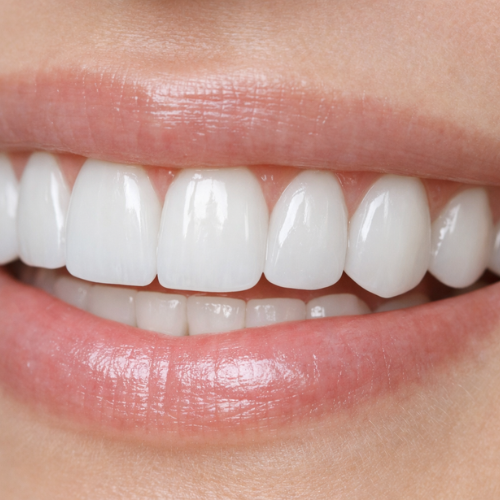
Do Veneers Stain? What Every Patient Should Know Before Getting One
Wondering if veneers stain over time? Bellflower Dental Group explains what causes discoloration and how to keep your smile bright. Call today.
Read More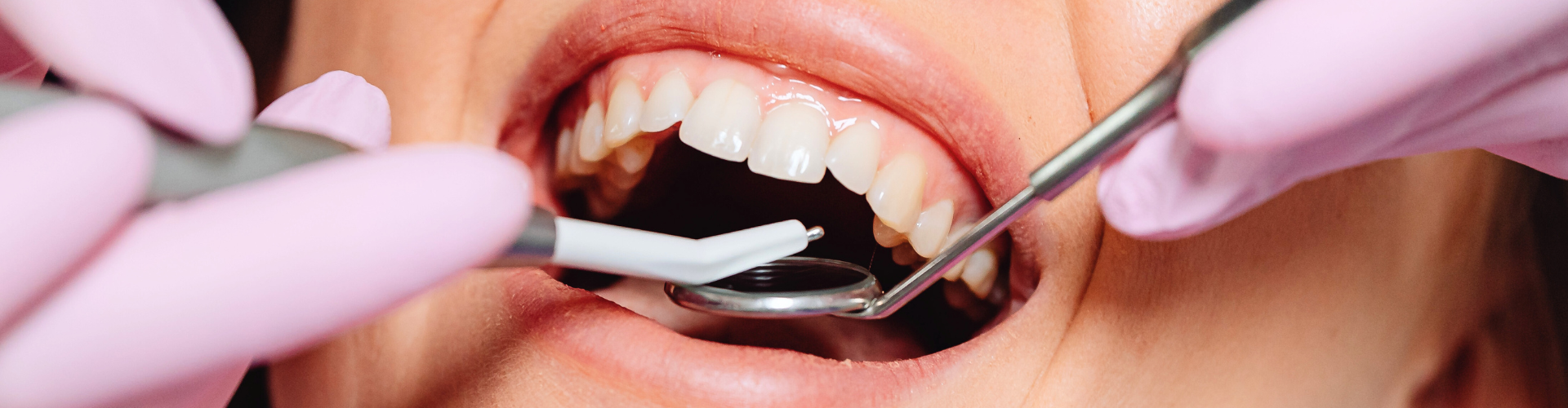
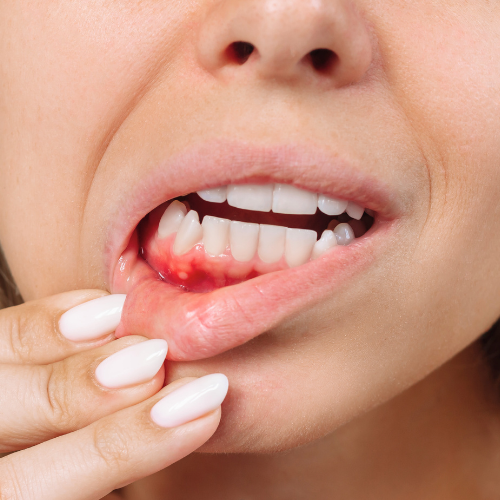
Gum health isn’t something most people think about, until brushing makes you flinch or flossing reveals a little blood. It’s easy to assume that bleeding gums are just a sign of brushing too hard, but in reality, they can be the early signs of gum disease. When plaque and bacteria begin to irritate your gums and creep below the surface, a regular cleaning won’t do the trick anymore. That’s where scaling and root planing comes in.
At Bellflower Dental Group, we often call this treatment a “reset” for your gums. It goes beyond a standard cleaning, targeting the stubborn bacteria and buildup that your toothbrush simply can’t reach. Let’s explore how this deep cleaning treatment works, what you can expect during recovery, and how it helps protect your smile for years to come.
Scaling and root planing is a deep cleaning procedure that removes hardened plaque (tartar) and bacteria from below your gumline, while a regular cleaning only addresses buildup on the surface of your teeth.
During a regular cleaning, your hygienist polishes your teeth, removes plaque and surface stains, and focuses mostly on the visible areas. It’s preventive care that keeps your smile fresh and bright. But when plaque hardens into tartar below the gums, it causes the tissue to pull away from your teeth, creating tiny pockets where bacteria thrive.
Scaling and root planing focuses on cleaning those pockets and smoothing the roots of your teeth to help your gums heal and reattach properly.
The process usually takes two steps:
Depending on the extent of your gum inflammation, the procedure may be done in sections—sometimes one side of your mouth at a time—to keep you comfortable. In most cases, a local anesthetic is used so you won’t feel pain during treatment.
By the end of your appointment, you’ve given your gums a chance to heal in a cleaner, healthier environment.
Most patients recover from scaling and root planing within a few days, though your gums may feel tender or slightly sensitive for about a week. Right after the procedure, it’s common to experience mild soreness, swelling, or a tingling sensation along the gumline. Your gums have essentially undergone a deep detox—they’ve been cleaned out and are now readjusting to being plaque-free.
Here’s what you can expect:
To support your recovery, your dentist might recommend:
You might also schedule a follow-up appointment to check that your gums are healing properly and that any inflammation is reducing. Many patients are surprised to see how quickly their gums firm up and how much healthier their mouth feels overall.
Scaling and root planing can’t reverse damage that’s already been done, but it can stop gum disease from progressing and prevent tooth loss if done early.
Gum disease develops in stages, starting with gingivitis and advancing to periodontitis if left untreated. In the early stage, your gums may be red or bleed easily but your bone and connective tissue haven’t yet been affected. At this point, scaling and root planing can completely restore your gum health.
Once gum disease progresses to periodontitis, bacteria begin attacking the bone and tissue that hold your teeth in place. Scaling and root planing won’t grow back lost bone, but it can halt further damage and keep your remaining structures stable.
Think of it like pulling weeds from a garden. If you catch them early, you can save your plants. But if you wait too long, the roots dig deep and cause lasting harm. Scaling and root planing “pulls the weeds” before they ruin the foundation of your smile.
The treatment also plays a huge role in preventing tooth loss. When gums are inflamed and bone support weakens, teeth can become loose. By cleaning out the infection and smoothing root surfaces, you reduce inflammation and help the tissue reattach—stabilizing your teeth again.
Even patients with more advanced gum disease can benefit. While it won’t undo bone loss, it can control bacterial levels, reduce inflammation, and prepare your mouth for more targeted treatments like regenerative therapy or periodontal surgery if needed.
Your gums do more than hold your teeth in place—they protect the bone underneath and act as a seal against harmful bacteria. When that seal breaks down, bacteria have a direct path into your bloodstream. Research has even linked chronic gum inflammation to heart disease, diabetes, and stroke.
That’s why scaling and root planing is about more than oral health—it’s about overall wellness. Restoring your gums reduces inflammation throughout your body, improves your immune response, and even helps control blood sugar levels in diabetic patients.
Healthy gums are firm, pale pink, and sit snugly against your teeth. If yours look red, swollen, or bleed when brushing, don’t ignore it. Early gum disease is treatable, and scaling and root planing is one of the most effective ways to stop it in its tracks.
Many patients underestimate how much their oral health affects their confidence. Persistent bad breath, bleeding gums, or that “fuzzy” feeling on your teeth can subtly chip away at your self-esteem. After scaling and root planing, patients often describe their mouth as feeling lighter, cleaner, and fresher—almost like they’ve pressed the reset button.
You’ll also notice fewer sensitivity issues, easier flossing, and better breath. It’s not just a dental procedure; it’s a confidence boost.
Most patients only need one deep cleaning treatment if they maintain consistent oral hygiene afterward. However, if you have chronic gum disease or systemic conditions that affect healing—like diabetes—you might need touch-up treatments once or twice a year.
Regular cleanings and checkups every six months are still essential. These appointments allow your dentist to monitor your gums, track healing progress, and catch early signs of inflammation before they become serious.
At Bellflower Dental Group, we believe every patient deserves care that’s both thorough and comfortable. Our team uses advanced ultrasonic scalers, gentle anesthetic options, and a compassionate approach to ensure your deep cleaning experience feels less like a medical procedure and more like a step toward renewal.
We focus not just on cleaning your teeth but on understanding what caused your gum issues in the first place. Whether it’s inconsistent brushing, dry mouth, or lifestyle habits, our goal is to create a prevention plan that keeps your gums healthy long after your visit.
If you’ve noticed bleeding gums, bad breath, or gum tenderness, it’s time to act before the problem worsens. Scaling and root planing can help restore your gum health, stop infection, and protect your smile for the long run.
At Bellflower Dental Group, we’re here to make that process simple, effective, and personalized for you.
Schedule your appointment today to take the first step toward a cleaner, healthier, and more confident smile.
Fresh news from the dental world...







Mon - Fri 9AM - 6PM
Saturday 9AM - 3PM
Sunday Closed
Check out what our patients are saying in Bellflower, CA...


“Great customer service!”
Great customer service and attentive staff! My 3 year old enjoyed his visit! Yes, I said he enjoyed it! He had to have X-rays done, and I was so worried that he wasn't gonna be a happy camper but the X-ray tech, Dominique, is so good with kids! The X-rays were fast and painless! Overall a great experience!

“Surpasses my expectations!”
Amazing staff! My experience at Bellflower Dental Group was outstanding. I highly recommend this dental group. I come to them for my braces, their ortho is incredible, the highlight of this dental group. The staff is amazing, their employees are so kind and take the time to perfect your braces.

“I love this dental office!”
I have been coming here for years. It is a one-stop-shop! You can get your x-rays, cleaning, braces, labs, dentures, toothbrushes, and more all right here. The staff is great, and they try to work with you if you need a payment plan. Never had any issues with any of the work done here!
“Great customer service!”
Great customer service and attentive staff! My 3 year old enjoyed his visit! Yes, I said he enjoyed it! He had to have X-rays done, and I was so worried that he wasn't gonna be a happy camper but the X-ray tech, Dominique, is so good with kids! The X-rays were fast and painless! Overall a great experience!
“Surpasses my expectations!”
Amazing staff! My experience at Bellflower Dental Group was outstanding. I highly recommend this dental group. I come to them for my braces, their ortho is incredible, the highlight of this dental group. The staff is amazing, their employees are so kind and take the time to perfect your braces.
Check out our accreditations, sources, and relationships in the wide world of dentistry...


Check us out and follow our Bellflower, CA practice on social media...


