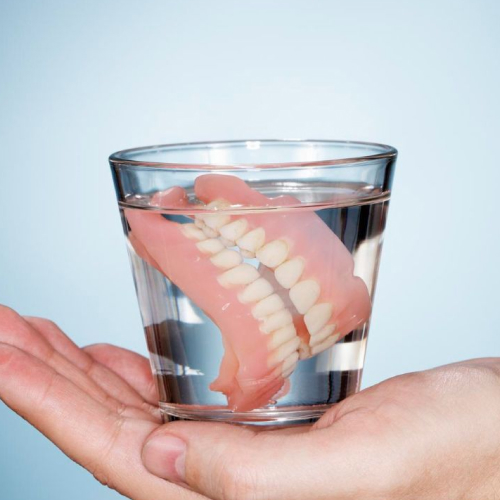
Why Dentures Shift When You Eat — And What You Can Actually Do About It
Tired of slipping dentures when you eat? Discover why your dentures shift and learn effective ways to restore your smile's stability. Contact us today!
Read More
There are certain small comforts in life that feel oddly satisfying. For some people, it is a warm compress or a calming cup of tea. For others it is the relief that comes with finally using the right product for the right problem. In dentistry, one of those quiet little heroes is numbing gel. It is simple, it is gentle, and it works quickly. The more patients try it, the more they realize they should have discovered it earlier.
Numbing gel has become a favorite because it sits in that sweet spot between convenience and real relief. It can turn a moment of irritation into something manageable. It can make flossing around a sore spot less stressful. It can help you get through a meal when you accidentally bite your cheek and instantly regret it. For many people, it is the small tube they keep nearby because they know how quickly things can shift from fine to uncomfortable.
At Bellflower Dental Group, we see how much of a difference it makes when someone finds something that actually helps. Toothaches, gum sensitivity, sore spots from braces or aligners, mild injuries from crunchy foods, tiny ulcers, and tender gums can interrupt your day without warning. A numbing gel offers temporary relief so you can breathe a little easier while planning your next steps.
This blog breaks down how numbing gel works, common questions people ask, and when to reach out for dental support.
There are several reasons why numbing gel quickly wins people over:
1. It works fast: Many gels take effect within minutes, offering quick comfort during sudden irritation.
2. It is easy to apply: No complicated steps. A small dab, a clean finger or cotton swab, and you are done.
3. It targets the exact spot: Unlike painkillers that travel through the whole body, numbing gel works right where you need it.
4. It is convenient: A tiny tube fits in your bag, drawer, or bathroom cabinet and is ready when you need it.
5. It helps bridge the gap: Sometimes you cannot get to the dentist immediately. Numbing gel offers temporary support until you can.
People come back to us all the time to say they underestimated how helpful it would be. What feels like a simple product often becomes something they recommend to friends or keep as part of their dental essentials.
Numbing gel is generally safe when used as directed. Most over-the-counter brands are designed for mild and occasional use. The ingredients are formulated to calm irritation and reduce discomfort without harming your teeth or gums.
However, using it every day without understanding why you feel sensitivity is not the best approach. Sensitivity is often a sign that something deeper is happening. You might have gum recession, enamel thinning, tooth decay, grinding, a crack, or inflammation. These problems do not go away on their own.
Numbing gel helps you cope with the sensation, but it does not treat the source. If you find yourself depending on it daily, that is your signal to book an appointment with Bellflower Dental Group. We can identify the cause and create a proper plan that gets you off the cycle of temporary fixes.
Some important tips for safe use:
The goal is not to numb everything. The goal is to ease discomfort while still paying attention to what your mouth is trying to tell you. If you need numbing gel constantly, your teeth or gums need a closer look.
Tooth and gum sensitivity can happen for many reasons. A cold drink, a sweet snack, a deep breath of air, or even brushing a little too hard can set it off. While it is common, it does not mean you should ignore it.
Numbing gel is useful for moments of irritation, but understanding the pattern of your sensitivity matters too. Here are some examples of when numbing gel helps and when it is time for a professional checkup:
Situations where numbing gel helps:
Situations where you should schedule a dental visit:
Your teeth should not feel tender every day. Numbing gel helps, but the goal is to figure out why the discomfort keeps happening. The sooner you address the source, the easier the treatment usually is.
Most numbing gels start working within one to five minutes. That quick response is one of the reasons people fall in love with it. When your discomfort is interrupting your day, fast relief makes a big difference.
The duration of relief varies depending on the brand and your body. Most gels offer relief for anywhere from ten minutes to an hour. Some gels are mild and fade quickly, while others have slightly longer effects. It depends on the active ingredient and how your body responds.
It is important to remember that numbing gel wears off gradually. This means you may feel the discomfort returning slowly rather than all at once. If you need to reapply, always follow the instructions. Applying too often can irritate your mouth or cause side effects.
A few things that affect how long numbing gel works:
Think of numbing gel as a temporary break rather than a full solution. It gives you time to eat, sleep, or rest comfortably until you can address the cause.
Pain, even mild pain, changes how you behave. You may chew differently, avoid certain foods, touch the irritated area with your tongue, or brush too gently. Over time this creates new habits that are not always helpful.
When numbing gel steps in, it helps restore a sense of normal for a while. That matters. It gives you the space to focus on regular activities without discomfort taking over your thoughts.
For example:
This is why fast-acting relief becomes so valuable. It protects your routine while you plan the next step, which is often a visit to your dentist to find out what is happening underneath.
Numbing gel is used in both settings. At home, it is great for temporary relief. In dental clinics, it is often used before local anesthesia to make the injection more comfortable. That little layer of numbness helps patients feel more relaxed.
During cleanings, x-rays, or orthodontic adjustments, dentists may use numbing gel to make things more comfortable for people with sensitive gums. It is not strong enough to replace local anesthesia for procedures like fillings or extractions, but it helps ease the initial discomfort before the main anesthetic is administered.
At home, numbing gel is helpful for:
In the clinic, numbing gel is helpful for:
Each use has its role, but both rely on the same effect: making your mouth feel calmer and more manageable.
Even though numbing gel is effective for temporary relief, there are situations where it will not solve the problem. If discomfort comes from something deeper, numbing the surface will not address the underlying cause.
Examples include:
If you notice swelling, fever, throbbing pain, foul taste, bleeding, or discomfort that spreads, do not rely on numbing gel. These signs require urgent dental care.
Numbing gel should support your comfort, not replace your treatment.
To get the best results, you can follow these simple steps:
1. Dry the area first: Moisture can dilute the gel. A tissue or clean gauze helps.
2. Use a small amount: More is not always better. A tiny dab is usually enough.
3. Avoid eating immediately after applying: This allows the gel to stay in place and work longer.
4. Do not use it too frequently: Repeated use can irritate your mouth.
5. Pay attention to patterns: If one tooth or one gum area keeps hurting, schedule a visit.
6. Keep the product away from children: Only use child-safe versions under a dentist’s guidance.
Temporary relief is helpful, but dental care is about long-term health. Tooth and gum sensitivity rarely happens without a reason. Even if it feels like a small inconvenience, it might be the first sign of something developing.
A dentist can identify whether your sensitivity is coming from:
These issues improve faster when addressed early. Many patients assume something is serious because it hurts, but often it is easily fixable. The key is catching it before it becomes complicated.
Numbing gel is wonderful for quick comfort, but lasting peace of mind comes from knowing what is actually causing your sensitivity. If you find yourself reaching for the gel often, or if your discomfort keeps coming back, it is time for a professional evaluation.
Book your visit at Bellflower Dental Group today. Our team is ready to help you get the relief you need and the care you deserve.
Fresh news from the dental world...


Mon - Fri 9AM - 6PM
Saturday 9AM - 3PM
Sunday Closed
Check out what our patients are saying in Bellflower, CA...


“Great customer service!”
Great customer service and attentive staff! My 3 year old enjoyed his visit! Yes, I said he enjoyed it! He had to have X-rays done, and I was so worried that he wasn't gonna be a happy camper but the X-ray tech, Dominique, is so good with kids! The X-rays were fast and painless! Overall a great experience!

“Surpasses my expectations!”
Amazing staff! My experience at Bellflower Dental Group was outstanding. I highly recommend this dental group. I come to them for my braces, their ortho is incredible, the highlight of this dental group. The staff is amazing, their employees are so kind and take the time to perfect your braces.

“I love this dental office!”
I have been coming here for years. It is a one-stop-shop! You can get your x-rays, cleaning, braces, labs, dentures, toothbrushes, and more all right here. The staff is great, and they try to work with you if you need a payment plan. Never had any issues with any of the work done here!
“Great customer service!”
Great customer service and attentive staff! My 3 year old enjoyed his visit! Yes, I said he enjoyed it! He had to have X-rays done, and I was so worried that he wasn't gonna be a happy camper but the X-ray tech, Dominique, is so good with kids! The X-rays were fast and painless! Overall a great experience!
“Surpasses my expectations!”
Amazing staff! My experience at Bellflower Dental Group was outstanding. I highly recommend this dental group. I come to them for my braces, their ortho is incredible, the highlight of this dental group. The staff is amazing, their employees are so kind and take the time to perfect your braces.
Check out our accreditations, sources, and relationships in the wide world of dentistry...


Check us out and follow our Bellflower, CA practice on social media...


