When it comes to pediatric dental care, technology plays a pivotal role in transforming the experience for young patients and their parents alike. Today's dental technology is designed not only to treat but also to educate, engage, and ease the fears of young visitors. Let's delve into the modern world of kids' dentistry and see how technological advancements are making smiles brighter from the first visit.
What Happens at Your Child's First Dental Visit?
A child's first dental visit is a pivotal moment that lays the foundation for their dental hygiene and attitudes toward dental care throughout their life. This initial encounter is crucial in shaping a child's perception of dentistry, turning it from a potential source of anxiety into a positive, educational experience. Dental professionals seize this opportunity to foster a friendly and supportive atmosphere, ensuring that the child feels safe and welcome.
Modern pediatric dental offices are designed with the young patient in mind, featuring colorful décor, playful themes, and child-sized furniture to create a relatable and inviting environment. Waiting areas often resemble playrooms, complete with interactive games, educational toys, and books that introduce dental health concepts in a fun and accessible way. These elements help distract and soothe children, making them feel more at ease and reducing any pre-visit jitters.
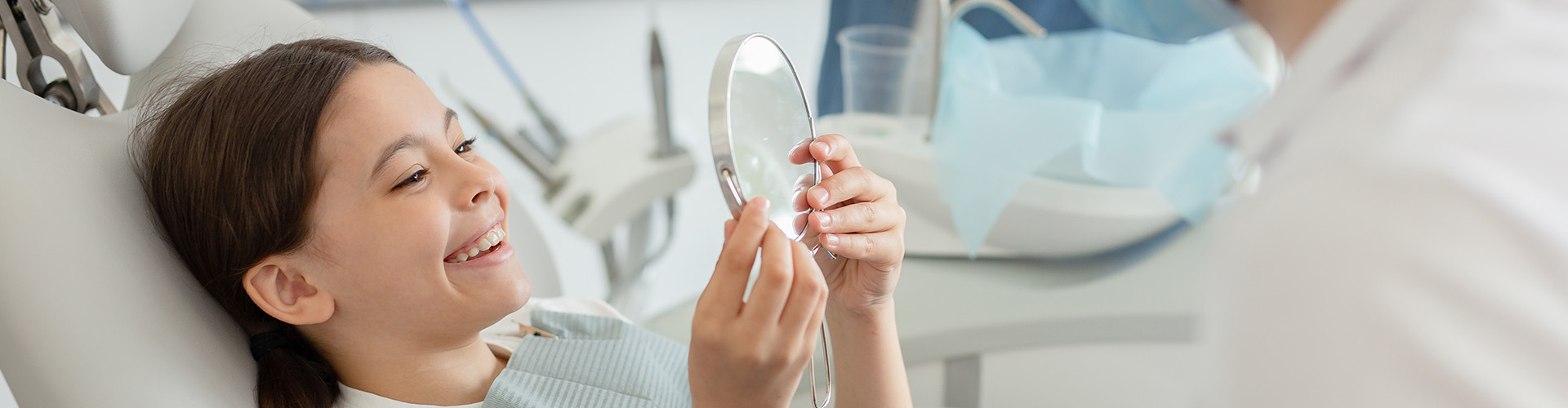
Once in the treatment room, the visit typically starts with a gentle introduction to the dental chair and equipment. Dentists and dental hygienists take the time to explain the tools and procedures in child-friendly language, often demonstrating their use in a non-threatening manner. This can include letting the child handle some of the instruments, like the mirror, to demystify the equipment and process.
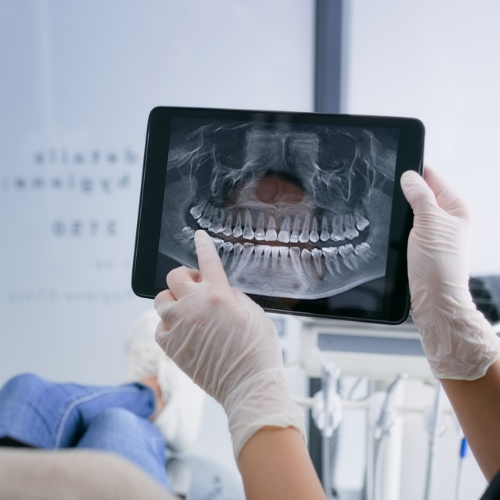
Advanced diagnostic technology, such as digital radiography, plays a key role during this first visit. This modern technology is not only more efficient but also emits less radiation than traditional X-ray machines, ensuring the child’s safety and comfort. Intraoral cameras, another staple in contemporary pediatric dentistry, allow for a visual tour of the child's mouth. These cameras enable dentists to display images on a screen, making it easier to show and explain dental conditions and findings to both the child and parents. This interactive approach is instrumental in educating the family and building a trusting relationship with the dental team.
The visit often includes a comprehensive examination of the child's teeth, gums, jaw, and bite, assessing their overall oral health and development. The dentist will look for any signs of early dental issues, such as cavities or alignment problems, and discuss proper cleaning techniques specifically tailored for young children. They may also touch on topics like the impact of thumb-sucking, the importance of a balanced diet for oral health, and how to transition from a bottle to a cup.
Preventive care is a focal point of the first dental visit. The dentist might apply a fluoride varnish to help protect the teeth against decay or demonstrate proper brushing and flossing techniques. This preventive approach aims to establish good oral hygiene habits from the start, reducing the risk of dental problems later on.
The goal of the first dental visit is to ensure that both the child and their parents leave the office with a clear understanding of the child’s oral health and how to care for it. It’s also an opportunity to establish a rapport and a routine of regular dental checkups, emphasizing that dental care is a normal and important part of overall health.
How Do Dentists Clean Baby Teeth?
Cleaning baby teeth might seem straightforward, but it involves careful consideration to ensure that the child's experience is pain-free and positive. Pediatric dentists use specially designed tools that are smaller and more comfortable for little mouths. Ultrasonic cleaners and electric toothbrushes make the cleaning process faster and more effective, reducing the time the child has to sit in the chair.
Fluoride treatments, crucial for preventing tooth decay in children, are now more child-friendly with flavors that kids love. Sealants can also be applied quickly and painlessly to protect against cavities, using technologies that cure the sealant rapidly to minimize the child’s discomfort and the time spent in the dental chair.
How Does Technology Affect Children's Dentistry?
Technology has fundamentally transformed pediatric dentistry, making it more accurate, efficient, and enjoyable. Digital advancements in dental care have significantly improved the precision of diagnoses and treatments, ensuring that young patients receive the most effective care possible. These innovations have also played a crucial role in making dental visits more interactive and less daunting for children, thereby fostering a positive attitude towards dental health from an early age.
One of the most exciting technological advancements in pediatric dentistry is the use of augmented reality (AR). AR applications make dental education an engaging and entertaining experience for children. They can learn about oral hygiene and dental procedures through interactive storytelling and games, which helps demystify dental visits and promotes a proactive approach to oral health. This immersive technology captures children’s attention and makes them more receptive to learning about dental care.
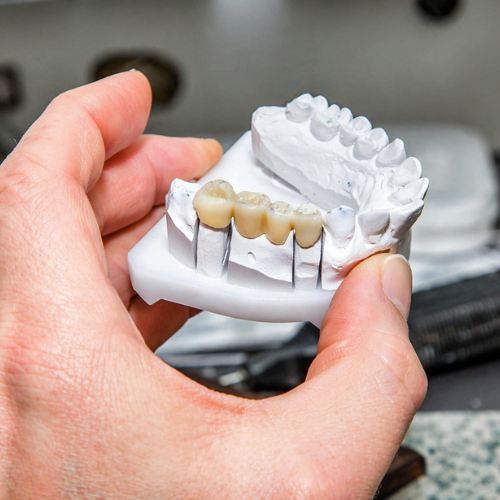
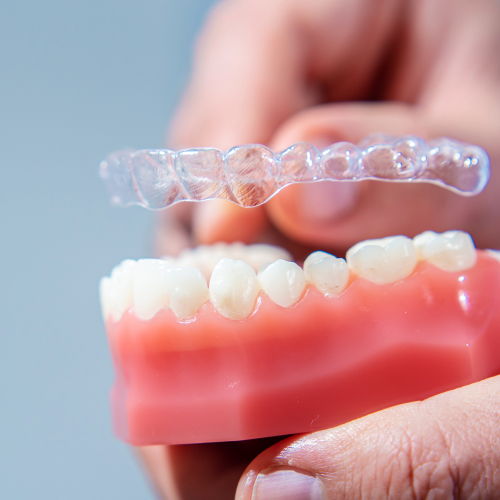
3D printing technology is another game-changer, streamlining the creation of custom dental appliances like crowns, braces, and space maintainers. This technology ensures these devices are perfectly tailored to the individual's anatomy, improving comfort and treatment effectiveness. The rapid production process of 3D printing also means that children and their families spend less time waiting for appliances to be made, reducing the overall treatment timeline and improving the dental experience.
Teledentistry has emerged as a vital component of modern pediatric dentistry, especially in the wake of global health challenges. It offers the convenience of remote consultations and follow-up appointments, making dental care more accessible to families, regardless of their location. This is especially beneficial for those in remote areas or for families with tight schedules, ensuring continuous access to dental care and advice.
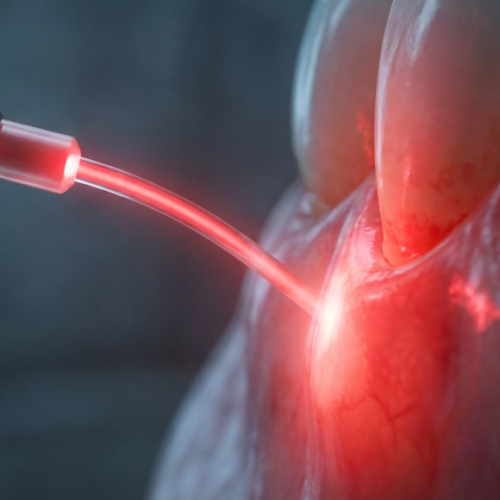
Advancements in diagnostic tools have revolutionized preventive care in children’s dentistry. Technologies like laser fluorescence detectors and digital X-rays can identify the earliest signs of tooth decay and other dental issues, often before they are visible or cause symptoms. Early detection is key to less invasive treatments and significantly better oral health outcomes, allowing for interventions that are simpler, quicker, and less stressful for the child.
Additionally, software for patient education has become more sophisticated, offering interactive and age-appropriate learning tools that help children understand the importance of maintaining good oral hygiene. Virtual reality (VR) headsets in some dental practices provide realistic simulations and educational content, making the learning process about dental health both fun and impactful.
Embracing the latest technology in pediatric dentistry leads to better dental experiences and outcomes for children. In our dental office, we are committed to providing cutting-edge care in a welcoming and child-friendly environment. Our team is dedicated to ensuring that every aspect of your child’s dental journey is as comfortable and positive as possible, employing the latest technologies to deliver the best possible care.
Are you ready to provide your child with an exceptional dental experience using the latest technology? Schedule an appointment with us today and join us on a journey to creating healthy, happy smiles for your little ones!