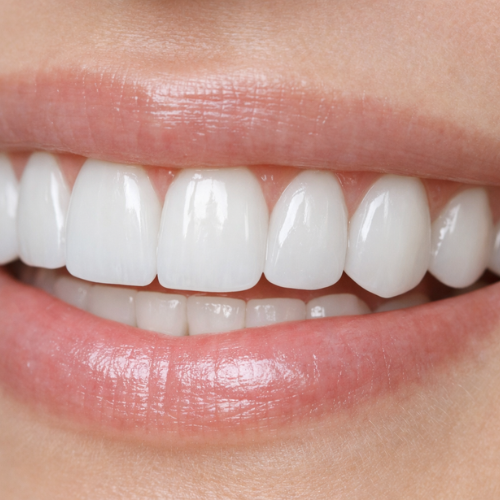
Gum pain can be a real nuisance, turning everyday activities like eating, drinking, and even speaking into uncomfortable chores. If you're experiencing gum discomfort, you're not alone. Many people suffer from gum pain at some point in their lives, and understanding the cause is the first step toward relief. At Bellflower Dental Group, we're here to help you navigate through the causes of gum pain and find the relief you need.
Why Do My Gums Hurt All of a Sudden?
Sudden gum pain can be alarming, especially if you've never had issues before. There are several reasons why your gums might start hurting out of the blue:
- Gum Disease: The early stage of gum disease can cause your gums to become red, swollen, and tender. Plaque buildup along the gumline leads to inflammation, resulting in sudden discomfort.
- Injury or Trauma: Accidentally biting your cheek or gum, using a toothbrush that's too hard, or flossing aggressively can injure your gum tissue, leading to pain.
- Dental Abscess: This can occur in the gums or at the root of a tooth, causing sharp, throbbing pain that may come on suddenly.
- Allergic Reactions: Introducing new dental products or even certain foods can trigger an allergic reaction, causing your gums to become sore and irritated.
- Hormonal Changes: Particularly in women, hormonal fluctuations during puberty, pregnancy, or menopause can increase gum sensitivity and lead to sudden pain.
If you're experiencing sudden gum pain, it's important not to ignore it. While some causes are minor and can resolve on their own, others may require professional treatment to prevent more serious issues.
Why Do My Gums Hurt in One Spot?
When gum pain is localized to a specific area, it often points to a particular problem in that spot:
- Food Particles and Debris: Tiny pieces of food can become trapped between your teeth and gums, especially if you have gaps or misaligned teeth. This can cause irritation and even infection if not removed promptly.
- Canker Sores: These small, shallow ulcers can develop on the soft tissues of your mouth, including your gums. They can be quite painful, especially when eating or drinking.
- Tooth Infection or Decay: A cavity or infection in a tooth can extend to the surrounding gum tissue, causing localized pain and swelling.
- Receding Gums: Gum recession exposes the sensitive roots of your teeth, which can be painful to touch and sensitive to temperature changes.
- Dental Appliances: If you wear braces, dentures, or retainers, they might rub against a particular spot on your gums, causing irritation and soreness.
To address pain in one spot, it's important to maintain good oral hygiene and gently clean the area. If the pain persists, a visit to the dentist can help identify the cause and provide targeted treatment.
How Do You Get Rid of Gum Infection Without Antibiotics?
While antibiotics are sometimes essential for tackling severe gum infections, many mild cases can be effectively managed at home using proper care and natural remedies:
- Improve Your Oral Hygiene Routine: Boost the frequency of your brushing and flossing sessions to effectively eliminate plaque and bacteria. Maintaining a thorough cleaning regimen is crucial for managing and preventing infections.
- Use a Saltwater Solution: Gargling with warm saltwater multiple times a day can help minimize bacterial presence and calm irritated gums. To make the rinse, dissolve half a teaspoon of salt in a glass of warm water.
- Opt for Antimicrobial Mouthwashes: Select mouthwashes that contain antimicrobial agents like chlorhexidine or essential oils. These ingredients help lower the bacterial count in your mouth, promoting healthier gums.
- Incorporate Herbal Treatments: Herbs such as sage and chamomile possess anti-inflammatory qualities. Preparing a mouth rinse with these herbs can offer soothing relief to inflamed gum tissues.
- Maintain a Nutritious Diet: Eating foods high in vitamin C and antioxidants can strengthen your immune system and aid in the healing process. A balanced diet supports overall oral health and helps your body fight off infections.
- Eliminate Irritants: Avoid using tobacco products and reduce alcohol intake, as these can worsen gum issues and hinder the healing process.
Keep in mind that while these strategies can alleviate symptoms and support recovery, they might not entirely eradicate an infection. If you experience no noticeable improvement after a few days or if your symptoms intensify, it's crucial to consult a dental professional to prevent more serious complications.
When Should I See a Dentist for Gum Pain?
It's always better to err on the side of caution when it comes to gum pain. Here are some signs that indicate it's time to schedule a dental appointment:
- Persistent Pain: If your gum pain lasts more than a week despite home care efforts.
- Bleeding Gums: Frequent bleeding during brushing, flossing, or even spontaneously is a sign of gum disease.
- Swelling or Pus: Any signs of infection, such as swelling, pus discharge, or a bad taste in your mouth, require immediate attention.
- Loose Teeth: If you notice teeth shifting or becoming loose, it could indicate advanced gum disease.
- Receding Gums: Visible shrinking of the gum line can expose tooth roots and lead to sensitivity and pain.
- Fever or Malaise: General feelings of unwellness, fever, or swollen lymph nodes in the neck can accompany a serious dental infection.
At Bellflower Dental Group, we prioritize your comfort and health. Our team is equipped to diagnose the cause of your gum pain and develop a personalized treatment plan to address it effectively.
How Can I Prevent Gum Pain in the Future?
Prevention is always better than cure when it comes to oral health. Here are some tips to keep your gums healthy and pain-free:
- Schedule Regular Dental Visits: Make it a habit to see your dentist every six months. These check-ups allow for the early detection of potential issues, preventing them from escalating into more severe and painful problems.
- Use the Right Brushing Technique: Aim to brush your teeth twice daily with a soft-bristled toothbrush and fluoride toothpaste. Employ gentle, circular motions to effectively clean your teeth without harming your gum tissue.
- Incorporate Daily Flossing: Flossing is essential for removing plaque and food particles that accumulate between your teeth and beneath the gum line—areas that your toothbrush can't reach. This practice helps maintain healthy gums and prevents infections.
- Maintain a Balanced Diet: Reduce your intake of sugary snacks and beverages, as they can lead to plaque buildup. Focus on eating a variety of fruits, vegetables, and whole grains to support overall oral health.
- Stay Well-Hydrated: Drinking plenty of water helps cleanse your mouth by washing away food debris and maintaining moisture. This can significantly decrease the growth of harmful bacteria that cause gum problems.
- Avoid Tobacco Products: Whether you smoke or use other forms of tobacco, these habits increase your likelihood of developing gum disease and oral cancer. Steering clear of tobacco is crucial for maintaining healthy gums.
By integrating these practices into your daily routine, you can effectively prevent gum pain and ensure your oral health remains in excellent condition.
Conclusion
Gum pain isn't just an annoyance; it's your body's way of signaling that something needs attention. Whether it's a sudden ache or a persistent discomfort in one spot, addressing gum pain promptly can prevent more serious health problems down the line. At Bellflower Dental Group, we're committed to helping you achieve optimal oral health. Our compassionate team is here to listen to your concerns, answer your questions, and provide the care you need.
Ready to Find Relief? Schedule Your Appointment Today!
Don't let gum pain disrupt your life any longer. Reach out to Bellflower Dental Group to book your appointment. Let's work together to restore your comfort and keep your smile shining bright.