Getting dentures often feels like the finish line. After extractions, impressions, fittings, and adjustments, many people breathe a sigh of relief and assume their dental visits are mostly behind them. After all, if you no longer have natural teeth, what is there to check?
This is one of the most common misunderstandings we see in dentistry. Dentures may replace teeth, but they do not replace the need for regular dental care. In fact, once you have dentures, routine check ups become even more important in some ways, because small problems can quietly develop without the early warning signs that natural teeth sometimes give.
Dentures sit on living tissue, rely on bone structure for support, and interact with muscles that change over time. Your mouth continues to age, heal, adapt, and shift. Without professional monitoring, discomfort, instability, sore spots, or infections can sneak up on you and become harder to manage later.
At Bellflower Dental Group, we see dental check ups with dentures as part of ongoing care, not maintenance out of obligation. These visits help keep your mouth healthy, your dentures fitting comfortably, and your confidence intact.
Below, we take a closer look at why dental visits still matter with dentures, what actually happens during a denture check up, and how often you should be seen to avoid long term issues.
Why do regular dental check ups still matter if you already have dentures?
Even when all your visible teeth have been replaced, your oral health is very much alive. Dentures rest on gum tissue and bone that can change shape over time, sometimes subtly and sometimes quickly.
One of the biggest reasons dental check ups still matter is bone loss. After teeth are removed, the jawbone naturally begins to shrink. This process continues whether or not you have dentures. As the bone changes, the fit of your dentures can loosen, shift, or apply uneven pressure to the gums. Left unchecked, this can lead to sore spots, difficulty chewing, and even fractures in the denture itself.
Gum tissue also deserves close attention. Dentures can hide early signs of irritation, inflammation, or infection. Conditions like denture stomatitis, which is an inflammation of the tissue under the denture, often develop slowly and painlessly. Many people do not realize there is an issue until the tissue becomes very sore or damaged.
Another important reason for regular check ups is oral cancer screening. Oral cancer can affect anyone, including people without natural teeth. The lips, tongue, cheeks, floor of the mouth, throat, and gums all need to be checked regularly. These screenings are quick, but they are critical for catching concerns early when treatment is most effective.
Finally, routine visits help preserve comfort and function. When dentures no longer fit correctly, people often adjust how they chew, speak, or hold their jaw without realizing it. Over time, this can strain muscles, cause jaw soreness, and affect digestion. Dental check ups help catch these changes early and correct them before they become daily frustrations.
Simply put, dentures do not eliminate dental care needs. They change them.
What does a dentist actually look for during a denture check up?
A denture check up goes beyond asking whether your dentures feel fine. Even when patients report no pain, there can be early signs of trouble that are easy to miss at home.
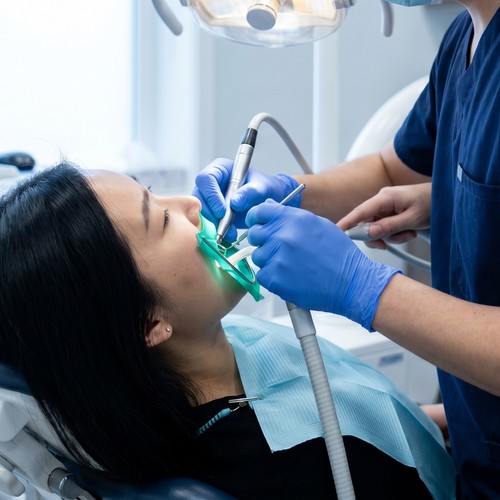
Your dentist begins by examining the soft tissues of your mouth. This includes the gums, palate, tongue, cheeks, and the areas where your dentures rest. They look for redness, swelling, sores, pressure marks, fungal infections, or signs of irritation. Small tissue changes can signal that your dentures need adjustment or that hygiene habits need improvement.
The fit of your dentures is also carefully evaluated. Dentures that look stable at rest may move when you speak or chew. Your dentist checks how the denture sits, how evenly pressure is distributed, and whether there are areas that could cause friction or rubbing. Even a slight shift can lead to discomfort over time.
Your bite is another key focus. As bone changes and dentures wear down, the way your upper and lower dentures come together can change. An uneven bite can strain the jaw joints, cause clicking or soreness, and make chewing harder. Denture check ups help ensure your bite remains balanced and functional.
The dentures themselves are inspected as well. Cracks, chips, thinning areas, or worn teeth can weaken the denture and make breakage more likely. Dentures may also collect plaque and calculus just like natural teeth. Professional cleaning helps remove buildup that regular brushing cannot fully eliminate.
Finally, a complete oral health screening is performed. This includes checking lymph nodes, jaw joints, and surrounding structures. These steps are important regardless of whether you have natural teeth, because oral health is about much more than teeth alone.
In many cases, small adjustments made during these visits dramatically improve comfort and extend the life of the dentures.
How often should denture wearers schedule dental check ups to avoid long term issues?
For most denture wearers, a dental check up every six months is still the standard recommendation. However, the ideal frequency can vary depending on your oral health, the type of dentures you have, and how long you have been wearing them.
New denture wearers often need more frequent visits during the first year. As your mouth heals and adapts, changes can happen quickly. Early follow ups allow your dentist to adjust pressure points, refine the fit, and address sore areas before they become painful or discouraging.
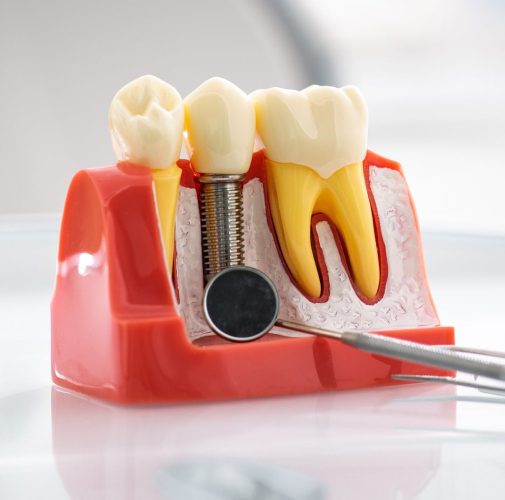
Long term denture wearers may still benefit from twice yearly visits, especially if they have a history of sore spots, infections, or fit issues. If you have implant supported dentures, routine check ups are essential for monitoring the health of the implants and surrounding tissue.
There are also signs that should prompt a visit sooner than scheduled. These include persistent soreness, dentures slipping or clicking, difficulty chewing foods you previously enjoyed, changes in speech, or redness under the denture that does not fade. Ignoring these signs often leads to bigger problems that take more time and cost to correct.
Ultimately, regular dental visits are an investment in prevention. They help catch changes early, avoid emergency visits, and keep your dentures comfortable for as long as possible.
The quiet changes that happen under dentures
One of the reasons denture check ups are often overlooked is that many changes happen quietly. Unlike a toothache, problems under dentures do not always cause immediate pain. The mouth adapts remarkably well, even when something is not quite right.
Over time, this adaptation can mask issues like uneven pressure, early tissue damage, or shifting dentures. By the time discomfort becomes noticeable, more extensive adjustments may be needed.
Regular check ups give your dentist a chance to spot these changes early. Think of them as tune ups rather than repairs. A few small refinements now can prevent major discomfort later.
Dentures, hygiene, and professional care
Good at home care is essential for denture wearers, but it does not replace professional care. Dentures should be cleaned daily to remove food debris, plaque, and bacteria. The gums and tongue should also be brushed gently to promote circulation and reduce irritation.
However, even the most diligent home routine cannot catch everything. Professional cleanings and exams help remove stubborn buildup, identify hidden irritation, and ensure your techniques are still working well for your current needs.
Dental check ups are also a great time to ask questions. Whether you are curious about cleaning products, overnight wear, adhesives, or long term denture options, these visits provide guidance tailored to your situation.
Denture comfort affects overall health
It may surprise some people to learn how closely denture comfort ties into overall health. Poorly fitting dentures can limit food choices, leading people to avoid harder or more nutritious foods. This can affect digestion, energy levels, and general well being.
Discomfort can also impact confidence. People who worry about dentures shifting or clicking may speak less, smile less, or avoid social situations. Addressing these concerns through routine dental care supports both physical and emotional health.
By keeping dentures properly fitted and the mouth healthy, dental check ups help protect quality of life, not just oral structures.
A long term partnership with your dentist
Dentures are not a one time solution. They are part of a long term relationship between your mouth and your dentist. As your needs change, your care plan should change with them.
At Bellflower Dental Group, we focus on making denture care practical, thorough, and reassuring. We believe that understanding what is happening in your mouth helps you feel more confident and more comfortable seeking care.
If you wear dentures and have not had a dental check up in a while, now is a great time to reconnect. Whether everything feels fine or something has been bothering you, a visit can provide clarity and peace of mind.
Schedule an appointment with Bellflower Dental Group today and let us help you keep your dentures comfortable, your mouth healthy, and your smile working for you.