Ceramic vs. Composite Fillings: How Long Do They Actually Last?
Comparing ceramic vs. composite fillings? Discover how long each cavity filling option lasts and choose the best fit for your smile. Book your visit today!
Read More
There's nothing more frustrating than enjoying your favorite food, only to accidentally bite the inside of your cheek and realize days later that you've triggered a canker sore. Or maybe you're one of the unlucky ones who just wake up with them without any evident reason. Whatever the case, canker sores are a universal nuisance and, while small, can become the bane of your existence for a week or two.
But don't worry! We've delved deep into the world of canker sores to bring you answers to your burning questions (pun intended). In this blog post, we're exploring what causes these annoying ulcers, how long they tend to stick around, and, most importantly, how you can heal them faster.
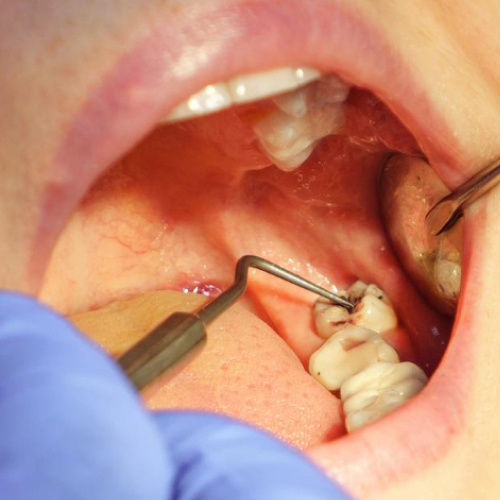
Canker sores, medically known as aphthous ulcers, are small, painful ulcers that appear inside the mouth, typically on the inner lips, cheeks, or even the base of the gums. They're characterized by a white or yellow center with a red border. While they're not contagious, they can be incredibly bothersome. So, what brings about these pesky mouth intruders?
1. Injury or Trauma: Sometimes, the simple act of biting the inside of your cheek or brushing too hard can cause a canker sore. Trauma to the inside of your mouth can lead to these pesky ulcers.
2. Acidic and Spicy Foods: Ever felt that sting after eating something acidic or spicy? Foods like tomatoes, citrus fruits, and spicy dishes can be triggers for some people.
3. Vitamin Deficiencies: Believe it or not, lacking certain vitamins like B-12, zinc, folate, and iron can make you more prone to developing canker sores.
4. Hormonal Changes: Ladies, you might have noticed getting canker sores around certain times of the month. This is because fluctuations in hormones can trigger them.
5. Underlying Health Conditions: Certain conditions like celiac disease, Crohn’s disease, and a weakened immune system can increase your risk.
6. Stress: Ever heard of stress acne? Well, stress can also be a big player in the formation of canker sores. Your mouth isn't immune to the effects of a busy lifestyle!
Most canker sores, fortunately, are short-lived. They often heal on their own within 1 to 2 weeks.
Factors Affecting Healing: Size matters! Larger sores can take longer to heal, sometimes even a few weeks. And if you keep biting or irritating the sore, you might be in for a longer healing process.
When to be Concerned: If you're finding that your canker sore hasn't healed after three weeks, it's swelling, or it's exceptionally painful, it might be time to consult with a dental expert. Prolonged sores can sometimes indicate other underlying health issues.
1. Over-the-counter Treatments: There are numerous gels and ointments available at your local pharmacy designed explicitly for canker sore relief. These products often contain ingredients like benzocaine, which numbs the sore area, and other soothing components that promote healing. It's always best to follow the label's directions and consider any potential allergies you might have. Additionally, there are also medicated mouthwashes available that can reduce pain and inflammation, making eating and drinking a tad more bearable.
2. Salt Water Rinses: This tried-and-true home remedy has been passed down for generations—and for a good reason! When you rinse with salt water, you're creating a hostile environment for bacteria while also drawing out fluids that can reduce swelling in the sore. To whip up this remedy, mix a teaspoon of salt in a cup of warm water. Swish it around in your mouth for about 30 seconds, ensuring it covers the affected area, then spit it out. Repeat this a few times a day, and you'll likely notice a decrease in pain and inflammation.
3. Baking Soda Rinse: Another home remedy to consider is a baking soda rinse. Baking soda helps neutralize the acids that can irritate the sore, aiding in faster healing. Mix a teaspoon of baking soda with half a cup of warm water, swish, and spit!
4. Avoid Trigger Foods: This might seem like common sense, but it's essential to be extra cautious about your diet when nursing a canker sore. Foods that are spicy, acidic, or overly salty can further irritate the sore and prolong the healing process. While it might be tempting to indulge in that spicy taco or tangy citrus drink, it's best to wait until your mouth is back to its pain-free self.
5. Use a Soft-bristled Toothbrush: A soft-bristled toothbrush can be your best friend when dealing with canker sores. Not only does it prevent further injury to the sore, but it also helps in preventing new ones from forming due to inadvertent scrapes or bruises. Make sure to change your toothbrush regularly and maintain optimal oral hygiene to keep your mouth clean and free from potential irritants.
6. Herbal Remedies: Several herbal remedies, such as chamomile tea bags or aloe vera gel, can be soothing when applied to a canker sore. They possess natural anti-inflammatory properties that can help reduce the sore's size and pain. Simply applying a damp chamomile tea bag to the sore or using a dab of aloe vera gel can offer relief.
7. Consult With a Dental Expert: Lastly, if you find yourself frequently battling these pesky ulcers or if they're causing significant discomfort, it's essential to seek a professional opinion. A dental expert can provide a deeper insight into your specific condition and recommend stronger treatments or preventive measures tailored to your situation. Remember, persistent or unusually large canker sores can sometimes signal other health issues, so never hesitate to get them checked out!
1. Maintain Good Oral Hygiene: Brushing and flossing regularly can keep your mouth clean and decrease the risk of sores.
2. Watch Your Diet: If you're prone to canker sores, keep track of what you eat. Spotting a pattern can help you identify potential trigger foods.
3. Manage Stress: Mindfulness, meditation, or simply taking regular breaks can help manage your stress levels, reducing the risk of canker sores.
In summary, while canker sores might be small, they can be a big pain in the mouth (literally). Understanding their causes, the typical healing time, and ways to speed up recovery can make life a little more comfortable. But remember, if you're in doubt, always consult with a dental expert. Speaking of which, our clinic is always here to help. Schedule your consultation today and get back to enjoying a pain-free smile!
Fresh news from the dental world...


Mon - Fri 9AM - 6PM
Saturday 9AM - 3PM
Sunday Closed
Check out what our patients are saying in Bellflower, CA...


“Great customer service!”
Great customer service and attentive staff! My 3 year old enjoyed his visit! Yes, I said he enjoyed it! He had to have X-rays done, and I was so worried that he wasn't gonna be a happy camper but the X-ray tech, Dominique, is so good with kids! The X-rays were fast and painless! Overall a great experience!

“Surpasses my expectations!”
Amazing staff! My experience at Bellflower Dental Group was outstanding. I highly recommend this dental group. I come to them for my braces, their ortho is incredible, the highlight of this dental group. The staff is amazing, their employees are so kind and take the time to perfect your braces.

“I love this dental office!”
I have been coming here for years. It is a one-stop-shop! You can get your x-rays, cleaning, braces, labs, dentures, toothbrushes, and more all right here. The staff is great, and they try to work with you if you need a payment plan. Never had any issues with any of the work done here!
“Great customer service!”
Great customer service and attentive staff! My 3 year old enjoyed his visit! Yes, I said he enjoyed it! He had to have X-rays done, and I was so worried that he wasn't gonna be a happy camper but the X-ray tech, Dominique, is so good with kids! The X-rays were fast and painless! Overall a great experience!
“Surpasses my expectations!”
Amazing staff! My experience at Bellflower Dental Group was outstanding. I highly recommend this dental group. I come to them for my braces, their ortho is incredible, the highlight of this dental group. The staff is amazing, their employees are so kind and take the time to perfect your braces.
Check out our accreditations, sources, and relationships in the wide world of dentistry...


Check us out and follow our Bellflower, CA practice on social media...


