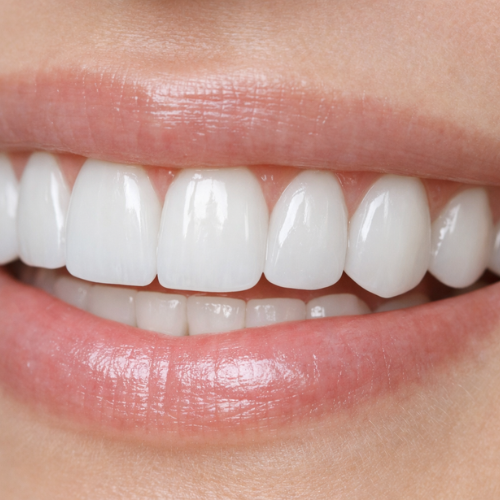
Do Veneers Stain? What Every Patient Should Know Before Getting One
Wondering if veneers stain over time? Bellflower Dental Group explains what causes discoloration and how to keep your smile bright. Call today.
Read More
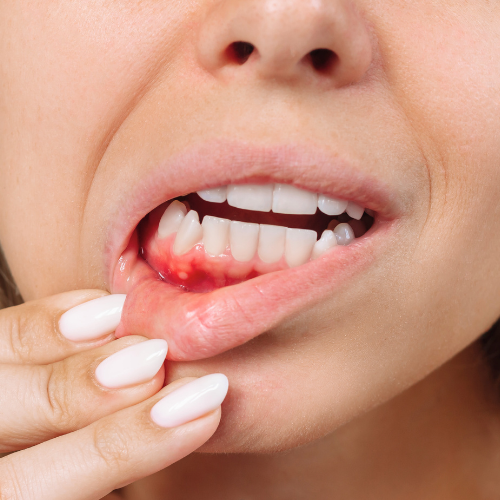
You’re brushing like normal. You spit. And there it is again, that little streak of pink in the sink.
Bleeding gums can feel confusing because it often doesn’t hurt. It just shows up. But gums do not bleed “randomly.” Most of the time, bleeding is your body’s way of saying: There is inflammation here, and bacteria are winning a little more than they should.
The good news is that gingivitis is the early stage of gum disease, and it’s usually reversible when you catch it early. The not so fun part is this: if you ignore it, it can quietly progress into a deeper problem that takes more than better brushing to fix.
At Bellflower Dental Group, we see bleeding gums all the time, and in many cases, the solution is simple once we pinpoint what’s driving it.
Gingivitis means your gums are inflamed. The most common cause is plaque, that sticky film of bacteria that builds up along the gumline. If plaque sits there long enough, it irritates the gums. The gums become puffy, tender, and more likely to bleed when touched by a toothbrush or floss.
Think of bleeding as a warning light, not the emergency itself.
Common signs of gingivitis include:
This is one of the most searched questions for a reason. People assume bleeding means they are brushing too hard. Sometimes that’s true. But more often, bleeding means the gums are already inflamed, so even gentle contact triggers bleeding.
Here are the most common reasons we see:
1) Plaque sitting at the gumline: Even if your teeth look clean, plaque loves to hide where your toothbrush barely reaches: right along the edge where tooth meets gum.
2) Flossing inconsistently: If you floss on and off, the gums can bleed when you restart. Not because flossing is “bad,” but because the gums are irritated and not used to being cleaned between the teeth.
3) Brushing technique (not just pressure): A hard brush or aggressive motion can irritate gums, but technique matters more than people think. Scrubbing back and forth like you’re cleaning a pot is not the move.
4) Hormones and sensitivity: Pregnancy, certain cycles, and some medications can make gums more reactive. That doesn’t mean you ignore it. It means you take it seriously and stay consistent.
5) Dry mouth: Saliva protects your gums. If you breathe through your mouth at night, take certain medications, or don’t drink enough water, bacteria get an easier ride.
Quick reality check: If bleeding happens only when you brush hard, we fix the technique. If it happens even when you are gentle, it usually means inflammation is already present.
For many people, gingivitis starts improving within a few days to two weeks once you remove the plaque and stay consistent. But “how fast” depends on what caused it and how thoroughly you’re cleaning the gumline.
Here’s the fastest at-home approach that actually works, without doing anything extreme.
The 7–14 day gingivitis reset
1) Brush twice a day for two full minutes
2) Clean between teeth every day
Pick one method and commit:
3) Use an antibacterial rinse short term
An over-the-counter antiseptic rinse can help temporarily. Do not use harsh rinses all year without guidance. Some can stain teeth with long-term use.
4) Replace your brush head
If your bristles are splayed, your brush is not cleaning well. Most people wait too long.
5) Make the gumline the main event
Most people brush the tooth surface and barely touch the gumline. Gingivitis lives at the edge. That edge needs attention.
What to skip at home
If things are improving: bleeding should reduce noticeably in about a week.
If nothing changes in two weeks: it’s time for a professional evaluation.
Yes, bleeding gums can be gingivitis, but it can also be a sign that the problem has gone deeper.
The key difference is this:
Signs it may be more than gingivitis
If you notice any of these, don’t self-diagnose. Get checked.
Also, if your gums bleed and you have diabetes, smoke or vape, or you are pregnant, you should be extra proactive. These factors can make gum inflammation more intense and progression more likely.
A note that matters: Some people have very little pain even with advanced gum disease. So waiting for pain is not a good strategy.
If you come in for bleeding gums, we typically:
Sometimes you need a standard cleaning and some coaching. Sometimes you need a deeper cleaning. Either way, you get clarity fast, and you stop guessing.
Bleeding gums are common, but they are not “normal.” They are a signal.
If it’s gingivitis, catching it early usually means you can reverse it with consistent home care and a proper cleaning. If it’s gum disease, the earlier you identify it, the easier it is to control and protect your teeth long-term.
If your gums have been bleeding for more than a week, or it keeps coming back, schedule an appointment with Bellflower Dental Group. We’ll figure out what’s causing it and help you get your gums back to healthy.
Fresh news from the dental world...







Mon - Fri 9AM - 6PM
Saturday 9AM - 3PM
Sunday Closed
Check out what our patients are saying in Bellflower, CA...


“Great customer service!”
Great customer service and attentive staff! My 3 year old enjoyed his visit! Yes, I said he enjoyed it! He had to have X-rays done, and I was so worried that he wasn't gonna be a happy camper but the X-ray tech, Dominique, is so good with kids! The X-rays were fast and painless! Overall a great experience!

“Surpasses my expectations!”
Amazing staff! My experience at Bellflower Dental Group was outstanding. I highly recommend this dental group. I come to them for my braces, their ortho is incredible, the highlight of this dental group. The staff is amazing, their employees are so kind and take the time to perfect your braces.

“I love this dental office!”
I have been coming here for years. It is a one-stop-shop! You can get your x-rays, cleaning, braces, labs, dentures, toothbrushes, and more all right here. The staff is great, and they try to work with you if you need a payment plan. Never had any issues with any of the work done here!
“Great customer service!”
Great customer service and attentive staff! My 3 year old enjoyed his visit! Yes, I said he enjoyed it! He had to have X-rays done, and I was so worried that he wasn't gonna be a happy camper but the X-ray tech, Dominique, is so good with kids! The X-rays were fast and painless! Overall a great experience!
“Surpasses my expectations!”
Amazing staff! My experience at Bellflower Dental Group was outstanding. I highly recommend this dental group. I come to them for my braces, their ortho is incredible, the highlight of this dental group. The staff is amazing, their employees are so kind and take the time to perfect your braces.
Check out our accreditations, sources, and relationships in the wide world of dentistry...


Check us out and follow our Bellflower, CA practice on social media...


