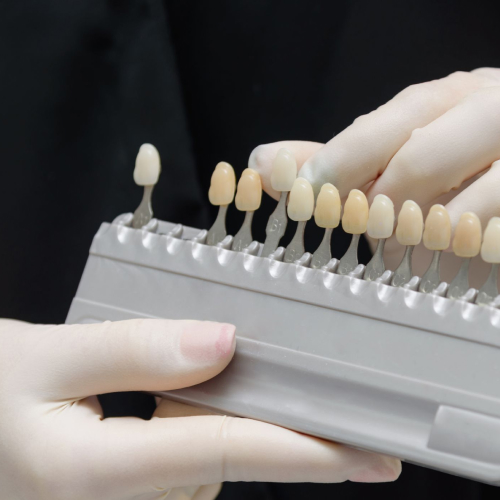
Dental Bonding vs. Veneers vs. Lumineers: What I Actually Recommend
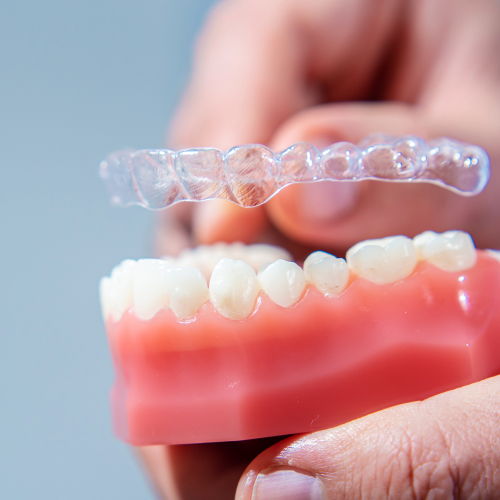
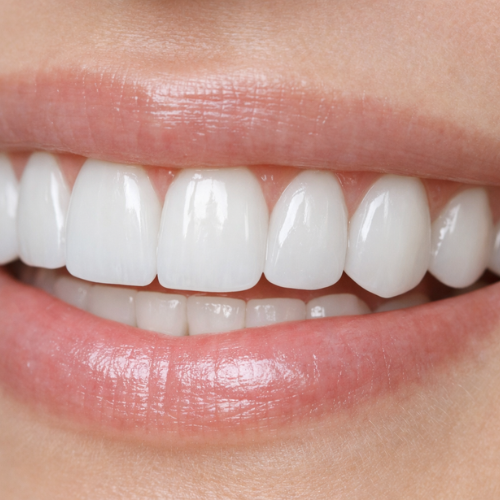
Which is better, bonding or veneers? Compare porcelain veneers to no-prep Lumineers to find your best smile. Book your Bellflower Dental Group consult today!
Read More
It starts small. Maybe you notice a bit of blood when you floss. Or your gums feel tender every now and then. It’s easy to brush off (no pun intended) the early signs of gum trouble. But here’s the thing: what seems minor could be your mouth waving a big red flag.
At Bellflower Dental Group, we see it all the time. Gum disease doesn’t always scream for attention right away. It whispers. And by the time it’s yelling, the damage might already be done. So if you’ve ever wondered whether you’re overreacting or not doing enough, you’re not alone. Let’s talk about the questions we hear most often, and the answers that might just change how you care for your smile.
Gum disease, also called periodontal disease, is a chronic infection of the gums and bone that support your teeth. It’s caused by bacteria that build up in plaque, the sticky film that forms on your teeth every day. If plaque isn't cleaned off regularly through brushing and flossing, it hardens into tartar. That buildup irritates the gums, triggering inflammation and infection.
The earliest stage of gum disease is gingivitis. It’s usually painless, which makes it sneaky. Your gums may look a little red or puffy, and you might see some bleeding when brushing or flossing. If left untreated, gingivitis can progress into periodontitis, where the infection starts destroying the tissue and bone that hold your teeth in place. That’s when things get serious.
What makes it even trickier is that gum disease doesn’t just affect your mouth. Numerous studies link it to other health problems, like heart disease, diabetes, and even pregnancy complications. Your mouth is more connected to the rest of your body than you think.
There’s a reason gum disease is sometimes called a “silent” disease. In its early stages, there might be little to no pain. But your gums often give you clues, they’re just easy to ignore.
Here are some signs that shouldn’t be brushed aside:
If you’re experiencing any of the above, it’s time to get checked. Even if the symptoms seem mild, early detection is everything. The sooner we catch gum disease, the easier it is to treat and even reverse.
And don’t worry, we won’t scold you. Our job isn’t to make you feel guilty, it’s to help you feel better. We’ll examine your gums, measure any pockets around your teeth (which can indicate infection), and recommend the best way forward based on your unique situation.
No, and this is where a lot of people get stuck. Gum disease won’t just clear up if you floss more or brush harder. In fact, brushing too hard can make things worse by damaging your gum tissue.
Gingivitis, the earliest stage of gum disease, can be reversed, but only with professional care and a solid oral hygiene routine. Once it advances to periodontitis, it’s no longer reversible. At that stage, treatment focuses on managing the disease and preventing it from progressing.
That often involves a deep cleaning procedure called scaling and root planing, where we remove plaque and tartar from beneath the gumline and smooth out the root surfaces. This helps the gums reattach to the teeth. In more advanced cases, surgical procedures may be needed to reduce pocket depth or regenerate lost bone.
So while gum disease can’t heal on its own, it can absolutely be treated. But the clock is ticking. The longer you wait, the more complicated (and costly) the fix becomes.
While poor brushing and flossing habits are the biggest culprits, they’re not the only ones. Several other factors can raise your risk:
It’s also worth noting that even people with great oral hygiene can develop gum disease if they’re genetically predisposed or dealing with other risk factors. That’s why routine checkups are so important, even if everything “feels fine.”
Let’s be blunt: untreated gum disease can eventually lead to tooth loss. As the infection spreads, the bone holding your teeth in place starts to break down. Teeth can become loose, shift around, or fall out altogether. That’s not only painful and expensive to fix, but it can also impact your ability to eat, speak, and feel confident about your smile.
And that’s just the dental side of things. Research continues to show that gum disease may increase your risk for other serious health issues, including:
Your mouth is a gateway to your overall health. Taking care of your gums means taking care of your entire body.
Gum disease may be common, but it’s also largely preventable. The basics still matter:
If you’re prone to gum problems, we may recommend more frequent cleanings or special tools (like a water flosser) to keep things in check.
Gum disease might sound like something you can deal with “later,” but the truth is, later often turns into too late. Whether you’re just seeing a little pink in the sink or you’re dealing with more advanced symptoms, the best time to act is now.
At Bellflower Dental Group, we’re here to help, not to judge. We’ll answer your questions, walk you through your options, and create a personalized treatment plan that actually works for your lifestyle. Because you deserve a healthy smile you can feel good about.
Schedule your appointment today and let’s keep your gums (and your whole mouth) in great shape.
Fresh news from the dental world...





Mon - Fri 9AM - 6PM
Saturday 9AM - 3PM
Sunday Closed
Check out what our patients are saying in Bellflower, CA...


“Great customer service!”
Great customer service and attentive staff! My 3 year old enjoyed his visit! Yes, I said he enjoyed it! He had to have X-rays done, and I was so worried that he wasn't gonna be a happy camper but the X-ray tech, Dominique, is so good with kids! The X-rays were fast and painless! Overall a great experience!

“Surpasses my expectations!”
Amazing staff! My experience at Bellflower Dental Group was outstanding. I highly recommend this dental group. I come to them for my braces, their ortho is incredible, the highlight of this dental group. The staff is amazing, their employees are so kind and take the time to perfect your braces.

“I love this dental office!”
I have been coming here for years. It is a one-stop-shop! You can get your x-rays, cleaning, braces, labs, dentures, toothbrushes, and more all right here. The staff is great, and they try to work with you if you need a payment plan. Never had any issues with any of the work done here!
“Great customer service!”
Great customer service and attentive staff! My 3 year old enjoyed his visit! Yes, I said he enjoyed it! He had to have X-rays done, and I was so worried that he wasn't gonna be a happy camper but the X-ray tech, Dominique, is so good with kids! The X-rays were fast and painless! Overall a great experience!
“Surpasses my expectations!”
Amazing staff! My experience at Bellflower Dental Group was outstanding. I highly recommend this dental group. I come to them for my braces, their ortho is incredible, the highlight of this dental group. The staff is amazing, their employees are so kind and take the time to perfect your braces.
Check out our accreditations, sources, and relationships in the wide world of dentistry...


Check us out and follow our Bellflower, CA practice on social media...


