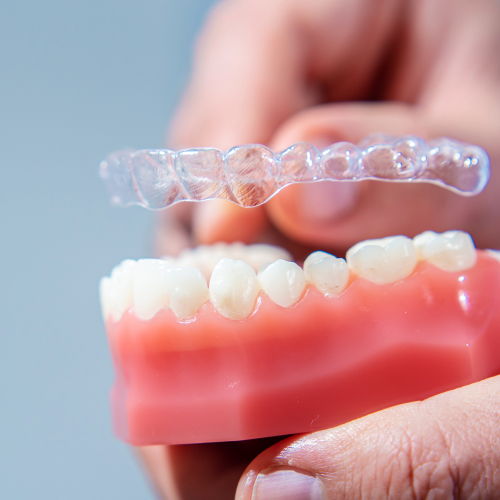
Why Your Invisalign Trays Aren't Fitting Right — and What to Do About It
Struggling with Invisalign gaps or tracking issues in Bellflower? Learn what's normal, what's not, and when refinements may help. Call us today.
Read More
The world of kids' dentistry can often feel like decoding a complex puzzle. As parents, guardians, or caregivers, ensuring your child's dental health is a top priority. This guide aims to demystify some of the most common questions surrounding pediatric dentistry, from when baby teeth should be pulled, to educating children about oral health, and the latest advancements in dental technology for kids.
Understanding when it's appropriate for a dentist to pull baby teeth is a frequent and important concern among parents. Normally, baby teeth fall out on their own, paving the way for the emergence of permanent teeth. However, in certain situations, professional dental intervention becomes necessary for the health and proper development of a child's teeth and mouth.
Overcrowding: One of the primary reasons for extracting baby teeth is overcrowding. In some children, their mouths are too small to accommodate the number of teeth they have. This can result in baby teeth obstructing the path of permanent teeth, leading to misalignment or impaction. If baby teeth are not shedding in time and are causing overcrowding, a dentist may recommend their removal to ensure proper spacing and alignment of permanent teeth.
Decay or Damage: Another significant reason for extraction is when baby teeth suffer from severe decay or damage. This is not uncommon in pediatric dentistry, especially if dental hygiene has been less than ideal. When a tooth is badly decayed or damaged, it can cause pain and discomfort to the child. More importantly, the decay can spread to adjacent teeth or even to the emerging permanent teeth beneath. In such cases, to prevent further oral health complications, dentists may decide to remove these teeth.
Orthodontic Reasons: Orthodontic interventions are another factor leading to the extraction of baby teeth. Sometimes, a baby tooth may not fall out when it should, disrupting the alignment of emerging permanent teeth. In other cases, removing a baby tooth can provide the necessary space for an orthodontic appliance to correct the alignment of other teeth. This preemptive measure can significantly reduce the complexity and duration of orthodontic treatment later on.
Prevention of Future Problems: Dentists also consider the future trajectory of dental development. In some cases, removing a baby tooth early can prevent more serious dental issues in the future. This is a proactive approach, ensuring that permanent teeth have the space and environment they need to emerge correctly.
Retention Beyond Expected Age: Occasionally, a child’s baby teeth might be retained longer than usual. This delayed shedding can impede the eruption of permanent teeth. If a baby tooth remains in place well beyond the expected age for it to fall out, a dentist might recommend extraction to allow the proper eruption of the permanent tooth.
It's crucial to have regular dental check-ups for your child so that a pediatric dentist can monitor their dental development. They can identify any of these issues early on and recommend the best course of action, ensuring your child's oral health is on the right track. Remember, every child’s dental needs are unique, and professional guidance is key to addressing them appropriately.
Educating children about the importance of oral health is crucial and can be a delightful journey for both you and your child. Instilling good dental habits from an early age not only promotes a healthy smile but also ingrains lifelong health practices. Here are some innovative and effective ways to teach your children about oral health:
Interactive Storytelling: Children love stories, and what better way to teach them about oral health than through engaging tales? Use characters and narratives that highlight the adventures of brushing and flossing. You can create stories where superheroes fight the evil cavities or where magical creatures reward children for their healthy teeth. This approach not only makes learning fun but also helps children understand the consequences of poor dental hygiene in a non-threatening way.
Brushing Together: Lead by example. When children see their parents or siblings practicing good dental hygiene, they are more likely to follow suit. Make brushing and flossing a family event. This not only teaches them the correct techniques but also establishes it as a normal part of daily life. You can even turn it into a bonding time, with songs and games related to brushing.
Reward Systems: Positive reinforcement can be highly effective with children. Implement a reward chart where they get a sticker for every day they brush and floss properly. Once they accumulate a certain number of stickers, they can be rewarded with a small treat or privilege. This system not only motivates them but also helps track their progress.
Educational Games and Apps: In this digital age, kids are tech-savvy from a very young age. Capitalize on this by introducing them to educational apps and games that focus on dental care. These interactive tools can teach them about the different teeth, the importance of dental care, and proper brushing techniques in a way that’s engaging and understandable for their age group.
Hands-On Demonstrations: Sometimes, showing is better than telling. Use dental models or even their own toothbrush and demonstrate the correct way to brush and floss. You can also use disclosing tablets, which color the plaque on the teeth, to show areas they might be missing during their routine.
Regular Dental Visits: Familiarizing your child with the dentist's office from an early age can alleviate fear and anxiety associated with dental visits. Regular check-ups not only ensure their dental health is on track but also build a relationship of trust with the dentist. During these visits, the dentist can also reinforce the importance of oral hygiene in a professional and authoritative manner.
Fun Toothbrushes and Flavored Toothpaste: Kids are more likely to enjoy brushing when they have fun tools. Let them pick out their own toothbrushes—there are many with popular cartoon characters or in bright colors. Similarly, flavored toothpaste can make the experience more enjoyable.
Oral Health Education in School: Encourage your child’s school to include oral health education in their curriculum. This can include visits from dentists who can provide interactive sessions, teaching kids about dental care in a group setting, which can be both informative and fun.
Remember, the goal is to make dental care a positive, engaging, and regular part of their daily routine. By taking these steps, you are setting your child up for a lifetime of healthy smiles and good oral hygiene habits.
Pediatric dentistry is continually evolving, with new technologies making dental care more efficient, comfortable, and less intimidating for children. Some of the latest advancements include:
Laser Dentistry: Used for treatments like cavity preparation and gum reshaping, laser dentistry is less invasive and often pain-free.
Digital X-rays: Safer and faster than traditional X-rays, they use less radiation and provide clearer images.
Intraoral Cameras: These small cameras allow dentists and patients to see inside the mouth in real time, making it easier to understand and diagnose issues.
Virtual Reality (VR): Some clinics use VR headsets to distract and relax children during procedures.
Embracing these technologies, pediatric dentists can provide better care and a more pleasant experience for young patients.
Every child deserves a bright, healthy smile. At our dental office, we're committed to providing the best care for your little ones in a friendly and comforting environment. Whether it's time for a routine check-up, a question about oral health education, or to experience the latest in dental technology, we're here for your family's dental needs.
Don't wait to give your child the gift of a healthy smile. Contact us today to schedule an appointment and let us be a part of your child's journey to lifelong dental health and happiness.
Fresh news from the dental world...




Mon - Fri 9AM - 6PM
Saturday 9AM - 3PM
Sunday Closed
Check out what our patients are saying in Bellflower, CA...


“Great customer service!”
Great customer service and attentive staff! My 3 year old enjoyed his visit! Yes, I said he enjoyed it! He had to have X-rays done, and I was so worried that he wasn't gonna be a happy camper but the X-ray tech, Dominique, is so good with kids! The X-rays were fast and painless! Overall a great experience!

“Surpasses my expectations!”
Amazing staff! My experience at Bellflower Dental Group was outstanding. I highly recommend this dental group. I come to them for my braces, their ortho is incredible, the highlight of this dental group. The staff is amazing, their employees are so kind and take the time to perfect your braces.

“I love this dental office!”
I have been coming here for years. It is a one-stop-shop! You can get your x-rays, cleaning, braces, labs, dentures, toothbrushes, and more all right here. The staff is great, and they try to work with you if you need a payment plan. Never had any issues with any of the work done here!
“Great customer service!”
Great customer service and attentive staff! My 3 year old enjoyed his visit! Yes, I said he enjoyed it! He had to have X-rays done, and I was so worried that he wasn't gonna be a happy camper but the X-ray tech, Dominique, is so good with kids! The X-rays were fast and painless! Overall a great experience!
“Surpasses my expectations!”
Amazing staff! My experience at Bellflower Dental Group was outstanding. I highly recommend this dental group. I come to them for my braces, their ortho is incredible, the highlight of this dental group. The staff is amazing, their employees are so kind and take the time to perfect your braces.
Check out our accreditations, sources, and relationships in the wide world of dentistry...


Check us out and follow our Bellflower, CA practice on social media...


