When it comes to oral health, the term "oral surgery" can be daunting. But it doesn't have to be! We're here to answer your frequently asked questions and provide some peace of mind.
What Does an Oral Surgeon Do?
Oral surgeons are essentially the superheroes of the dental world, trained to handle complex procedures that are outside the scope of general dentistry. Think of them as the "special forces" of oral health.
One of their most common roles is performing wisdom teeth extraction. Wisdom teeth, the last set of molars that typically emerge during late adolescence or early adulthood, often cause problems due to lack of space in the mouth. These issues range from impaction (where the tooth doesn't have enough room to break through the gums) to the tooth growing at the wrong angle. Oral surgeons are expertly trained to handle these tricky extractions, reducing potential complications and ensuring the rest of your teeth stay in their rightful places.
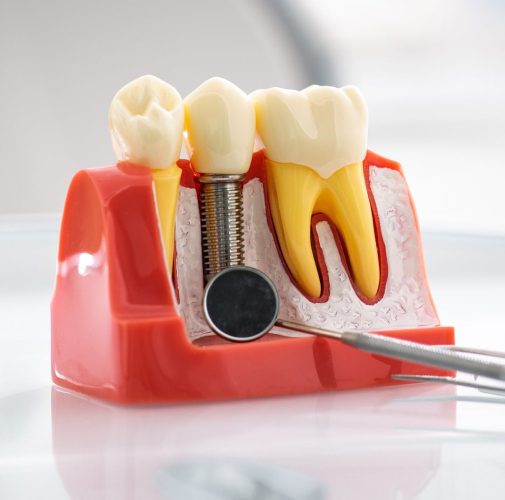
Another area of expertise for oral surgeons is dental implants. For individuals missing one or more teeth, dental implants offer a long-lasting and aesthetically pleasing solution. The procedure involves inserting a metal post into the jawbone, which acts as a sturdy anchor for a replacement tooth. This is a delicate procedure that requires precision and knowledge of both aesthetics and function, making it a perfect job for an oral surgeon.
Next on the list are jaw-related issues. Whether it's temporomandibular joint (TMJ) disorders that affect jaw movement and cause pain, or orthognathic surgery (corrective jaw surgery) to address misaligned jaws, oral surgeons use their comprehensive understanding of the facial anatomy to correct these complex issues and improve patients' quality of life.
Additionally, oral surgeons play a crucial role in diagnosing and treating oral diseases and injuries. From oral cancer to gum disease, from facial trauma to congenital defects like cleft palate, these specialists provide both surgical and non-surgical treatment options. They not only focus on treating the problem but also on reconstructive procedures to restore functionality and appearance.
Moving beyond the dentist's chair, the reach of an oral surgeon extends into the wider healthcare arena. They often collaborate with other healthcare professionals. For instance, they might work closely with orthodontists to prepare a patient for braces by extracting teeth or exposing impacted teeth. They also work with oncologists to manage oral complications associated with cancer and its treatment, such as mouth sores or jawbone damage.
In some cases, oral surgeons are also involved in cosmetic facial surgery. They can perform a variety of procedures, including rhinoplasty (nose jobs), blepharoplasty (eyelid surgery), and even Botox injections. Their deep understanding of the intricacies of facial anatomy makes them well-suited for these tasks.
In essence, an oral surgeon wears many hats and their goal is, quite simply, to keep your mouth and overall facial structure in top shape. They go beyond routine dental care and delve into complex conditions, taking a multidisciplinary approach to ensure the best outcomes for their patients. So, next time you hear the term 'oral surgeon', remember, they're the superheroes who have your back (or rather, your mouth) in all things related to oral and facial health.
Is Oral Surgery Painful?
It's a common misconception that oral surgery is synonymous with discomfort, but we're here to dispel this myth.
While the nature and intensity of discomfort can vary based on the specific procedure and the individual's tolerance, oral surgeons are skilled at ensuring that patients are as comfortable as possible during and after the procedure. With the advent of modern technology and advancements in the field of anesthetics, most procedures are performed painlessly.
Before the procedure, the surgeon will explain the type of anesthesia you'll be receiving – whether local, sedation, or general – each designed to alleviate pain and anxiety. Post-operation, you'll be prescribed medications to manage any residual discomfort and swelling.
So, to answer the question: oral surgery does not have to be painful. Your surgeon's priority is your comfort and safety, and they'll work closely with you to make sure your experience is as pain-free as possible.
How Long Does It Take to Recover from Oral Surgery?
Recovery time from oral surgery varies depending on the complexity of the procedure and individual healing responses.
Recovery time from oral surgery is indeed a variable entity. It depends on a combination of factors including the complexity of the procedure, individual healing responses, and the overall health status of the patient. For minor procedures such as simple tooth extractions, you may find yourself back to normal within a few days. Some swelling, discomfort, and minor bleeding can be expected immediately after the procedure, but these usually subside quickly with proper care and medication.
However, for more complex procedures like jaw surgery or dental implants, recovery can be more extensive. The first few days post-surgery, you might experience some level of discomfort, swelling, and minimal bleeding. It's crucial during this time to follow your surgeon's guidelines on managing these symptoms. These guidelines might include using ice packs to reduce swelling, keeping your head elevated, and taking prescribed medications.
Typically, in the first week post-surgery, you'll be on a soft food or liquid diet to avoid irritating the surgical site and to promote healing. You'll also be advised to maintain rigorous oral hygiene (with some specific modifications to normal brushing and flossing), and limit physical activity. As the weeks progress, you'll gradually transition back to your regular diet and routine, following the guidelines provided by your oral surgeon.
It's important to remember that these timelines are not set in stone. Healing is a process that looks different for everyone. Factors like age, overall health, the complexity of the surgery, and how closely post-operative instructions are followed can all impact recovery time.
Along the recovery journey, your oral surgeon will be your best guide. They will provide a detailed recovery plan tailored to your specific needs and procedure. This plan often includes instructions on managing swelling, pain, and bleeding, maintaining proper nutrition, oral hygiene guidelines, and indications on when to resume normal activities.
A crucial part of a smooth recovery process is maintaining open communication with your oral surgeon. Do not hesitate to reach out if you notice anything unusual or if your discomfort escalates. It’s always better to address potential complications early than to wait and see.
In Conclusion
Oral surgery may seem intimidating, but armed with the right knowledge and a skilled oral surgeon, it doesn't have to be a source of fear. Now that we've answered some of your most pressing questions, we hope you feel more confident about any upcoming procedures.
Oral health is a crucial part of your overall well-being. Don't let fear stand in the way of achieving the best oral health possible. Remember, our oral surgeons are here to help – their main goal is to ensure your smile stays strong and healthy for years to come. So schedule your consultation with us today!